
ONE-TRACK MOTORIZED SCREEN
Why One-Track

ONE-TRACK PROVEN DEPENDABILITY
Engineered For Excellence
One-Track introduced the patented quiet spring technology, the core of our One-Track system, nearly a decade ago.
We’ve crafted the perfect self-adjusting screen system that operates beautifully silently when deployed, ensures frustration-free operation, and can be used in almost any weather condition.
While others have experimented with alternative methods to achieve the advantages of our One-Track screens, none have achieved the unique combination of near-silence, ease of operation, affordability, high reliability, and exceptional dependability.
The real problem with most motorized screens
Most motorized screens fail for predictable reasons. Zippers snag. Cables stretch. Tracks shift. Motors strain.
What starts as a premium upgrade quickly turns into:
Screens that jam or tangle
Gaps that let bugs and wind in
Constant service calls and repairs
You shouldn't have to "babysit" your outdoor upgrade.
That's exactly why One-Track was built differently.
ONE-TRACK THE #1 MOTORIZED INSECT AND SHADE SCREEN
Contact A+ Certified One-Track Screen Dealer Today...
ONE-TRACK MOTORIZED SCREENS
Engineering Features
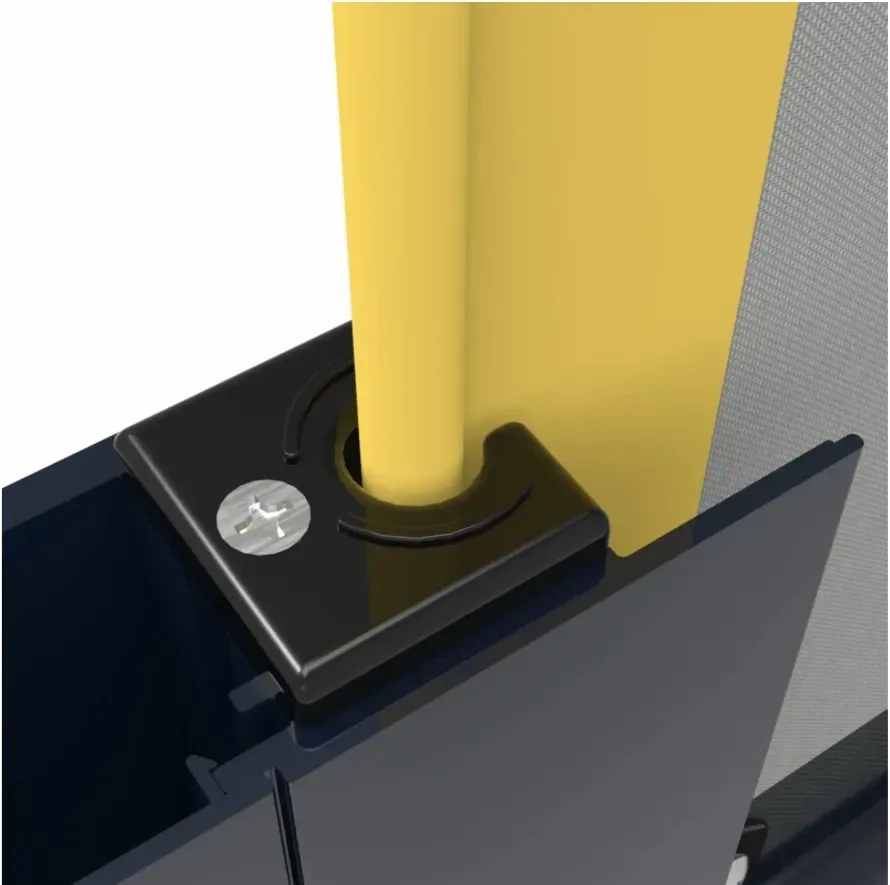
No blowouts. No rewraps. No frustration.
One-Track is the only retractable screen system on the market designed to stay locked in the track—even in high winds. Smart motor senses resistance and adjusts seamlessly, allowing self-correction when the screen encounters an obstacle: Fewer snags, fewer jams, and fewer costly service calls.
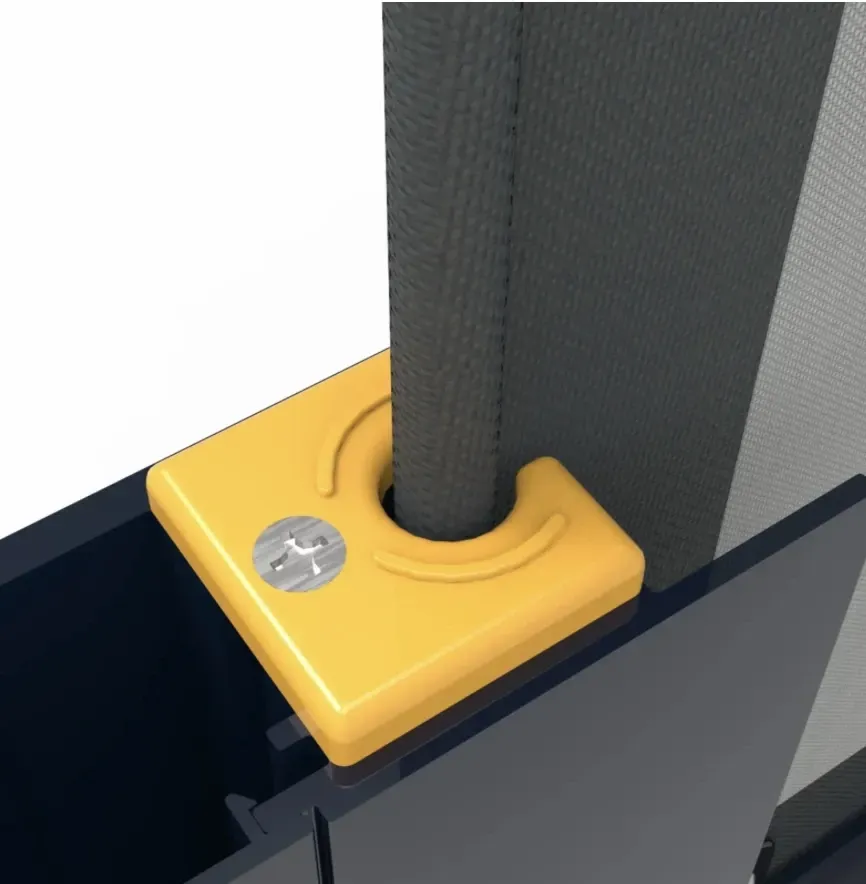
No Zipper. No Cable. Just Simple Deployment
One-Track pioneered Keder-edge technology in motorized screens, delivering unmatched durability and simplicity. Borrowed from sailboat rigging, this system eliminates zippers, cables, and exposed hardware—ensuring smooth, reliable operation every time.
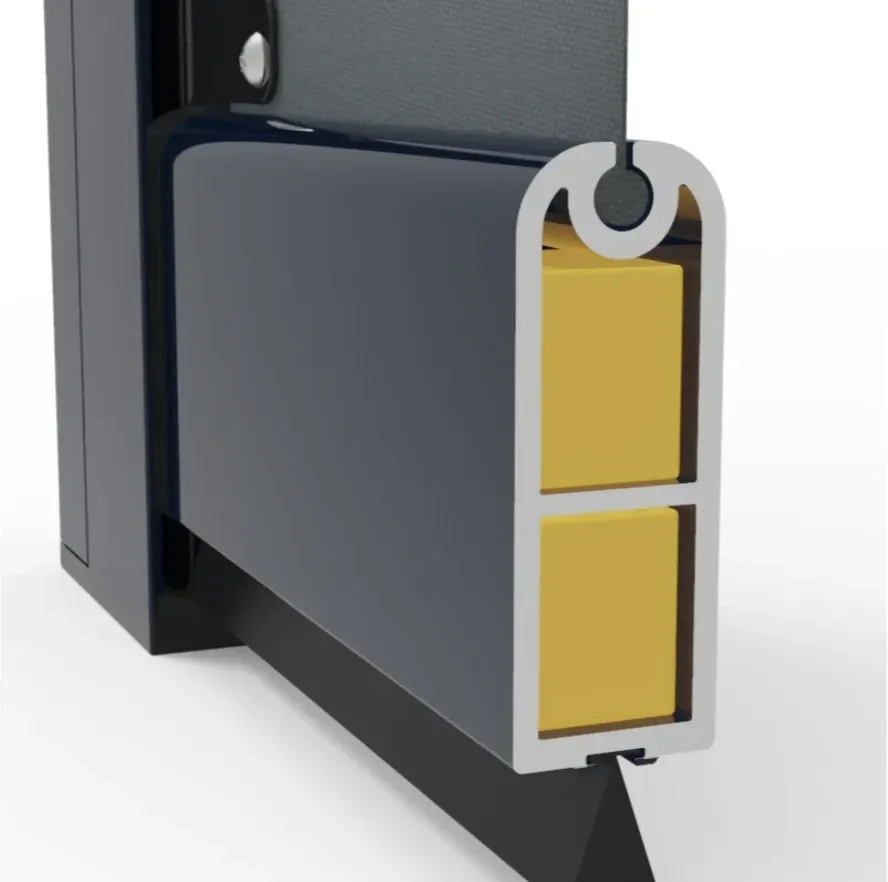
Heavy Duty
The One-Track weight bar is engineered for strength—and built to hold its ground. Pound for pound, it’s the heaviest and most robust weight bar in the industry. This ensures proper screen tension, flawless deployment, and maximum stability in high wind —limited flex, no failure.
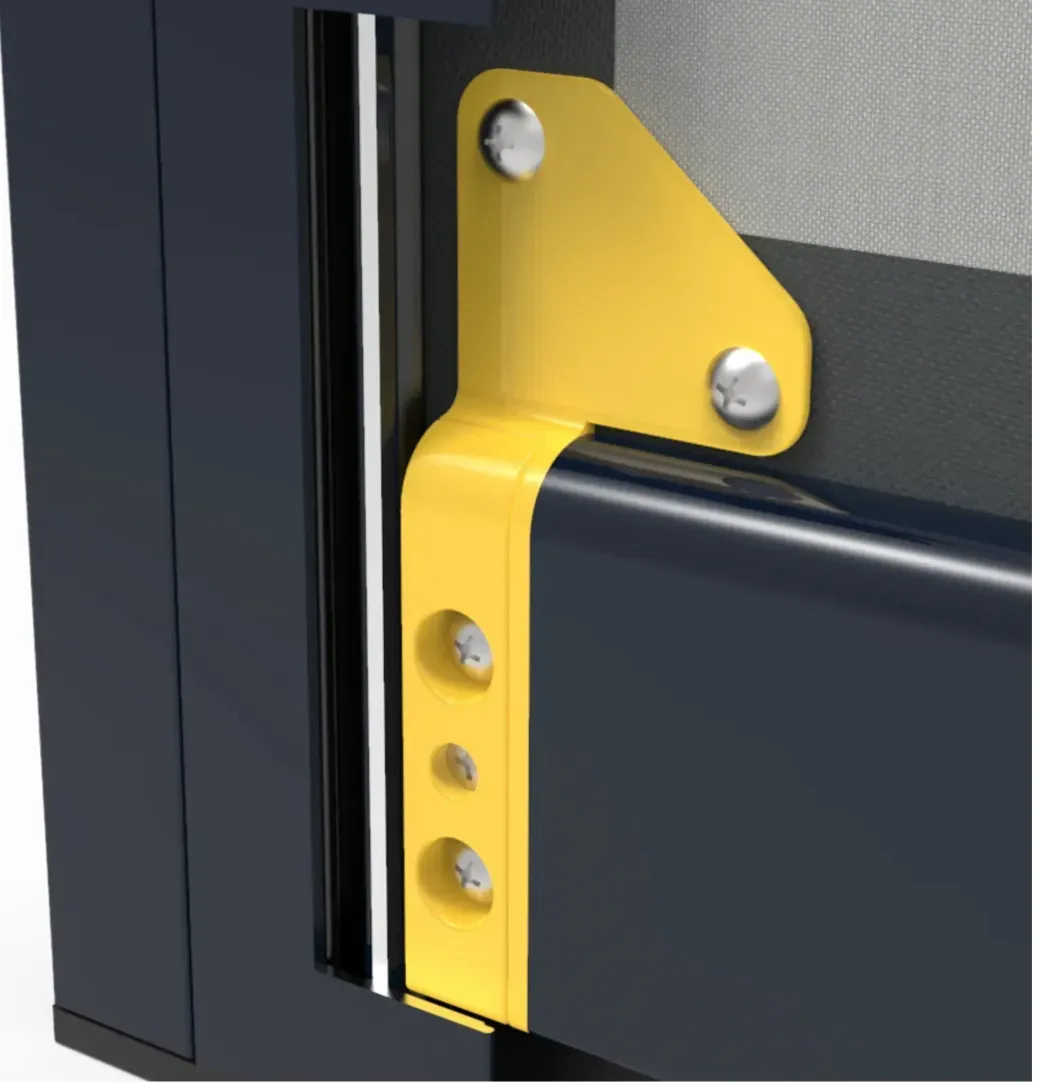
Reinforced Corners
One-Track’s heavy-duty weight bar isn’t just strong. It’s smart. Reinforced corners and integrated tie-ins create a unified structure that acts like a solid wall of protection when deployed. Made from high-strength nylon, this bar absorbs impacts while maintaining structural integrity.

HEADACHE-FREE
Exclusive self-tensioning system eliminates 99.9% of screen issues. No track adjustments, broken zippers,or dislodged screens.

LIFETIME WARRANTY
No other company can stand behind their products like One-Track can because no other company can match our quality.

CUSTOM-MADE SCREENS
Tailor-made screens with vast color, fabric, and system options. Custom paint color and fabric matching are available.

BUILT TO LAST
We use marine-grade materials such as powder-coated aluminum, UV-protected nylons, stainless steel fasteners, and premium fabrics. Resists corrosion, rust, and screen failure.

COST-SAVING
Exterior shade screens reduce cooling bills and protect against skin and furniture Damage caused by excessive UV Rays.

SMART CONTROLS
Control One-Track screens via remote and phone or integrate with popular home automation systems for advanced capabilities.

MAX CORROSION PROTECTION
Powder Coated Aluminum Protects your investment from exposure and corrosion.

HEAVY-DUTY DESIGN
Our screens are designed to withstand Mother Nature's daily abuse. High wind, rain, or shine, dust dirt, dander, it doesn't matter. One-Track covers it all.
ONE-TRACK THE #1 MOTORIZED INSECT AND SHADE SCREEN
Contact A+ Certified One-Track Screen Dealer Today...
ONE-TRACK
Ready For Life's Storms
LOCK TIGHT - KEDER TECHNOLOGY
Good bye Zipper Track System
When others relied on outdated zipper systems, One-Track pioneered a breakthrough. Our Lock Tight Keder technology transformed the industry by delivering what zippers couldn't: unmatched strength, flawless operation, and built-to-last reliability.
Years of proven performance speak for themselves. Lock Tight Keder provides superior wind resistance, effortless functionality, and the durability you need for long-term peace of mind.
Lock Tight Side Retention
Prevent Screen Hangups
Prevent Jams
Prevent Snaggs
Prevent Rewraps
ONE-TRACK THE #1 MOTORIZED MOTORIZED INSECT AND SHADE SCREEN
Contact A+ Certified One-Track Screen Dealer Today...
THE ONE-TRACK DIFFERENCE
Eliminates All Services Call, Fix Track and Zippers Systems
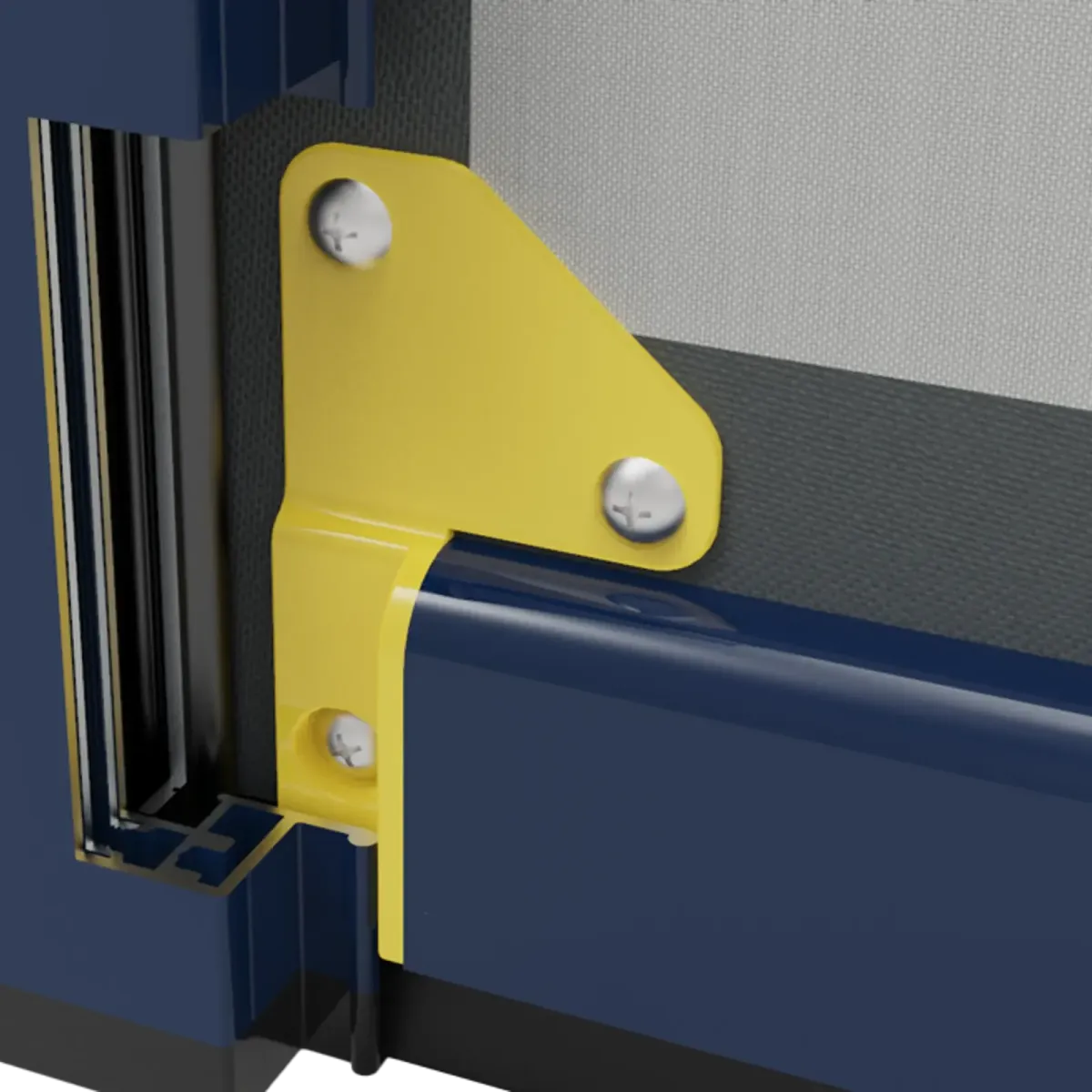
Recognizing that screen wear is most prominent at the corner where the weight bar and screen meet, One-Track engineers designed a robust and flexible guide made of toughened nylon. This innovative design reinforces the corner connection, extending the screen's lifespan,
.
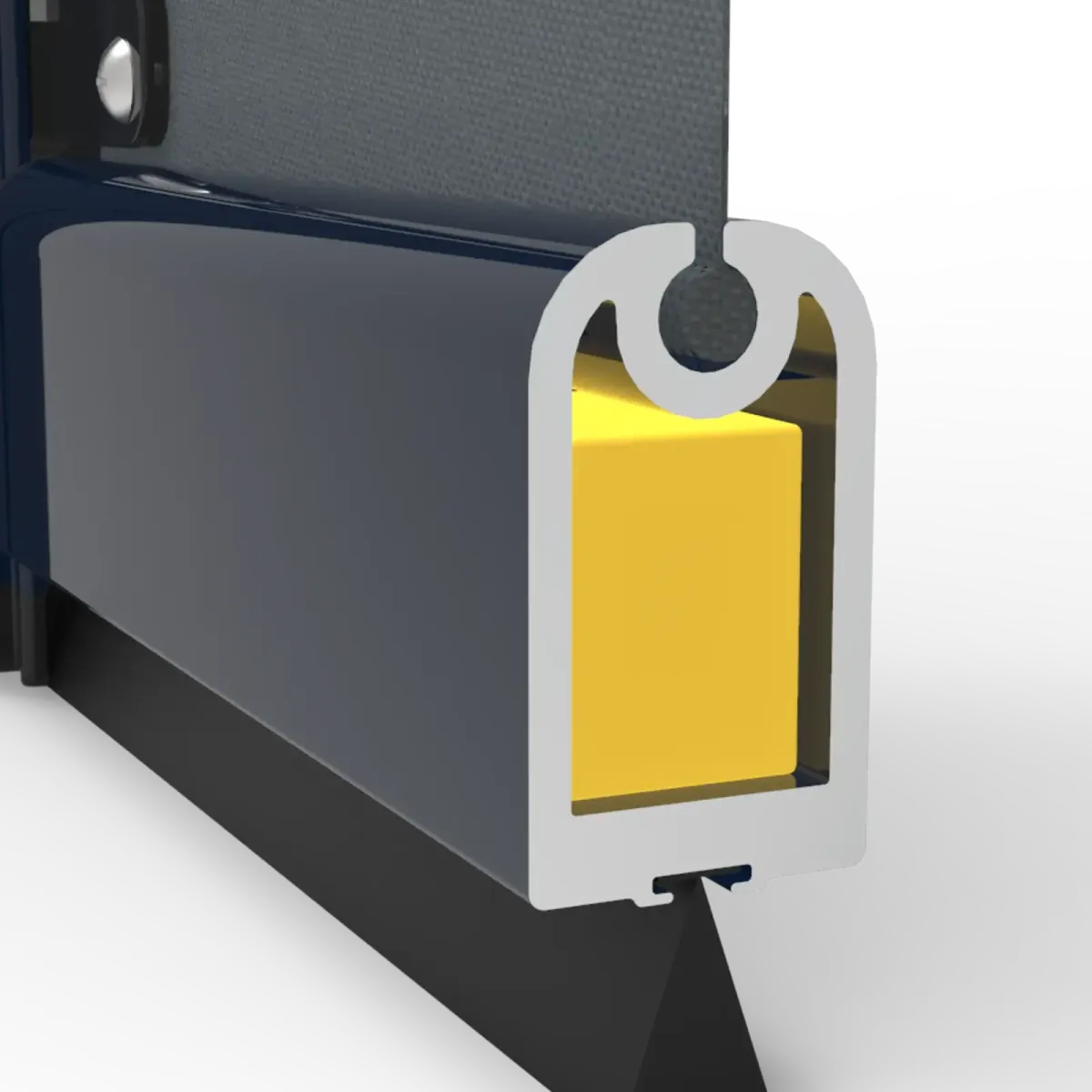
One-Track offers a well-engineered, low-profile standard weight bar suitable for installations in low-wind areas. When rolled up, it minimizes visibility in storage. For locations with higher wind exposure, a heavier-weight bar can be specified as needed.
.
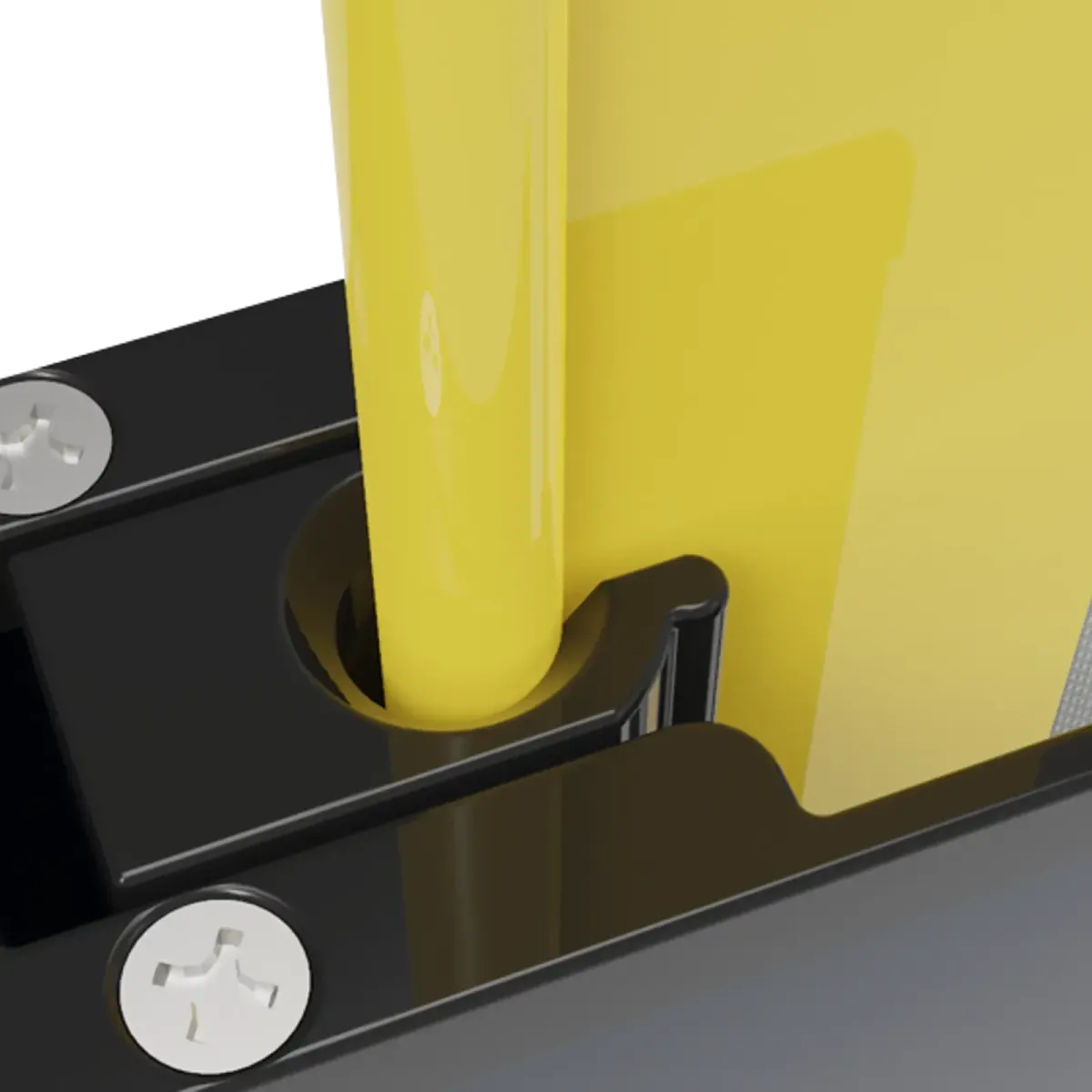
One-Track as the first to employ keder-edged screens, opted against zippers, known for potential issues. Keder's smooth, durable design avoids past failures.
.
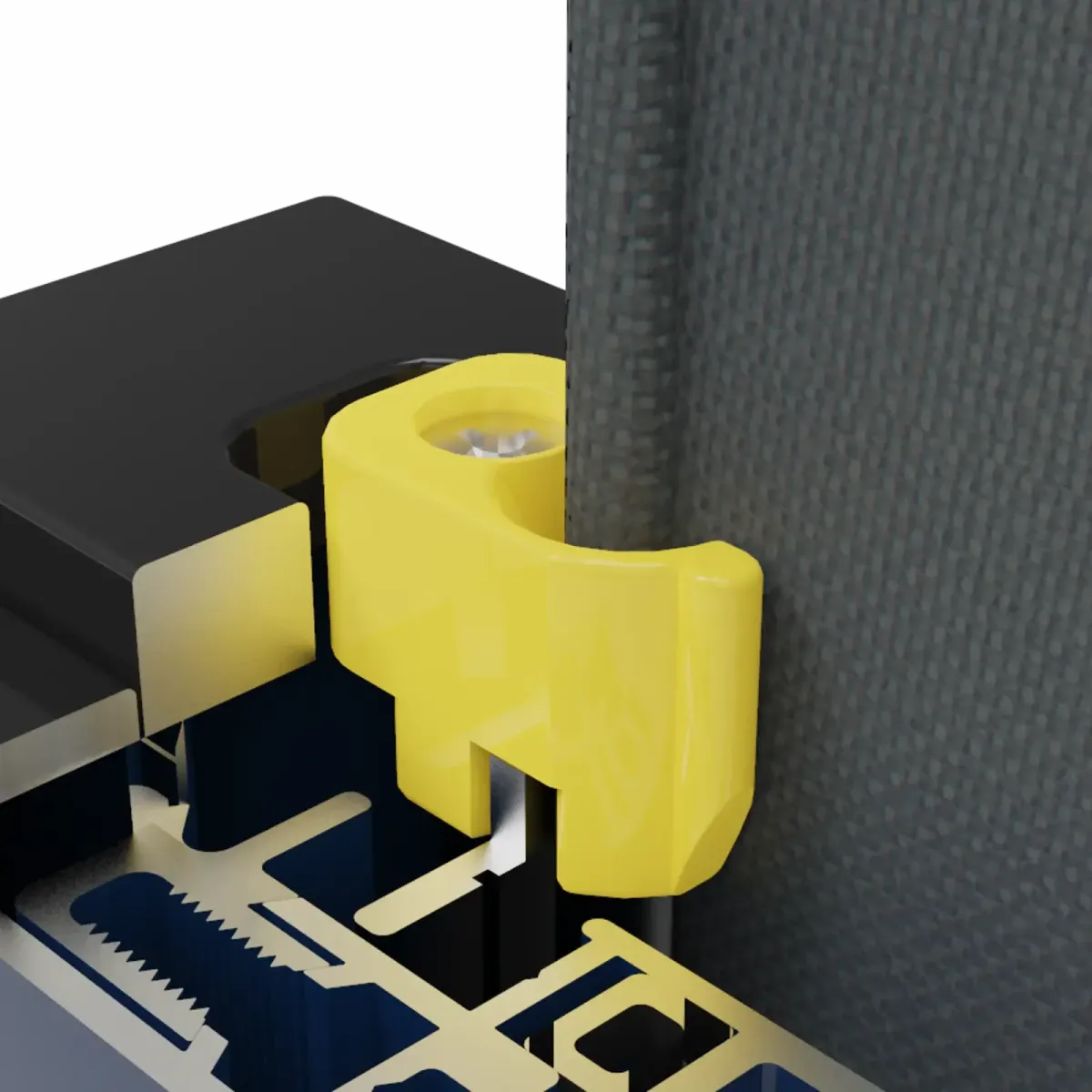
One-Track retractable screens are designed to never come out of their tracks. The screen pre-feeder facilitates a smooth transition from the reel to the side track. Smart motors instantly halt the downward motion of the screen, preventing it from dislodging from the tracks.
.
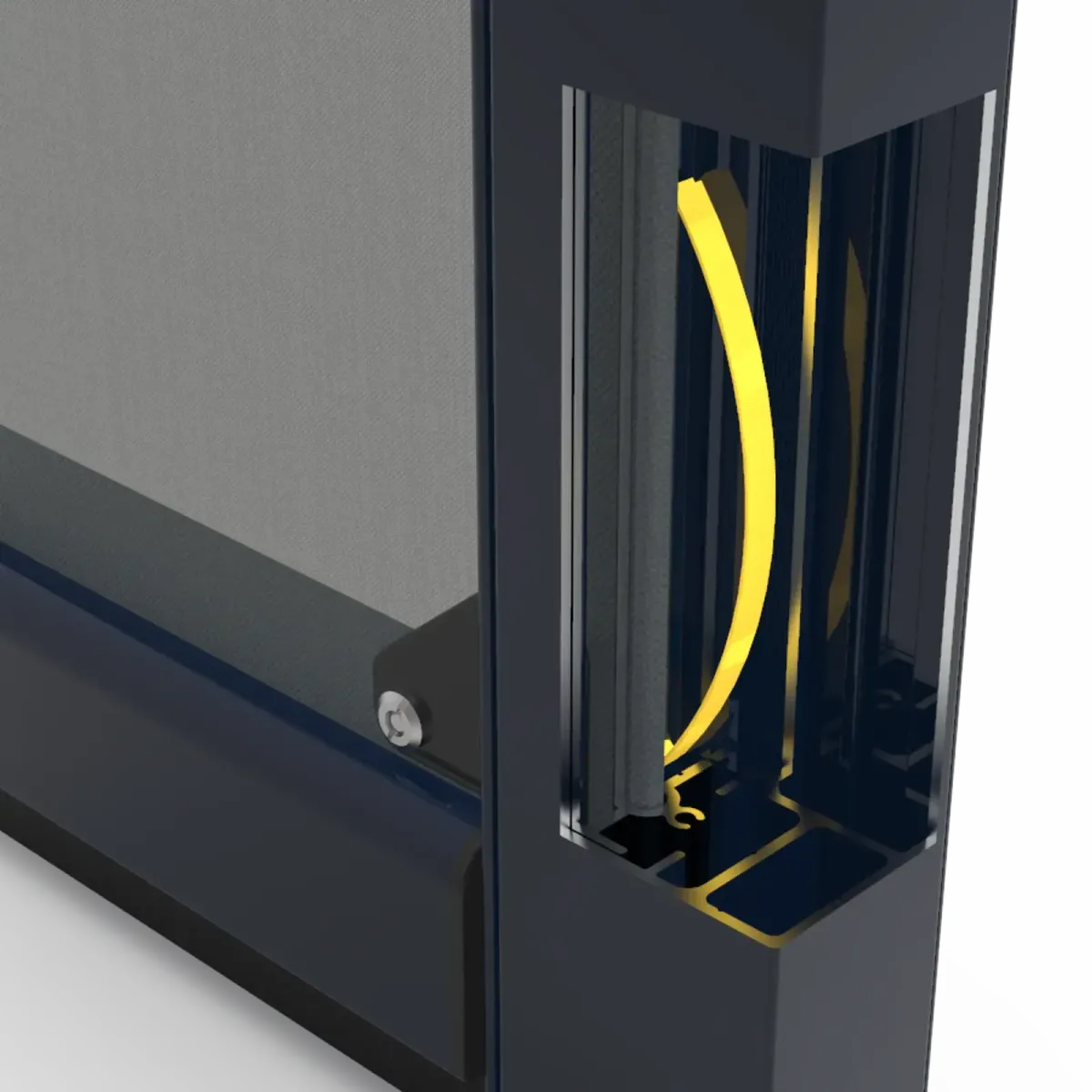
One-Track employs a unique spring-based tensioning system that ensures nearly silent operation of the screens. This technology prioritizes a quiet and comfortable outdoor experience. Think of it like shock absorbers in a car - It's the springs that give you a quiet, comfortable ride.
.
ONE-TRACK THE #1 MOTORIZED INSECT AND SHADE SCREENS
Contact A+ Certified One-Track Screen Dealer Today...
THE ONE-TRACK DIFFERENCE
One-Track Screen
AMERICAN INGENUITY
Made in the USA.
Proudly Made in the USA—every One-Track screen is built with American strength, precision, and pride. From the smallest components to the final assembly, our materials are sourced and manufactured right here in the United States. No outsourcing. No compromises. Just hardworking Americans protecting American homes with the toughest screen system on the market.
THE INSTALLATION WINDOW
"From Consultation to Completion: The Real Timeline Nobody Shares"
Here's what most websites won't tell you: from the moment you say "yes" to the moment your screens actually work, there's a timeline. And that timeline has nothing to do with how much you want it to happen faster.
Measurements. Manufacturing. Shipping. Scheduling. Installation. Fine-tuning.
Each step takes time. Not because anyone is slow, not because the process is inefficient, but because quality takes what it takes. Custom products require custom processes. Precision requires patience. And the screens that will protect your outdoor space for the next decade deserve more than a rushed job because someone didn't understand the calendar.
The homeowners who end up frustrated aren't the ones who waited too long to start. They're the ones who didn't know how long the process actually takes — who assumed "ready by summer" meant they could call in May.
Understanding the timeline changes everything. It transforms unrealistic expectations into realistic plans. It turns frustration into preparation. It separates the homeowners who enjoy their summer from the ones who spend it learning hard lessons about lead times.
This is the installation window. Know it well.
The Consultation Phase
Every One-Track installation begins with understanding.
A dealer visits your space — not a quick drive-by, but a thorough assessment. They measure. They observe. They ask questions about how you use the space, what you want the screens to accomplish, what concerns you've had with outdoor living.
First step, first decisions, first progress.
This isn't paperwork. This is foundation-building. The measurements taken during consultation become the specifications for your custom screens. The conversation about usage patterns shapes the recommendations for screen types and features. The questions you ask — and the answers you receive — determine whether the final installation matches your actual needs or just approximates them.
The consultation phase typically takes one to two weeks from initial contact to completed assessment. That timeline varies by dealer availability, which brings us back to the Great Defrost advantage: dealers have more time in February than they do in June. The February consultation gets ninety minutes. The June consultation, if you can schedule one at all, gets whatever time is available between the other consultations filling every slot.
What happens during consultation sets the trajectory for everything that follows. Rushed consultations produce rushed specifications. Rushed specifications produce results that might not quite fit — screens that work, but perhaps not as well as they could have. Thorough consultations produce thorough specifications. Thorough specifications produce results that match exactly what you wanted.
The time you invest here pays dividends throughout the process.
Find a One-Track dealer and schedule your consultation →
Manufacturing Realities
One-Track screens aren't pulled from a warehouse shelf. They're built for you — your measurements, your specifications, your configuration.
This matters. It's the difference between a generic solution that approximately fits and a precision solution that exactly fits. But precision manufacturing requires time.
Built for you. Measured for you. Manufactured for you.
After consultation, your specifications go to production. The frame gets cut to your dimensions. The screen material gets prepared for your configuration. The motor and track systems get assembled for your specific setup. This isn't like ordering something from a website and waiting for it to ship from inventory. This is made-to-order manufacturing that doesn't start until your order is placed.
Manufacturing lead times typically run two to four weeks, depending on complexity and current production volume. During peak season, when everyone who waited until May places orders simultaneously, lead times extend. During the off-season, when early planners place orders, lead times compress.
This is where the Great Defrost advantage compounds. Early orders enter production when capacity is available. Late orders enter production when capacity is strained. Same manufacturing process. Different timing. Different lead times.
The homeowners who understand manufacturing realities don't get frustrated by them. They plan around them. They place orders early enough that production happens during the efficient season rather than the compressed season.
Learn why One-Track's manufacturing process produces superior results →
The Installation Day(s)
Your screens arrive. Now they need to become part of your home.
Professional installation isn't just bolting hardware to your patio structure. It's ensuring alignment, testing operation, integrating with your home systems, and confirming that everything works exactly as intended. The installation team that arrives at your home represents the culmination of everything that came before — consultation, specification, manufacturing — and determines whether that preparation translates into daily satisfaction.
Installation takes anywhere from half a day to several days, depending on scope. A single screen on a simple structure might install in hours. A comprehensive system with multiple screens, smart home integration, and complex mounting requirements might take two or three days.
Precise installation. Thorough testing. Complete integration.
What doesn't vary is the importance of doing it right. Screens that install correctly operate reliably for years. Screens that install carelessly develop problems — alignment issues, operational quirks, premature wear. The installation phase deserves the same attention as every other phase.
Scheduling installation involves coordinating your availability, the installation team's schedule, and reasonable weather conditions. This coordination takes time, which is why early planning matters. The homeowner who scheduled in February has installation slots available throughout spring. The homeowner who scheduled in June takes whatever slot opens up — potentially weeks or months after ordering.
Counting Backward From Summer
Let's do the math.
Memorial Day weekend typically falls in late May. Many homeowners consider this the unofficial start of outdoor season — the first long weekend when weather reliably cooperates and gatherings feel natural. If your goal is "ready by Memorial Day," what does the timeline look like?
Work backward from Memorial Day. Each step has duration. Each step connects to the next.
Installation needs to happen by mid-May to allow for any fine-tuning before the holiday weekend. Backing up from there: manufacturing needs two to four weeks before installation, so orders should place by mid-April. Before ordering, consultation needs to happen — another one to two weeks, placing that conversation in early April at the latest.
Early April consultation. Mid-April order. Mid-May installation. Memorial Day on the patio.
That's the minimum timeline for a smooth process. It assumes no delays, no complications, no scheduling conflicts. It assumes dealer availability for consultation, production availability for manufacturing, and installation availability for your preferred dates.
Now add reality. Maybe the first consultation slot isn't until the week after you call. Maybe production runs a few days longer than projected. Maybe the installation team has a conflict with your original date. Each variable adds time.
The homeowner who starts in February builds buffer into every phase. The homeowner who starts in May discovers that buffer doesn't exist — that every day of delay pushes the timeline further past the summer they hoped to enjoy.
Understanding the timeline isn't pessimism. It's planning. It's recognizing that complex projects have complex schedules, and that the best outcomes come from working with those schedules rather than against them.
The Buffer Factor
Things happen.
Weather delays installation days. Manufacturing encounters a materials issue. The dealer's schedule shifts because another project ran long. Your own calendar creates conflicts you didn't anticipate.
None of these problems are anyone's fault. They're just reality — the friction that exists in any complex process involving multiple parties, multiple steps, and multiple variables.
Start early. Build margin. Breathe easy.
The homeowner who starts early absorbs these bumps. A week's delay in manufacturing doesn't matter when there's a month of buffer before the target date. A scheduling conflict with the installation team becomes a minor adjustment rather than a major crisis.
The homeowner who starts late has no margin. Every delay cascades. Every complication becomes critical. The stress level rises with each passing week as the summer that was supposed to be ready slips further away.
Buffer isn't wasted time. Buffer is insurance. It's the difference between a smooth process and a stressful one. Between confident planning and anxious hoping. Between enjoying your summer and surviving your installation timeline.
The Great Defrost creates buffer. Starting in February when you want to be ready in May means eight to twelve weeks of margin. That margin absorbs problems without creating panic. It allows for thoughtful decisions even when unexpected questions arise. It transforms the installation process from a race against the clock into a measured progression toward a clear goal.
Build in the buffer. You'll be grateful you did.
Smart home integration adds another layer — start exploring the options →
The View from the Other Side
The screens are installed. The system works. The first warm day arrives, and you're ready — not because you got lucky, but because you understood the timeline and worked with it.
Every step complete. Every phase handled. Every challenge absorbed by the margin you built.
The consultation happened when dealers had time to give it proper attention. The order placed when manufacturing had capacity to produce it efficiently. The installation scheduled when good slots were available. The buffer absorbed the minor complications that arise in any project.
You're standing on your patio, screens deployed, wondering why anyone does this any other way.
The homeowner next door is just now learning about lead times. They're making calls, leaving voicemails, discovering that "ready by summer" requires more than wanting it to be so. They're about to have the conversation with the dealer that goes "We're booking into August now."
You're hosting.
The installation timeline isn't a secret. The information is available to anyone who looks for it. But looking requires overcoming the assumption that "whenever I'm ready" equals "whenever it can happen." The timeline has its own reality, indifferent to hopes and assumptions.
Understanding that reality — and planning around it — separates the homeowners enjoying their summer from the ones waiting for theirs to start.
The Great Defrost is your opportunity to get on the right side of the timeline. To understand the installation window and work within it rather than against it. To arrive at summer ready instead of hoping.
The countdown has already started. The only question is whether you're counting toward completion or toward realization that you should have started sooner.
Start your timeline today.

THE INSTALLATION WINDOW
"From Consultation to Completion: The Real Timeline Nobody Shares"
Here's what most websites won't tell you: from the moment you say "yes" to the moment your screens actually work, there's a timeline. And that timeline has nothing to do with how much you want it to happen faster.
Measurements. Manufacturing. Shipping. Scheduling. Installation. Fine-tuning.
Each step takes time. Not because anyone is slow, not because the process is inefficient, but because quality takes what it takes. Custom products require custom processes. Precision requires patience. And the screens that will protect your outdoor space for the next decade deserve more than a rushed job because someone didn't understand the calendar.
The homeowners who end up frustrated aren't the ones who waited too long to start. They're the ones who didn't know how long the process actually takes — who assumed "ready by summer" meant they could call in May.
Understanding the timeline changes everything. It transforms unrealistic expectations into realistic plans. It turns frustration into preparation. It separates the homeowners who enjoy their summer from the ones who spend it learning hard lessons about lead times.
This is the installation window. Know it well.
The Consultation Phase
Every One-Track installation begins with understanding.
A dealer visits your space — not a quick drive-by, but a thorough assessment. They measure. They observe. They ask questions about how you use the space, what you want the screens to accomplish, what concerns you've had with outdoor living.
First step, first decisions, first progress.
This isn't paperwork. This is foundation-building. The measurements taken during consultation become the specifications for your custom screens. The conversation about usage patterns shapes the recommendations for screen types and features. The questions you ask — and the answers you receive — determine whether the final installation matches your actual needs or just approximates them.
The consultation phase typically takes one to two weeks from initial contact to completed assessment. That timeline varies by dealer availability, which brings us back to the Great Defrost advantage: dealers have more time in February than they do in June. The February consultation gets ninety minutes. The June consultation, if you can schedule one at all, gets whatever time is available between the other consultations filling every slot.
What happens during consultation sets the trajectory for everything that follows. Rushed consultations produce rushed specifications. Rushed specifications produce results that might not quite fit — screens that work, but perhaps not as well as they could have. Thorough consultations produce thorough specifications. Thorough specifications produce results that match exactly what you wanted.
The time you invest here pays dividends throughout the process.
Find a One-Track dealer and schedule your consultation →
Manufacturing Realities
One-Track screens aren't pulled from a warehouse shelf. They're built for you — your measurements, your specifications, your configuration.
This matters. It's the difference between a generic solution that approximately fits and a precision solution that exactly fits. But precision manufacturing requires time.
Built for you. Measured for you. Manufactured for you.
After consultation, your specifications go to production. The frame gets cut to your dimensions. The screen material gets prepared for your configuration. The motor and track systems get assembled for your specific setup. This isn't like ordering something from a website and waiting for it to ship from inventory. This is made-to-order manufacturing that doesn't start until your order is placed.
Manufacturing lead times typically run two to four weeks, depending on complexity and current production volume. During peak season, when everyone who waited until May places orders simultaneously, lead times extend. During the off-season, when early planners place orders, lead times compress.
This is where the Great Defrost advantage compounds. Early orders enter production when capacity is available. Late orders enter production when capacity is strained. Same manufacturing process. Different timing. Different lead times.
The homeowners who understand manufacturing realities don't get frustrated by them. They plan around them. They place orders early enough that production happens during the efficient season rather than the compressed season.
Learn why One-Track's manufacturing process produces superior results →
The Installation Day(s)
Your screens arrive. Now they need to become part of your home.
Professional installation isn't just bolting hardware to your patio structure. It's ensuring alignment, testing operation, integrating with your home systems, and confirming that everything works exactly as intended. The installation team that arrives at your home represents the culmination of everything that came before — consultation, specification, manufacturing — and determines whether that preparation translates into daily satisfaction.
Installation takes anywhere from half a day to several days, depending on scope. A single screen on a simple structure might install in hours. A comprehensive system with multiple screens, smart home integration, and complex mounting requirements might take two or three days.
Precise installation. Thorough testing. Complete integration.
What doesn't vary is the importance of doing it right. Screens that install correctly operate reliably for years. Screens that install carelessly develop problems — alignment issues, operational quirks, premature wear. The installation phase deserves the same attention as every other phase.
Scheduling installation involves coordinating your availability, the installation team's schedule, and reasonable weather conditions. This coordination takes time, which is why early planning matters. The homeowner who scheduled in February has installation slots available throughout spring. The homeowner who scheduled in June takes whatever slot opens up — potentially weeks or months after ordering.
Counting Backward From Summer
Let's do the math.
Memorial Day weekend typically falls in late May. Many homeowners consider this the unofficial start of outdoor season — the first long weekend when weather reliably cooperates and gatherings feel natural. If your goal is "ready by Memorial Day," what does the timeline look like?
Work backward from Memorial Day. Each step has duration. Each step connects to the next.
Installation needs to happen by mid-May to allow for any fine-tuning before the holiday weekend. Backing up from there: manufacturing needs two to four weeks before installation, so orders should place by mid-April. Before ordering, consultation needs to happen — another one to two weeks, placing that conversation in early April at the latest.
Early April consultation. Mid-April order. Mid-May installation. Memorial Day on the patio.
That's the minimum timeline for a smooth process. It assumes no delays, no complications, no scheduling conflicts. It assumes dealer availability for consultation, production availability for manufacturing, and installation availability for your preferred dates.
Now add reality. Maybe the first consultation slot isn't until the week after you call. Maybe production runs a few days longer than projected. Maybe the installation team has a conflict with your original date. Each variable adds time.
The homeowner who starts in February builds buffer into every phase. The homeowner who starts in May discovers that buffer doesn't exist — that every day of delay pushes the timeline further past the summer they hoped to enjoy.
Understanding the timeline isn't pessimism. It's planning. It's recognizing that complex projects have complex schedules, and that the best outcomes come from working with those schedules rather than against them.
The Buffer Factor
Things happen.
Weather delays installation days. Manufacturing encounters a materials issue. The dealer's schedule shifts because another project ran long. Your own calendar creates conflicts you didn't anticipate.
None of these problems are anyone's fault. They're just reality — the friction that exists in any complex process involving multiple parties, multiple steps, and multiple variables.
Start early. Build margin. Breathe easy.
The homeowner who starts early absorbs these bumps. A week's delay in manufacturing doesn't matter when there's a month of buffer before the target date. A scheduling conflict with the installation team becomes a minor adjustment rather than a major crisis.
The homeowner who starts late has no margin. Every delay cascades. Every complication becomes critical. The stress level rises with each passing week as the summer that was supposed to be ready slips further away.
Buffer isn't wasted time. Buffer is insurance. It's the difference between a smooth process and a stressful one. Between confident planning and anxious hoping. Between enjoying your summer and surviving your installation timeline.
The Great Defrost creates buffer. Starting in February when you want to be ready in May means eight to twelve weeks of margin. That margin absorbs problems without creating panic. It allows for thoughtful decisions even when unexpected questions arise. It transforms the installation process from a race against the clock into a measured progression toward a clear goal.
Build in the buffer. You'll be grateful you did.
Smart home integration adds another layer — start exploring the options →
The View from the Other Side
The screens are installed. The system works. The first warm day arrives, and you're ready — not because you got lucky, but because you understood the timeline and worked with it.
Every step complete. Every phase handled. Every challenge absorbed by the margin you built.
The consultation happened when dealers had time to give it proper attention. The order placed when manufacturing had capacity to produce it efficiently. The installation scheduled when good slots were available. The buffer absorbed the minor complications that arise in any project.
You're standing on your patio, screens deployed, wondering why anyone does this any other way.
The homeowner next door is just now learning about lead times. They're making calls, leaving voicemails, discovering that "ready by summer" requires more than wanting it to be so. They're about to have the conversation with the dealer that goes "We're booking into August now."
You're hosting.
The installation timeline isn't a secret. The information is available to anyone who looks for it. But looking requires overcoming the assumption that "whenever I'm ready" equals "whenever it can happen." The timeline has its own reality, indifferent to hopes and assumptions.
Understanding that reality — and planning around it — separates the homeowners enjoying their summer from the ones waiting for theirs to start.
The Great Defrost is your opportunity to get on the right side of the timeline. To understand the installation window and work within it rather than against it. To arrive at summer ready instead of hoping.
The countdown has already started. The only question is whether you're counting toward completion or toward realization that you should have started sooner.
Start your timeline today.

COMPANY
QUICK LINKS
LEGAL
FOLLOW US


© 2026 One-Track | A Fenetex Corporation Product. All Rights Reserved