
ONE-TRACK MOTORIZED SCREEN
Why One-Track

ONE-TRACK MOTORIZED SCREEN
Why One-Track
ONE-TRACK PROVEN DEPENDABILITY
Engineered For Excellence
One-Track introduced the patented quiet spring technology, the core of our One-Track system, nearly a decade ago.
We’ve crafted the perfect self-adjusting screen system that operates beautifully silently when deployed, ensures frustration-free operation, and can be used in almost any weather condition.
While others have experimented with alternative methods to achieve the advantages of our One-Track screens, none have achieved the unique combination of near-silence, ease of operation, affordability, high reliability, and exceptional dependability.
The real problem with most motorized screens
Most motorized screens fail for predictable reasons. Zippers snag. Cables stretch. Tracks shift. Motors strain.
What starts as a premium upgrade quickly turns into:
Screens that jam or tangle
Gaps that let bugs and wind in
Constant service calls and repairs
You shouldn't have to "babysit" your outdoor upgrade.
That's exactly why One-Track was built differently.
CONE-TRACK PROVEN PROTECT
Engineered For Excellence
For nearly two decades, One-Track has manufactured hurricane screens to meet the most demanding building code, the High Velocity Hurricane Zone of Miami-Dade. The One-Track is our newest version of the fixed track we have used with great success for high wind applications all over the globe.
The benefits of a fixed track are unmatched strength - this is important when designing a screen system for hurricanes. When you want the strongest system available, and a proven veteran of many hurricanes, the One-Track Screen is your best choice.
The real problem with most motorized screens
Most motorized screens fail for predictable reasons. Zippers snag. Cables stretch. Tracks shift. Motors strain.
What starts as a premium upgrade quickly turns into:
Screens that jam or tangle
Gaps that let bugs and wind in
Constant service calls and repairs
You shouldn't have to "babysit" your outdoor upgrade.
That's exactly why One-Track was built differently.
ONE-TRACK THE #1 MOTORIZED INSECT AND SHADE SCREEN
Contact A+ Certified One-Track Screen Dealer Today...
ONE-TRACK THE #1 MOTORIZED
HURRICANE SCREEN
Contact A+ Certified
One-Track Screen
Dealer Today...
ONE-TRACK MOTORIZED SCREENS
Engineering Features
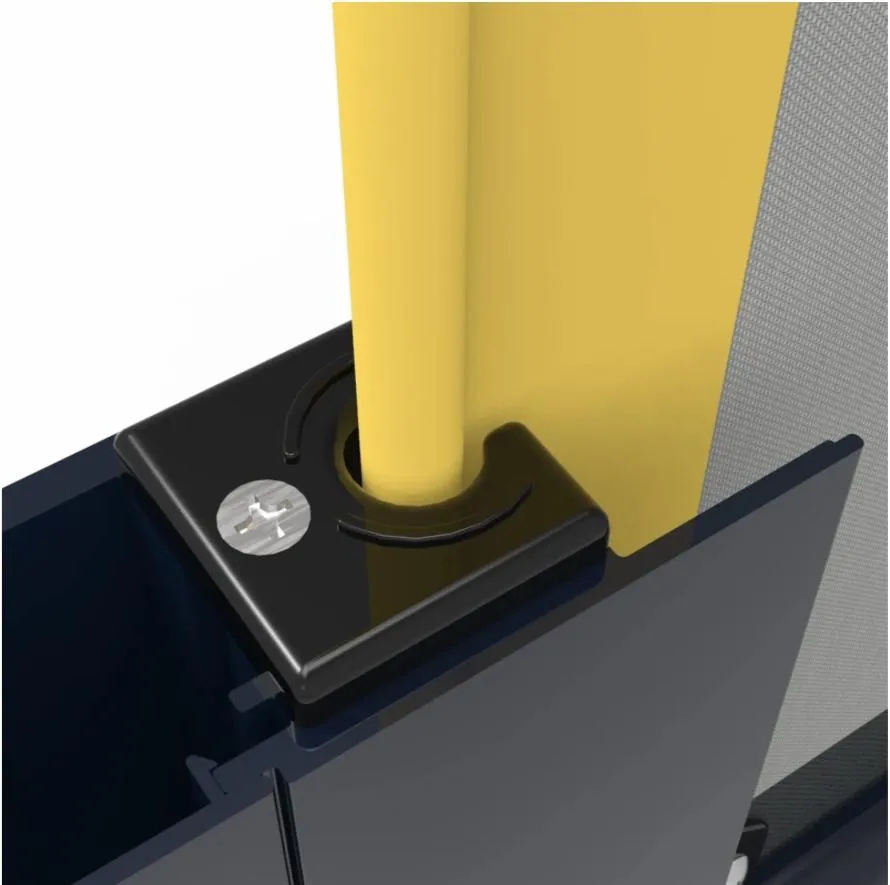
No blowouts. No rewraps. No frustration.
One-Track is the only retractable screen system on the market designed to stay locked in the track—even in high winds. Smart motor senses resistance and adjusts seamlessly, allowing self-correction when the screen encounters an obstacle: Fewer snags, fewer jams, and fewer costly service calls.
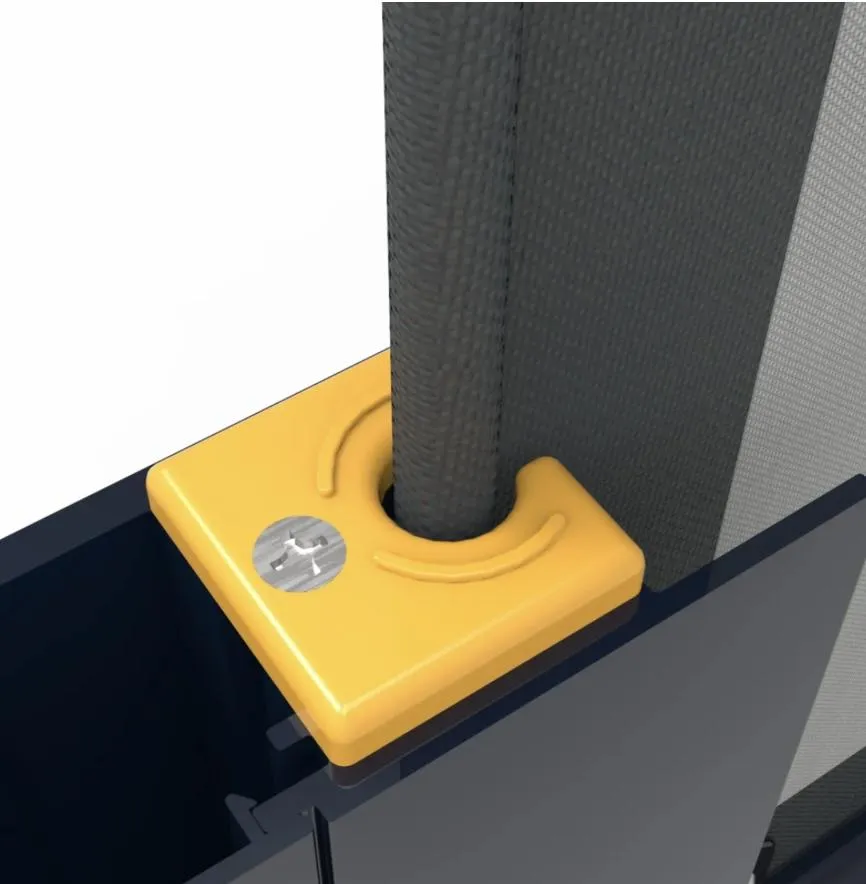
No Zipper. No Cable. Just Simple Deployment
One-Track pioneered Keder-edge technology in motorized screens, delivering unmatched durability and simplicity. Borrowed from sailboat rigging, this system eliminates zippers, cables, and exposed hardware—ensuring smooth, reliable operation every time.
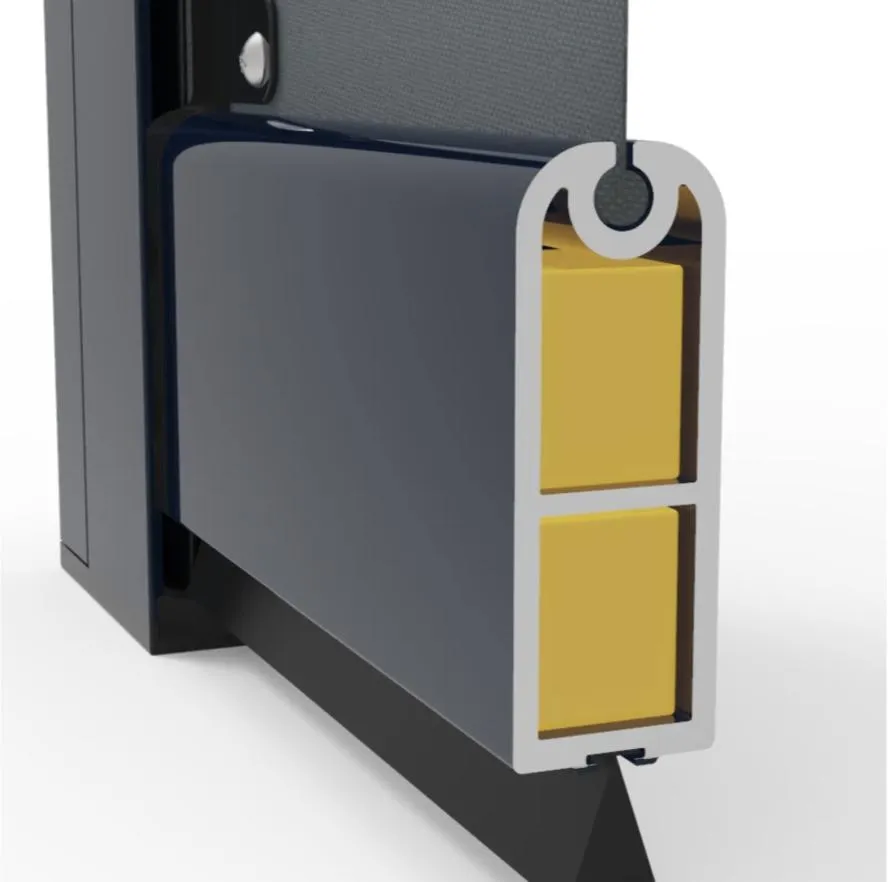
Heavy Duty
The One-Track weight bar is engineered for strength—and built to hold its ground. Pound for pound, it’s the heaviest and most robust weight bar in the industry. This ensures proper screen tension, flawless deployment, and maximum stability in high wind —limited flex, no failure.
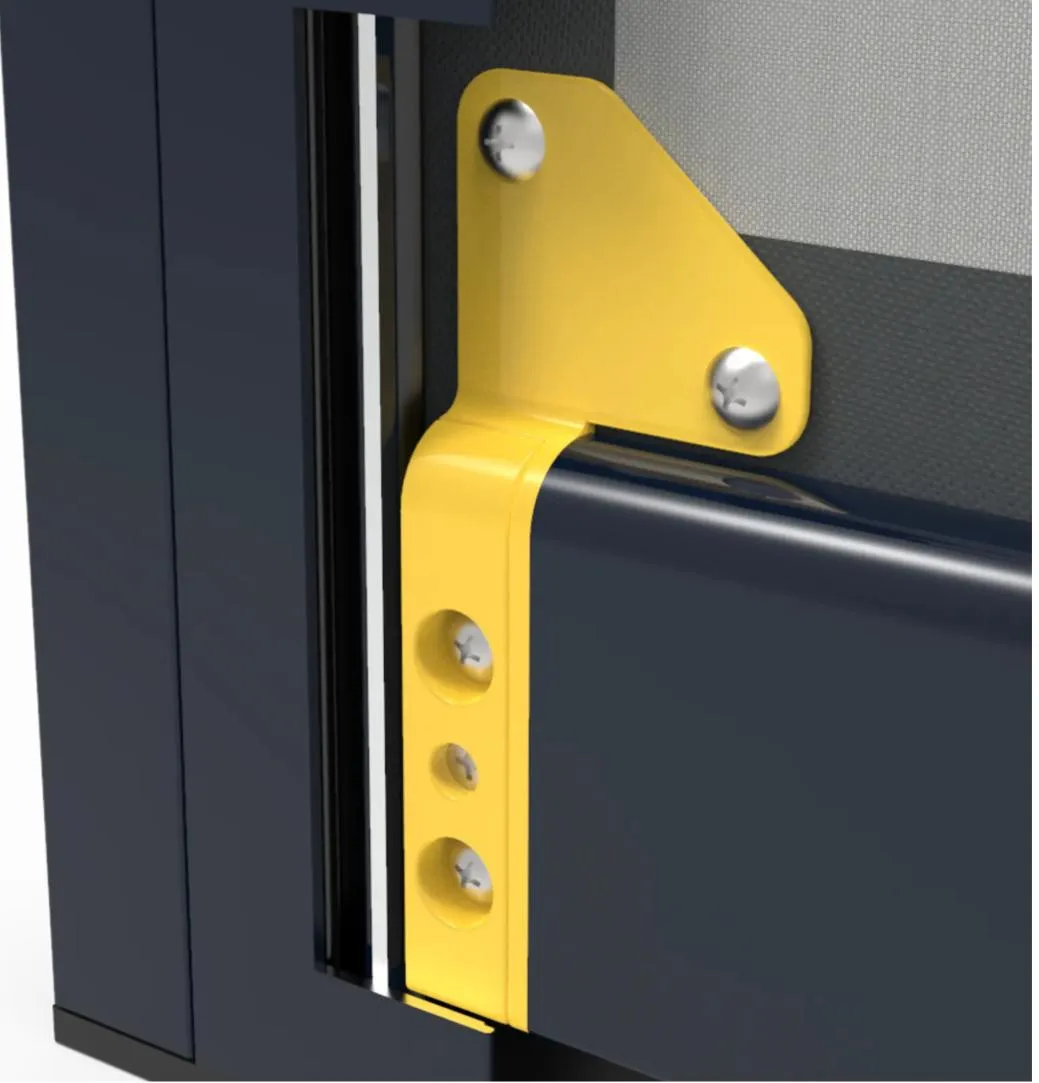
Reinforced Corners
One-Track’s heavy-duty weight bar isn’t just strong. It’s smart. Reinforced corners and integrated tie-ins create a unified structure that acts like a solid wall of protection when deployed. Made from high-strength nylon, this bar absorbs impacts while maintaining structural integrity.
ONE-TRACK HURRICANE SCREENS
Engineering Features
No blowouts. No rewraps. No frustration.
One-Track is the only retractable screen system on the market designed to stay locked in the track—even in high winds. Smart motor senses resistance and adjusts seamlessly, allowing self-correction when the screen encounters an obstacle: Fewer snags, fewer jams, and fewer costly service calls.
No Zipper. No Cable. Just Simple Deployment
One-Track pioneered Keder-edge technology in motorized screens, delivering unmatched durability and simplicity. Borrowed from sailboat rigging, this system eliminates zippers, cables, and exposed hardware—ensuring smooth, reliable operation every time.
Heavy Duty
The One-Track weight bar is engineered for strength—and built to hold its ground. Pound for pound, it’s the heaviest and most robust weight bar in the industry. This ensures proper screen tension, flawless deployment, and maximum stability in high wind zones. —limited flex, no failure.
Reinforced Corners
OneTrack’s heavy-duty weight bar isn’t just strong. It’s smart. Reinforced corners and integrated tie-ins create a unified structure that acts like a solid wall of protection when deployed. Made from high-strength nylon, this bar absorbs impacts while maintaining structural integrity.

HEADACHE-FREE
Exclusive self-tensioning system eliminates 99.9% of screen issues. No track adjustments, broken zippers,or dislodged screens.

LIFETIME WARRANTY
No other company can stand behind their products like One-Track can because no other company can match our quality.

BUILT TO LAST
We use marine-grade materials such as powder-coated aluminum, UV-protected nylons, stainless steel fasteners, and premium fabrics. Resists corrosion, rust, and screen failure.

COST-SAVING
Exterior shade screens reduce cooling bills and One-Track screens reduce insurance premiums in hurricane zones.

SMART CONTROLS
Control One-Track screens via remote and phone or integrate with popular home automation systems for advanced capabilities.

MAX CORROSION PROTECTION
Powder Coated Aluminum Protects your investment from exposer and corrosion.

HEAVY-DUTY DESIGN
Our screens are designed to withstand the extreme. High wind, rain, or shine, dust dirt, dander, it doesn't matter. One-Track covers it all.

CUSTOM-MADE SCREENS
Tailor-made screens with vast color,
fabric, and system options. Custom paint color and fabric matching are available.
ONE-TRACK THE #1 MOTORIZED
HURRICANE SCREEN
Contact A+ Certified
One-Track Screen
Dealer Today...
HEADACHE-FREE
Exclusive self-tensioning system eliminates 99.9% of screen issues. No track adjustments, broken zippers,or dislodged screens.
LIFETIME WARRANTY
No other company can stand behind their products like One-Track can because no other company can match our quality.
CUSTOM-MADE SCREENS
Tailor-made screens with vast color, fabric, and system options. Custom paint color and fabric matching are available.
BUILT TO LAST
We use marine-grade materials such as powder-coated aluminum, UV-protected nylons, stainless steel fasteners, and premium fabrics. Resists corrosion, rust, and screen failure.
COST-SAVING
Exterior shade screens reduce cooling bills and protect against skin and furniture Damage caused by excessive UV Rays.
SMART CONTROLS
Control One-Track screens via remote and phone or integrate with popular home automation systems for advanced capabilities.
MAX CORROSION PROTECTION
Powder Coated Aluminum Protects your investment from exposer and corrosion.
HEAVY-DUTY DESIGN
Our screens are designed to withstand Mother Nature's daily abuse. High wind, rain, or shine, dust dirt, dander, it doesn't matter. One-Track covers it all.
ONE-TRACK THE #1 MOTORIZED INSECT AND SHADE SCREEN
Contact A+ Certified One-Track Screen Dealer Today...
ONE-TRACK
Ready For Life's Storms
LOCK TIGHT - KEDER TECHNOLOGY
Good bye Zipper Track System
When others relied on outdated zipper systems, One-Track pioneered a breakthrough. Our Lock Tight Keder technology transformed the industry by delivering what zippers couldn't: unmatched strength, flawless operation, and built-to-last reliability.
Years of proven performance speak for themselves. Lock Tight Keder provides superior wind resistance, effortless functionality, and the durability you need for long-term peace of mind.
Lock Tight Side Retention
Prevent Screen Hangups
Prevent Jams
Prevent Snaggs
Prevent Rewraps.
ONE-TRACK
Ready For Life's Storms
LOCK TIGHT - KEDER TECHNOLOGY
Good bye Zipper Track System
When others relied on outdated zipper systems, One-Track pioneered a breakthrough. Our Lock Tight Keder technology transformed the industry by delivering what zippers couldn't: unmatched strength, flawless operation, and built-to-last reliability.
Years of proven performance speak for themselves. Lock Tight Keder provides superior wind resistance, effortless functionality, and the durability you need for long-term peace of mind.
• Lock Tight Side Retention
• Prevent Screen Hangups
• Prevent Jams
• Prevent Snaggs
• Prevent Rewraps.
ONE-TRACK THE #1 MOTORIZED MOTORIZED INSECT AND SHADE SCREEN
Contact A+ Certified One-Track Screen Dealer Today...
ONE-TRACK THE #1 MOTORIZED
HURRICANE SCREEN
Contact A+ Certified
One-Track Screen
Dealer Today...
THE ONE-TRACK DIFFERENCE
Eliminates All Services Call, Fix Track and Zippers Systems
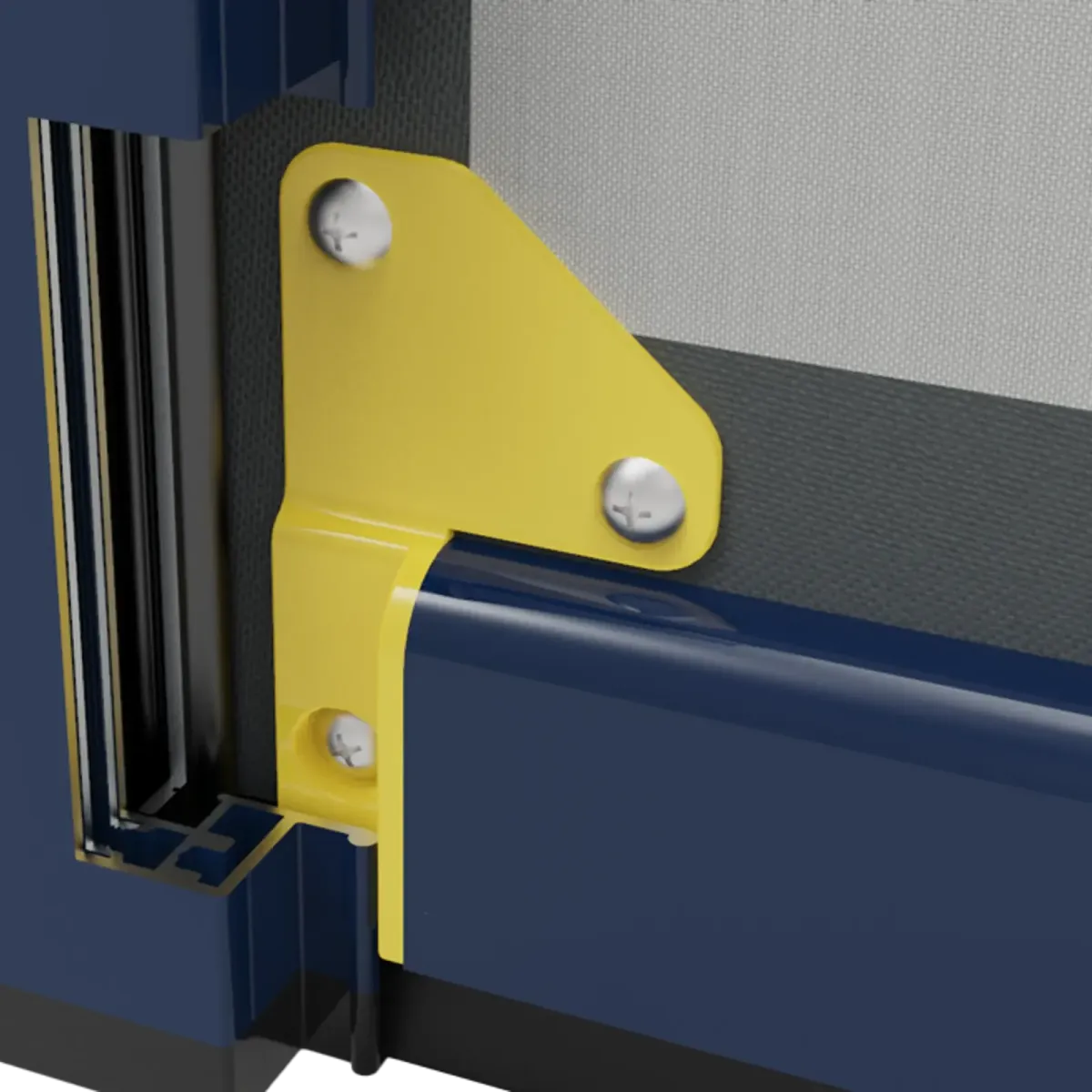
Recognizing that screen wear is most prominent at the corner where the weight bar and screen meet, One-Track engineers designed a robust and flexible guide made of toughened nylon. This innovative design reinforces the corner connection, extending the screen's lifespan,
.
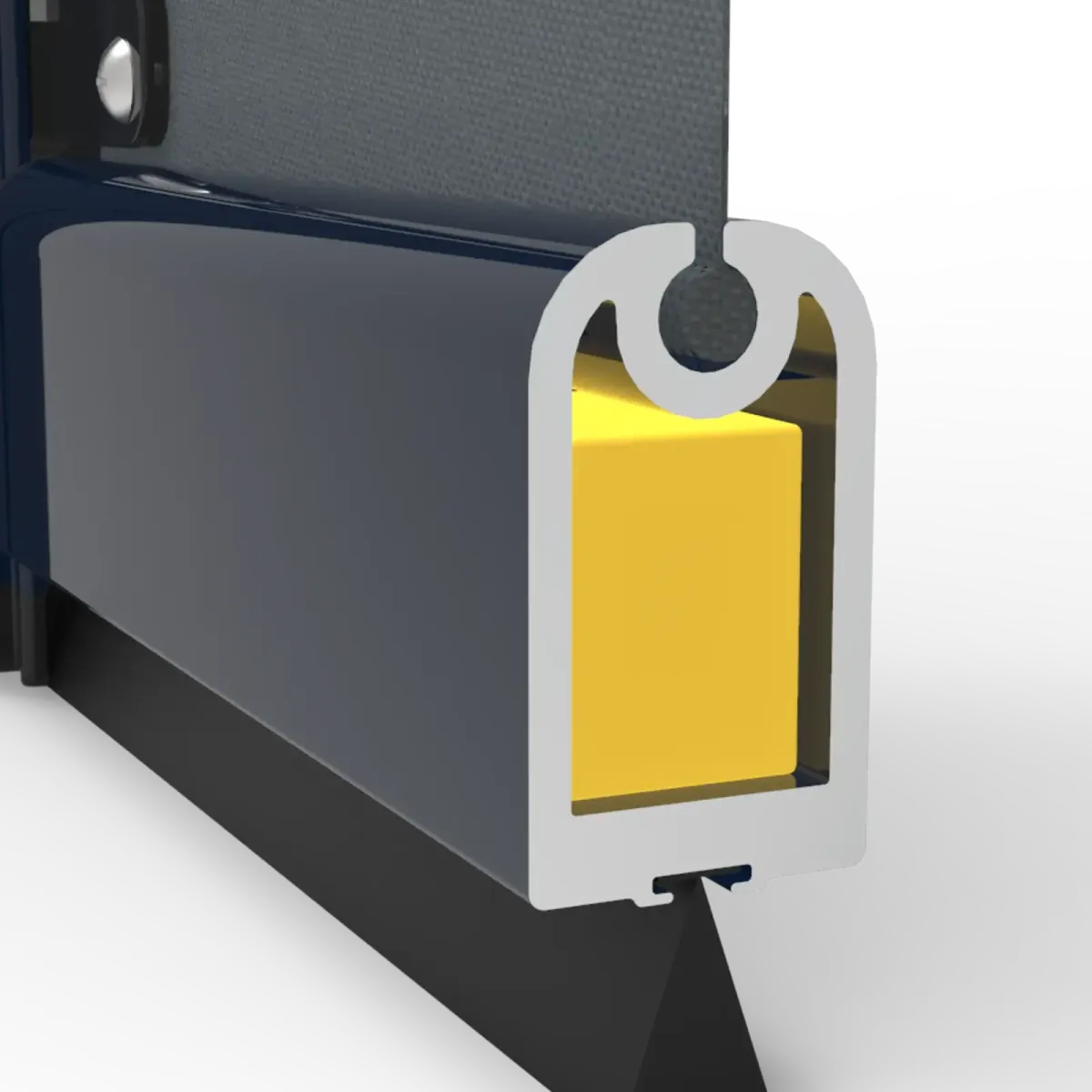
One-Track offers a well-engineered, low-profile standard weight bar suitable for installations in low-wind areas. When rolled up, it minimizes visibility in storage. For locations with higher wind exposure, a heavier-weight bar can be specified as needed.
.
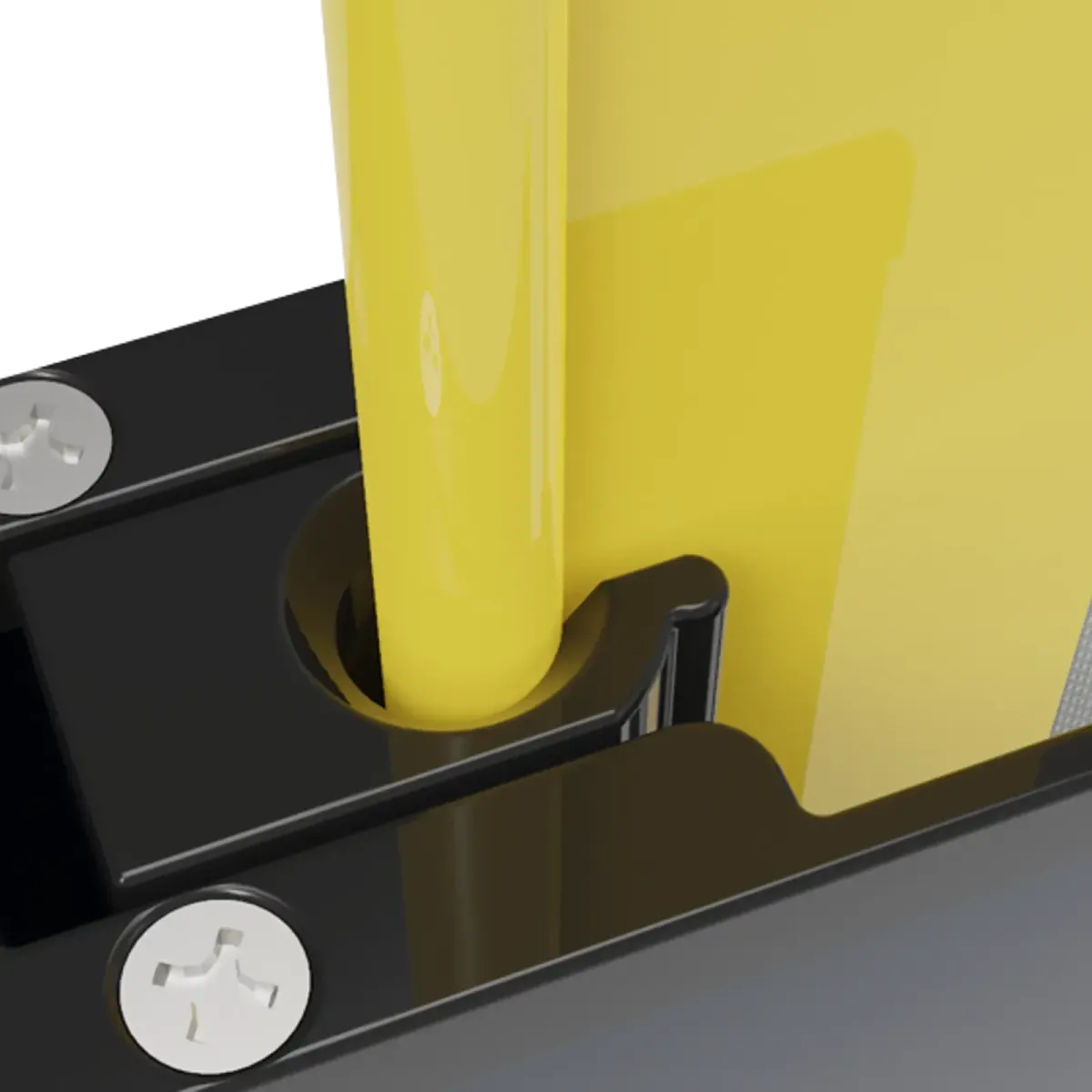
One-Track as the first to employ keder-edged screens, opted against zippers, known for potential issues. Keder's smooth, durable design avoids past failures.
.
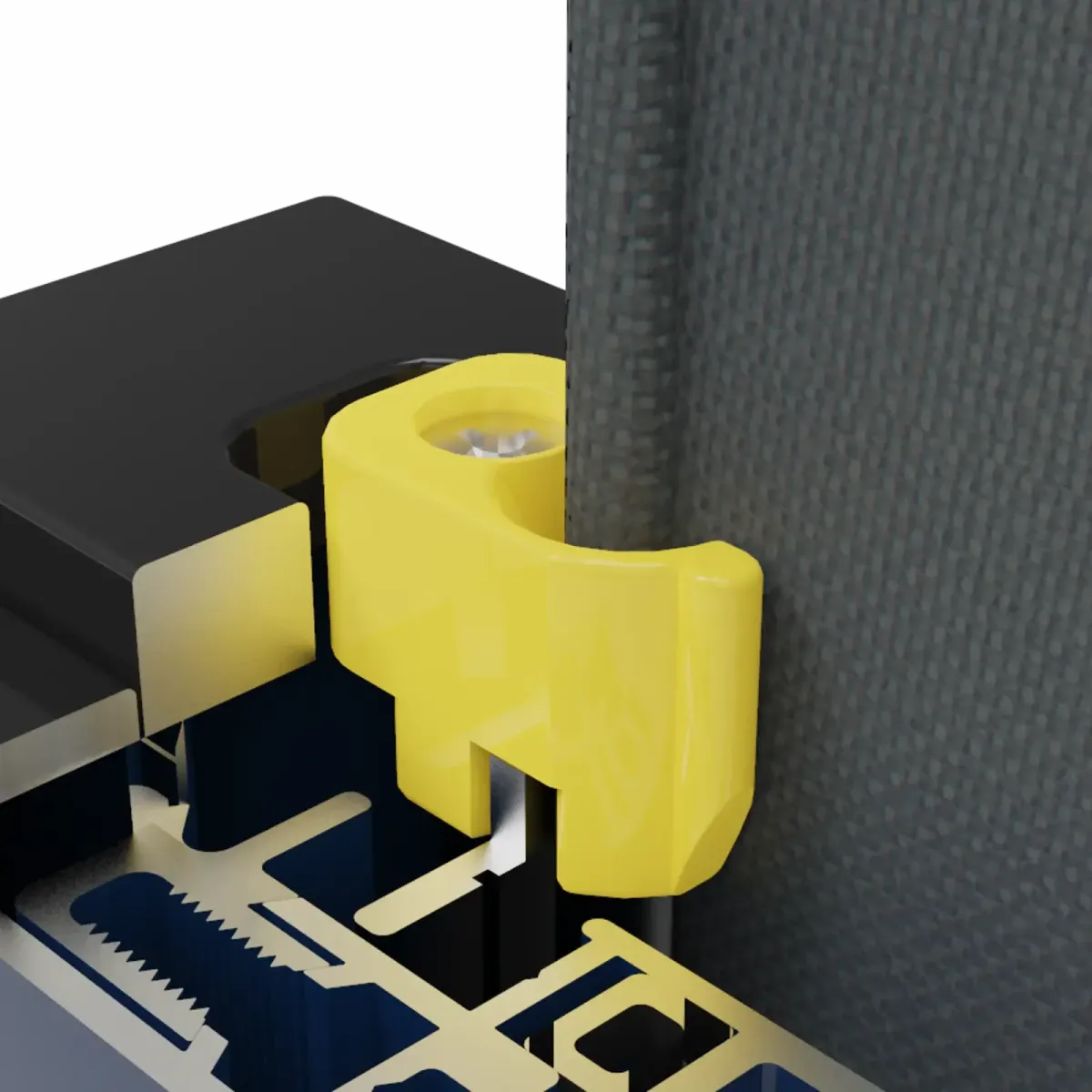
One-Track retractable screens are designed to never come out of their tracks. The screen pre-feeder facilitates a smooth transition from the reel to the side track. Smart motors instantly halt the downward motion of the screen, preventing it from dislodging from the tracks.
.
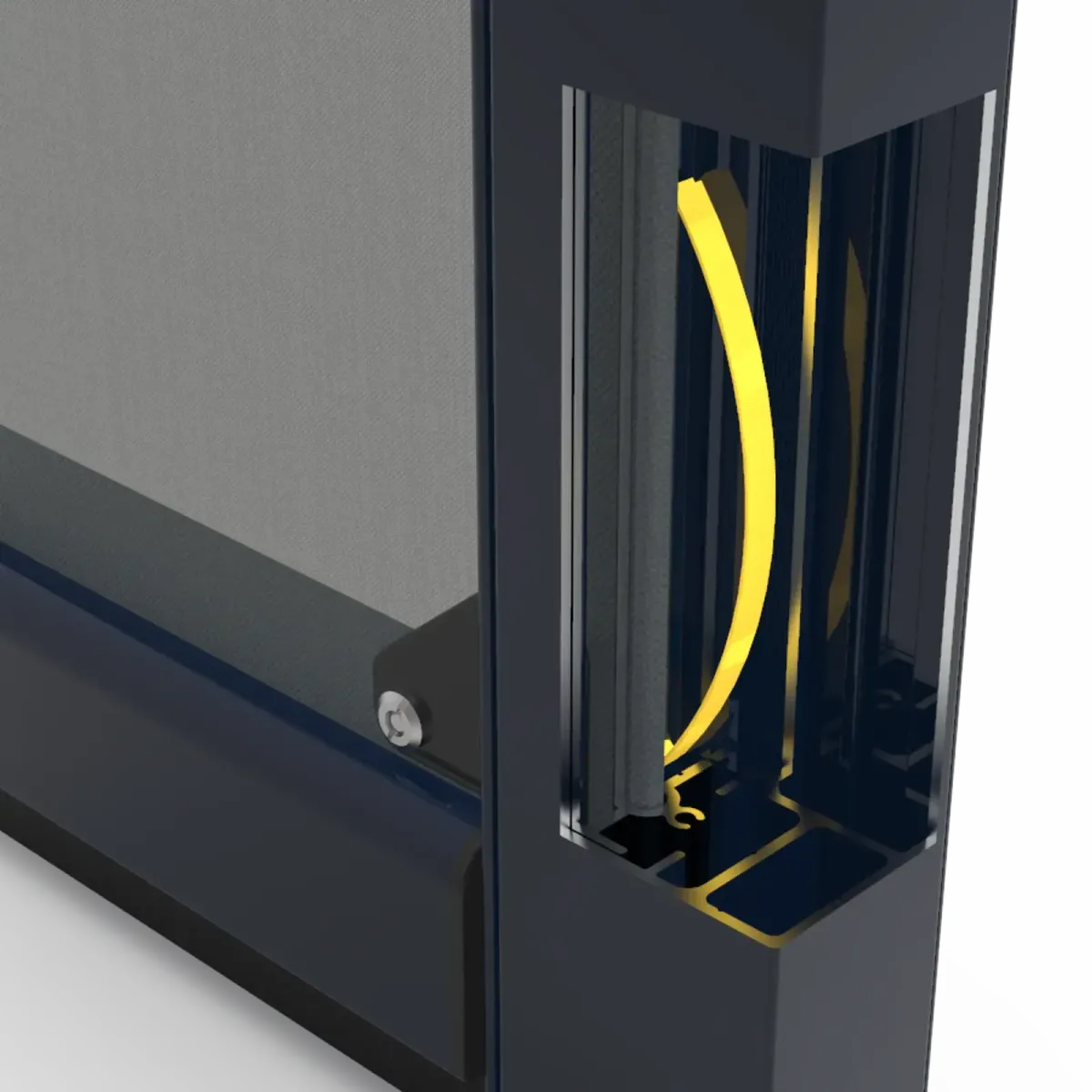
One-Track employs a unique spring-based tensioning system that ensures nearly silent operation of the screens. This technology prioritizes a quiet and comfortable outdoor experience. Think of it like shock absorbers in a car - It's the springs that give you a quiet, comfortable ride.
.
ONE-TRACK THE #1 MOTORIZED INSECT AND SHADE SCREENS
Contact A+ Certified One-Track Screen Dealer Today...
ONE-TRACK THE #1 MOTORIZED
HURRICANE SCREEN
Contact A+ Certified
One-Track Screen
Dealer Today...
THE ONE-TRACK DIFFERENCE
One-Track Screen
AMERICAN INGENUITY
Made in the USA.
Proudly Made in the USA—every One-Track screen is built with American strength, precision, and pride. From the smallest components to the final assembly, our materials are sourced and manufactured right here in the United States. No outsourcing. No compromises. Just hardworking Americans protecting American homes with the toughest screen system on the market.
THE ONE-TRACK DIFFERENCE
One-Track Hurricane Screen
AMERICAN INGENUITY
Made in the USA.
Proudly Made in the USA—every One-Track screen is built with American strength, precision, and pride. From the smallest components to the final assembly, our materials are sourced and manufactured right here in the United States. No outsourcing. No compromises. Just hardworking Americans protecting American homes with the toughest screen system on the market.

THE PACIFIC NORTHWEST
THE PACIFIC NORTHWEST
Waiting for a Dry Day That Never Comes
In Seattle, they have a saying: "Summer is the best day of the year."
It's a joke that lands because it's true. The Pacific Northwest offers landscapes that stop the heart — mountains that scrape the clouds, water that mirrors infinity, forests that feel primordial and sacred. It's why people move here by the thousands every year. It's why they stay despite the gray, the damp, the endless drizzle that locals call "liquid sunshine" with a resignation that borders on pride.
But ask any homeowner in Portland or Tacoma about their patio, and you'll hear the same refrain: It rains. We wait. We go inside.
One hundred fifty days of rain. That's not a season — that's a lifestyle of postponement.
The rain in the Pacific Northwest doesn't fall — it lingers. It hovers. It makes itself at home in the air and waits for you to make plans before deciding to arrive. Saturday brunch on the deck? Better check the forecast. Birthday party in the backyard? Have an indoor backup ready. That dinner under the stars you've been planning? The stars aren't visible for weeks at a time, and the dinner will probably be under clouds that weep without warning.
But here's a different question, one that changes everything: What if the rain could fall around you instead of on you?
What if that misty Sunday morning became an invitation rather than a deterrent? What if you could finally answer "yes" to outdoor plans — without consulting a forecast that lies half the time anyway?
What if waiting for a dry day was no longer the point?
The Problem with Planning in the Gray
The frustration of Pacific Northwest outdoor living isn't really about rain. Seattleites know how to dress for wet weather. Portlanders own seventeen different weights of waterproof jacket. The culture has adapted to moisture in ways visitors find bewildering and impressive.
But there's a difference between walking to the coffee shop in drizzle and hosting your mother-in-law's birthday dinner on a patio that might become a splash zone at any moment. The former is daily life. The latter is a gamble most homeowners eventually stop taking.
You check the forecast. You hope. You reschedule. You check again.
The pattern repeats until checking feels pointless. The weather app says "30% chance of rain" for every day between October and June — and that 30% shows up with suspicious frequency exactly when you've committed to outdoor plans.
So you stop committing. You hedge every invitation with "weather permitting." You watch your patio become a space you pass through on the way to somewhere dry, rather than a destination in itself. The beautiful deck you invested in? It grows moss. The outdoor furniture? Mildew creeps into the cushions no matter how many times you treat them. The firepit you imagined gathering around on autumn evenings? Cold and damp and increasingly pointless.
And the moss comes, and the mold follows, and the cushions rot, and eventually you stop bothering to bring them outside at all.
The cruelest part isn't the rain itself. It's the unpredictability. Cold you can dress for. Snow you can plan around. But rain that might come, might not, probably will, who knows when? That kind of uncertainty doesn't just dampen your patio — it dampens your will to use it.
Rain as Ambiance, Not Enemy
Here's something the weather-weary forget: rain is actually beautiful.
There's a reason people pay money for recordings of rainfall. There's a reason "rain on a tin roof" evokes coziness rather than misery. The problem was never rain itself — it was being in the rain when you wanted to be near it.
The Japanese have a concept called "amefuri" — literally "rain falling" — that treats precipitation as something to appreciate rather than escape. Traditional Japanese architecture includes engawa, covered porches designed specifically for rain-watching. The idea isn't to wall off the weather but to create a threshold where you can experience it from shelter, present to the beauty without suffering the discomfort.
The Pacific Northwest is perhaps the most Japanese-climate region in America. What if its patios started acting like it?
Clear vinyl screens create exactly this experience. Imagine sitting on your patio while rain traces patterns on the transparent surface inches from your face. You can see each droplet's journey. You can hear the rhythm, that gentle percussion that actually is relaxing when you're not getting wet. The rain becomes a feature of your evening rather than the thing that ended it.
The rain used to end your evenings. Now it soundtracks them.
Inside your screened enclosure, the air stays dry. The temperature stays comfortable — protected from the wind chill that makes Northwest drizzle cut deeper than the thermometer suggests. Your furniture stays clean. Your cushions stay dry. And you stay exactly where you want to be: connected to the outdoors, experiencing the landscape you moved here to love, without the penalty of getting soaked.
Can you actually enjoy rain? Ask anyone who's watched a storm from shelter, coffee in hand, completely dry. The answer writes itself.
Engineering for the Wet
The Pacific Northwest breaks products that weren't designed for its particular brand of persistent moisture. Mechanisms that work perfectly in Arizona seize up in Seattle. Materials that last decades in Denver deteriorate in years in Portland. The climate is a test that inferior screens fail repeatedly.
One-Track is engineered specifically for conditions like these.
The marine-grade powder coating on every aluminum component isn't an upgrade — it's standard. The same finishes that protect boats in salt water protect One-Track screens in the endless damp of Western Washington. Corrosion doesn't stand a chance because the materials never give it an opening.
The sealed track system matters even more here than in other climates. Traditional screens leave gaps — small openings where tracks meet frames, where fabric meets housing. In dry climates, those gaps are cosmetic annoyances. In the Pacific Northwest, they're highways for moisture intrusion, pathways for the damp to penetrate exactly where you don't want it.
One-Track's Lock Tight Keder technology eliminates those gaps entirely. The precision-welded screen edge slides into an engineered channel and locks — no zippers to corrode, no seams to admit water, no compromises. When the screens are deployed, rain stays out. Period.
Marine-grade. Sealed tracks. No gaps. No failures. No excuses.
The humidity that warps wood and swells lesser mechanisms? The self-adjusting tracks accommodate it without binding. The motors that other systems protect with afterthought housings? Engineered from the start for wet-climate reliability. The warranty that backs everything? Lifetime coverage on the Keder attachment, because confidence should outlast uncertainty.
Engineered for moisture. Tested in moisture. Thriving in moisture.
Hosting Without Hesitation
Consider what changes when weather stops being a variable.
Saturday brunch happens. The birthday party happens. Sunday dinner with the in-laws happens.
You send invitations without checking forecasts first. You buy groceries for outdoor grilling without hedging. You tell guests to come at 6, not "6 unless it's raining, in which case we'll figure something out." The hesitation that colored every outdoor plan — that slight cringe when you committed to anything weather-dependent — dissolves.
Your patio transforms from a space you might use to a space you do use.
The meditation of watching rain fall inches from your face, dry and warm, becomes a regular luxury rather than an impossible fantasy. February afternoon tea on the deck. November dinner parties that actually stay outside. October evenings where the fire pit glows and the rain drums its rhythm on clear screens overhead, and nobody mentions going inside because nobody wants to.
The furniture that used to spend half its life under tarps, developing the musty smell of seasonal neglect? It stays out. It stays clean. It stays ready for whatever moment you decide to sit down and stay awhile.
Some boundaries are walls. One-Track is a whisper — holding the rain at bay while letting the forest, the mountains, the sound of water on vinyl draw you closer to the landscape you love.
And those cushions — the ones that moldered and mildewed no matter what you tried? Inside a screened enclosure, they last three to four times longer. The protection pays for itself in replacement costs alone, long before you count the value of actually using your outdoor space year-round.
See how homeowners across the country protect their outdoor investments with One-Track solutions →
Your Furniture, Your Time, Your Call
The best protection is protection you don't have to think about.
One-Track screens deploy with a single button press — or with a voice command, or through an app on your phone, or automatically when sensors detect rain beginning. The technology adapts to how you live rather than demanding you adapt to it.
Heading home and the sky looks threatening? Deploy the screens from your car. Already on the patio when drops start falling? Hit the button without leaving your seat. Want the screens down every evening at 6 PM regardless of weather? Program it once and forget it.
Your furniture used to be at the mercy of the weather. Now the weather is at the mercy of a button.
The smart home integration goes deeper than convenience. Wind sensors can trigger automatic deployment before gusts scatter your cushions. Rain sensors can close the screens the moment precipitation begins — often before you even notice. Temperature thresholds can adjust screening levels to optimize comfort. The system responds to conditions so you can respond to your life.
This is what it means to live in the Pacific Northwest without fighting it. Not conquering the rain, not hiding from it, but creating a space where the rain is exactly as present as you want it to be.
The View, Finally Accessible
Picture February in Portland.
The rain drums steady against clear screens, that particular Northwest rhythm that used to mean "stay inside" and now means "pour another cup of coffee." Inside your enclosed patio, the fire pit glows. The couch is dry. The cushions smell like cushions, not mildew.
Through the clear screens, the Douglas firs sway in wind you can see but can't feel. The mountains appear briefly through a gap in the clouds, then vanish again into gray that feels cozy rather than oppressive. You're outside — truly outside, connected to the landscape, present in the weather — and completely comfortable.
Your guests arrived without umbrellas. They didn't need them.
The conversation flows. The rain falls. Falls just inches from your face. Your face stays dry. And somewhere in the distance, probably, the sun is shining. But for once, you don't care. The rain is beautiful from here.
This is the Pacific Northwest the way you always imagined it. The connection to nature without the punishment of nature. The beauty of the rain without the burden of the rain. The life you moved here to live, finally livable.
For years, you planned outdoor gatherings around weather windows that never quite opened. You watched the forecast like it held answers, then moved the party inside anyway. You accepted that outdoor living in Seattle meant outdoor hoping — hoping the rain would hold off, hoping the dry spell would last, hoping for something the climate couldn't promise.
One-Track changes the equation. It doesn't stop the rain. It simply draws a line between where the rain falls and where you stand. The view stays. The connection stays. The wilderness surrounds you. And for the first time, the weather doesn't touch you.
Stop waiting for dry days. Start making them.
Discover what rain-proof outdoor living looks like →

THE PACIFIC NORTHWEST
THE PACIFIC NORTHWEST
Waiting for a Dry Day That Never Comes
In Seattle, they have a saying: "Summer is the best day of the year."
It's a joke that lands because it's true. The Pacific Northwest offers landscapes that stop the heart — mountains that scrape the clouds, water that mirrors infinity, forests that feel primordial and sacred. It's why people move here by the thousands every year. It's why they stay despite the gray, the damp, the endless drizzle that locals call "liquid sunshine" with a resignation that borders on pride.
But ask any homeowner in Portland or Tacoma about their patio, and you'll hear the same refrain: It rains. We wait. We go inside.
One hundred fifty days of rain. That's not a season — that's a lifestyle of postponement.
The rain in the Pacific Northwest doesn't fall — it lingers. It hovers. It makes itself at home in the air and waits for you to make plans before deciding to arrive. Saturday brunch on the deck? Better check the forecast. Birthday party in the backyard? Have an indoor backup ready. That dinner under the stars you've been planning? The stars aren't visible for weeks at a time, and the dinner will probably be under clouds that weep without warning.
But here's a different question, one that changes everything: What if the rain could fall around you instead of on you?
What if that misty Sunday morning became an invitation rather than a deterrent? What if you could finally answer "yes" to outdoor plans — without consulting a forecast that lies half the time anyway?
What if waiting for a dry day was no longer the point?
The Problem with Planning in the Gray
The frustration of Pacific Northwest outdoor living isn't really about rain. Seattleites know how to dress for wet weather. Portlanders own seventeen different weights of waterproof jacket. The culture has adapted to moisture in ways visitors find bewildering and impressive.
But there's a difference between walking to the coffee shop in drizzle and hosting your mother-in-law's birthday dinner on a patio that might become a splash zone at any moment. The former is daily life. The latter is a gamble most homeowners eventually stop taking.
You check the forecast. You hope. You reschedule. You check again.
The pattern repeats until checking feels pointless. The weather app says "30% chance of rain" for every day between October and June — and that 30% shows up with suspicious frequency exactly when you've committed to outdoor plans.
So you stop committing. You hedge every invitation with "weather permitting." You watch your patio become a space you pass through on the way to somewhere dry, rather than a destination in itself. The beautiful deck you invested in? It grows moss. The outdoor furniture? Mildew creeps into the cushions no matter how many times you treat them. The firepit you imagined gathering around on autumn evenings? Cold and damp and increasingly pointless.
And the moss comes, and the mold follows, and the cushions rot, and eventually you stop bothering to bring them outside at all.
The cruelest part isn't the rain itself. It's the unpredictability. Cold you can dress for. Snow you can plan around. But rain that might come, might not, probably will, who knows when? That kind of uncertainty doesn't just dampen your patio — it dampens your will to use it.
Rain as Ambiance, Not Enemy
Here's something the weather-weary forget: rain is actually beautiful.
There's a reason people pay money for recordings of rainfall. There's a reason "rain on a tin roof" evokes coziness rather than misery. The problem was never rain itself — it was being in the rain when you wanted to be near it.
The Japanese have a concept called "amefuri" — literally "rain falling" — that treats precipitation as something to appreciate rather than escape. Traditional Japanese architecture includes engawa, covered porches designed specifically for rain-watching. The idea isn't to wall off the weather but to create a threshold where you can experience it from shelter, present to the beauty without suffering the discomfort.
The Pacific Northwest is perhaps the most Japanese-climate region in America. What if its patios started acting like it?
Clear vinyl screens create exactly this experience. Imagine sitting on your patio while rain traces patterns on the transparent surface inches from your face. You can see each droplet's journey. You can hear the rhythm, that gentle percussion that actually is relaxing when you're not getting wet. The rain becomes a feature of your evening rather than the thing that ended it.
The rain used to end your evenings. Now it soundtracks them.
Inside your screened enclosure, the air stays dry. The temperature stays comfortable — protected from the wind chill that makes Northwest drizzle cut deeper than the thermometer suggests. Your furniture stays clean. Your cushions stay dry. And you stay exactly where you want to be: connected to the outdoors, experiencing the landscape you moved here to love, without the penalty of getting soaked.
Can you actually enjoy rain? Ask anyone who's watched a storm from shelter, coffee in hand, completely dry. The answer writes itself.
Engineering for the Wet
The Pacific Northwest breaks products that weren't designed for its particular brand of persistent moisture. Mechanisms that work perfectly in Arizona seize up in Seattle. Materials that last decades in Denver deteriorate in years in Portland. The climate is a test that inferior screens fail repeatedly.
One-Track is engineered specifically for conditions like these.
The marine-grade powder coating on every aluminum component isn't an upgrade — it's standard. The same finishes that protect boats in salt water protect One-Track screens in the endless damp of Western Washington. Corrosion doesn't stand a chance because the materials never give it an opening.
The sealed track system matters even more here than in other climates. Traditional screens leave gaps — small openings where tracks meet frames, where fabric meets housing. In dry climates, those gaps are cosmetic annoyances. In the Pacific Northwest, they're highways for moisture intrusion, pathways for the damp to penetrate exactly where you don't want it.
One-Track's Lock Tight Keder technology eliminates those gaps entirely. The precision-welded screen edge slides into an engineered channel and locks — no zippers to corrode, no seams to admit water, no compromises. When the screens are deployed, rain stays out. Period.
Marine-grade. Sealed tracks. No gaps. No failures. No excuses.
The humidity that warps wood and swells lesser mechanisms? The self-adjusting tracks accommodate it without binding. The motors that other systems protect with afterthought housings? Engineered from the start for wet-climate reliability. The warranty that backs everything? Lifetime coverage on the Keder attachment, because confidence should outlast uncertainty.
Engineered for moisture. Tested in moisture. Thriving in moisture.
Hosting Without Hesitation
Consider what changes when weather stops being a variable.
Saturday brunch happens. The birthday party happens. Sunday dinner with the in-laws happens.
You send invitations without checking forecasts first. You buy groceries for outdoor grilling without hedging. You tell guests to come at 6, not "6 unless it's raining, in which case we'll figure something out." The hesitation that colored every outdoor plan — that slight cringe when you committed to anything weather-dependent — dissolves.
Your patio transforms from a space you might use to a space you do use.
The meditation of watching rain fall inches from your face, dry and warm, becomes a regular luxury rather than an impossible fantasy. February afternoon tea on the deck. November dinner parties that actually stay outside. October evenings where the fire pit glows and the rain drums its rhythm on clear screens overhead, and nobody mentions going inside because nobody wants to.
The furniture that used to spend half its life under tarps, developing the musty smell of seasonal neglect? It stays out. It stays clean. It stays ready for whatever moment you decide to sit down and stay awhile.
Some boundaries are walls. One-Track is a whisper — holding the rain at bay while letting the forest, the mountains, the sound of water on vinyl draw you closer to the landscape you love.
And those cushions — the ones that moldered and mildewed no matter what you tried? Inside a screened enclosure, they last three to four times longer. The protection pays for itself in replacement costs alone, long before you count the value of actually using your outdoor space year-round.
See how homeowners across the country protect their outdoor investments with One-Track solutions →
Your Furniture, Your Time, Your Call
The best protection is protection you don't have to think about.
One-Track screens deploy with a single button press — or with a voice command, or through an app on your phone, or automatically when sensors detect rain beginning. The technology adapts to how you live rather than demanding you adapt to it.
Heading home and the sky looks threatening? Deploy the screens from your car. Already on the patio when drops start falling? Hit the button without leaving your seat. Want the screens down every evening at 6 PM regardless of weather? Program it once and forget it.
Your furniture used to be at the mercy of the weather. Now the weather is at the mercy of a button.
The smart home integration goes deeper than convenience. Wind sensors can trigger automatic deployment before gusts scatter your cushions. Rain sensors can close the screens the moment precipitation begins — often before you even notice. Temperature thresholds can adjust screening levels to optimize comfort. The system responds to conditions so you can respond to your life.
This is what it means to live in the Pacific Northwest without fighting it. Not conquering the rain, not hiding from it, but creating a space where the rain is exactly as present as you want it to be.
The View, Finally Accessible
Picture February in Portland.
The rain drums steady against clear screens, that particular Northwest rhythm that used to mean "stay inside" and now means "pour another cup of coffee." Inside your enclosed patio, the fire pit glows. The couch is dry. The cushions smell like cushions, not mildew.
Through the clear screens, the Douglas firs sway in wind you can see but can't feel. The mountains appear briefly through a gap in the clouds, then vanish again into gray that feels cozy rather than oppressive. You're outside — truly outside, connected to the landscape, present in the weather — and completely comfortable.
Your guests arrived without umbrellas. They didn't need them.
The conversation flows. The rain falls. Falls just inches from your face. Your face stays dry. And somewhere in the distance, probably, the sun is shining. But for once, you don't care. The rain is beautiful from here.
This is the Pacific Northwest the way you always imagined it. The connection to nature without the punishment of nature. The beauty of the rain without the burden of the rain. The life you moved here to live, finally livable.
For years, you planned outdoor gatherings around weather windows that never quite opened. You watched the forecast like it held answers, then moved the party inside anyway. You accepted that outdoor living in Seattle meant outdoor hoping — hoping the rain would hold off, hoping the dry spell would last, hoping for something the climate couldn't promise.
One-Track changes the equation. It doesn't stop the rain. It simply draws a line between where the rain falls and where you stand. The view stays. The connection stays. The wilderness surrounds you. And for the first time, the weather doesn't touch you.
Stop waiting for dry days. Start making them.
Discover what rain-proof outdoor living looks like →

COMPANY
QUICK LINKS
LEGAL
FOLLOW US


© 2025 One Track - Powered by Fenetex and Friends of Oatis | Privacy Policy | Terms of Service
COMPANY
QUICK LINKS
LEGAL
FOLLOW US
© 2025 One-Track | A Fenetex Corporation Product. All Rights Reserved