ONE-TRACK MOTORIZED SCREEN
Why One-Track

ONE-TRACK MOTORIZED SCREEN
Why One-Track
ONE-TRACK PROVEN DEPENDABILITY
Engineered For Excellence
One-Track introduced the patented quiet spring technology, the core of our One-Track system, nearly a decade ago.
We’ve crafted the perfect self-adjusting screen system that operates beautifully silently when deployed, ensures frustration-free operation, and can be used in almost any weather condition.
While others have experimented with alternative methods to achieve the advantages of our One-Track screens, none have achieved the unique combination of near-silence, ease of operation, affordability, high reliability, and exceptional dependability.
The real problem with most motorized screens
Most motorized screens fail for predictable reasons. Zippers snag. Cables stretch. Tracks shift. Motors strain.
What starts as a premium upgrade quickly turns into:
Screens that jam or tangle
Gaps that let bugs and wind in
Constant service calls and repairs
You shouldn't have to "babysit" your outdoor upgrade.
That's exactly why One-Track was built differently.
CONE-TRACK PROVEN PROTECT
Engineered For Excellence
For nearly two decades, One-Track has manufactured hurricane screens to meet the most demanding building code, the High Velocity Hurricane Zone of Miami-Dade. The One-Track is our newest version of the fixed track we have used with great success for high wind applications all over the globe.
The benefits of a fixed track are unmatched strength - this is important when designing a screen system for hurricanes. When you want the strongest system available, and a proven veteran of many hurricanes, the One-Track Screen is your best choice.
The real problem with most motorized screens
Most motorized screens fail for predictable reasons. Zippers snag. Cables stretch. Tracks shift. Motors strain.
What starts as a premium upgrade quickly turns into:
Screens that jam or tangle
Gaps that let bugs and wind in
Constant service calls and repairs
You shouldn't have to "babysit" your outdoor upgrade.
That's exactly why One-Track was built differently.
ONE-TRACK THE #1 MOTORIZED INSECT AND SHADE SCREEN
Contact A+ Certified One-Track Screen Dealer Today...
ONE-TRACK THE #1 MOTORIZED
HURRICANE SCREEN
Contact A+ Certified
One-Track Screen
Dealer Today...
ONE-TRACK MOTORIZED SCREENS
Engineering Features
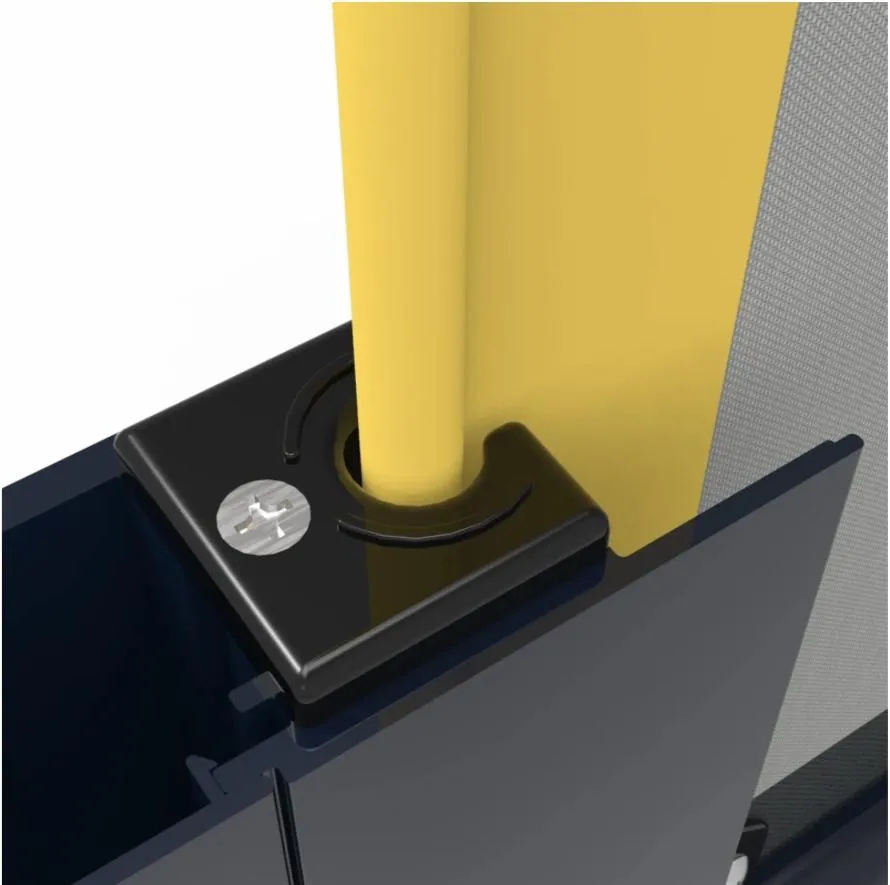
No blowouts. No rewraps. No frustration.
One-Track is the only retractable screen system on the market designed to stay locked in the track—even in high winds. Smart motor senses resistance and adjusts seamlessly, allowing self-correction when the screen encounters an obstacle: Fewer snags, fewer jams, and fewer costly service calls.
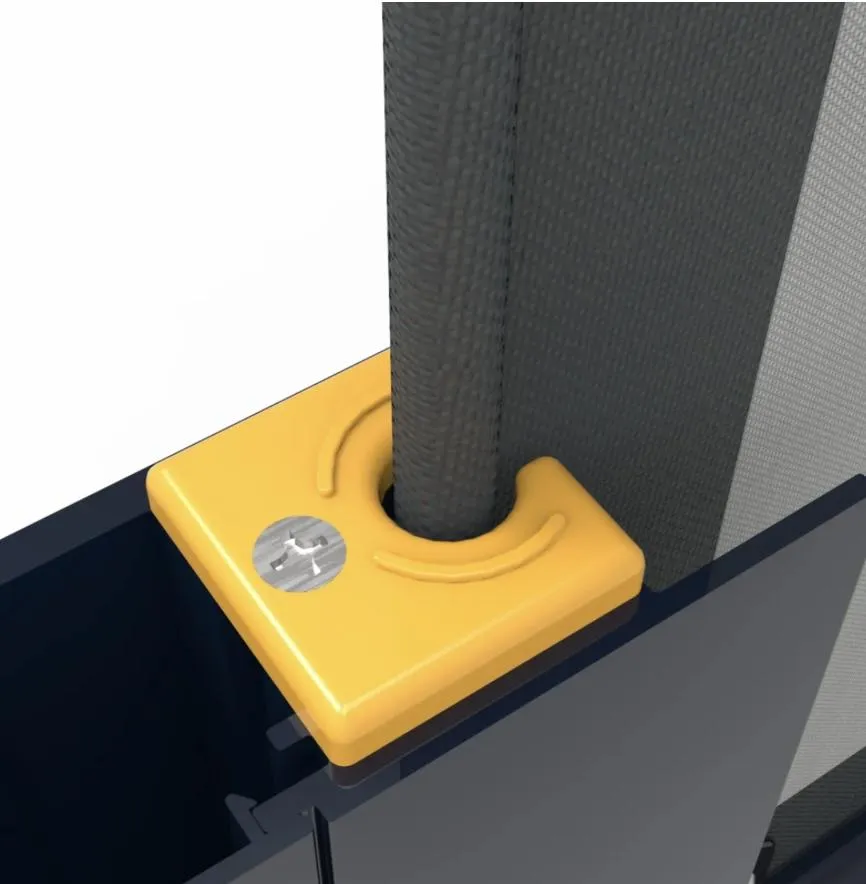
No Zipper. No Cable. Just Simple Deployment
One-Track pioneered Keder-edge technology in motorized screens, delivering unmatched durability and simplicity. Borrowed from sailboat rigging, this system eliminates zippers, cables, and exposed hardware—ensuring smooth, reliable operation every time.
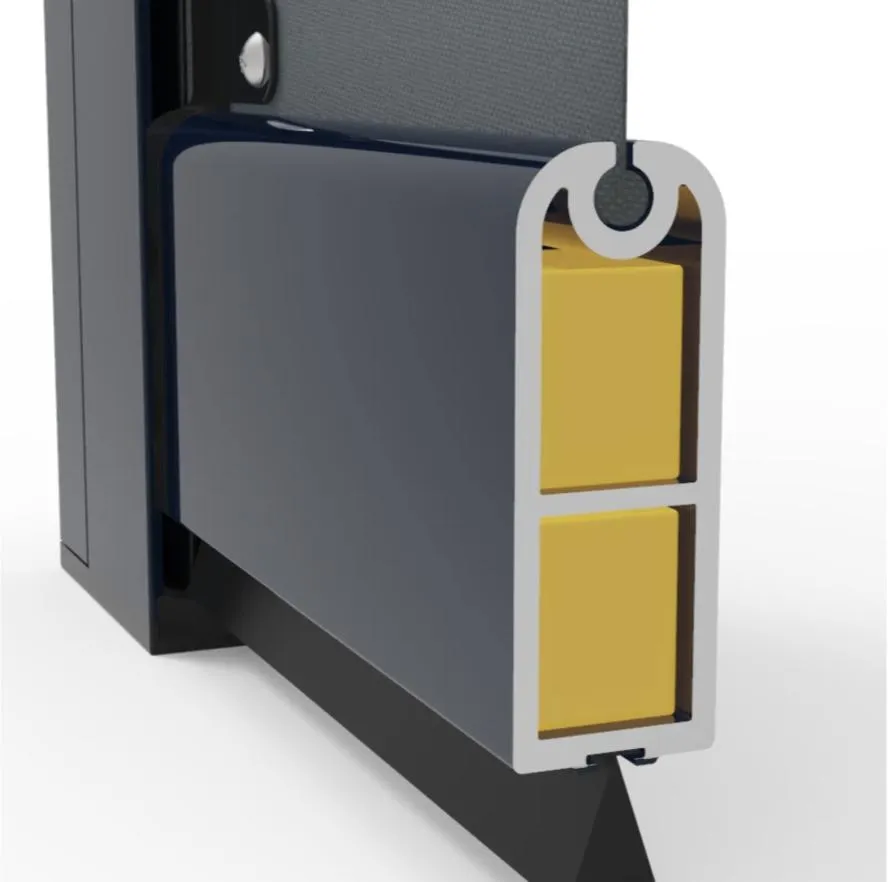
Heavy Duty
The One-Track weight bar is engineered for strength—and built to hold its ground. Pound for pound, it’s the heaviest and most robust weight bar in the industry. This ensures proper screen tension, flawless deployment, and maximum stability in high wind —limited flex, no failure.
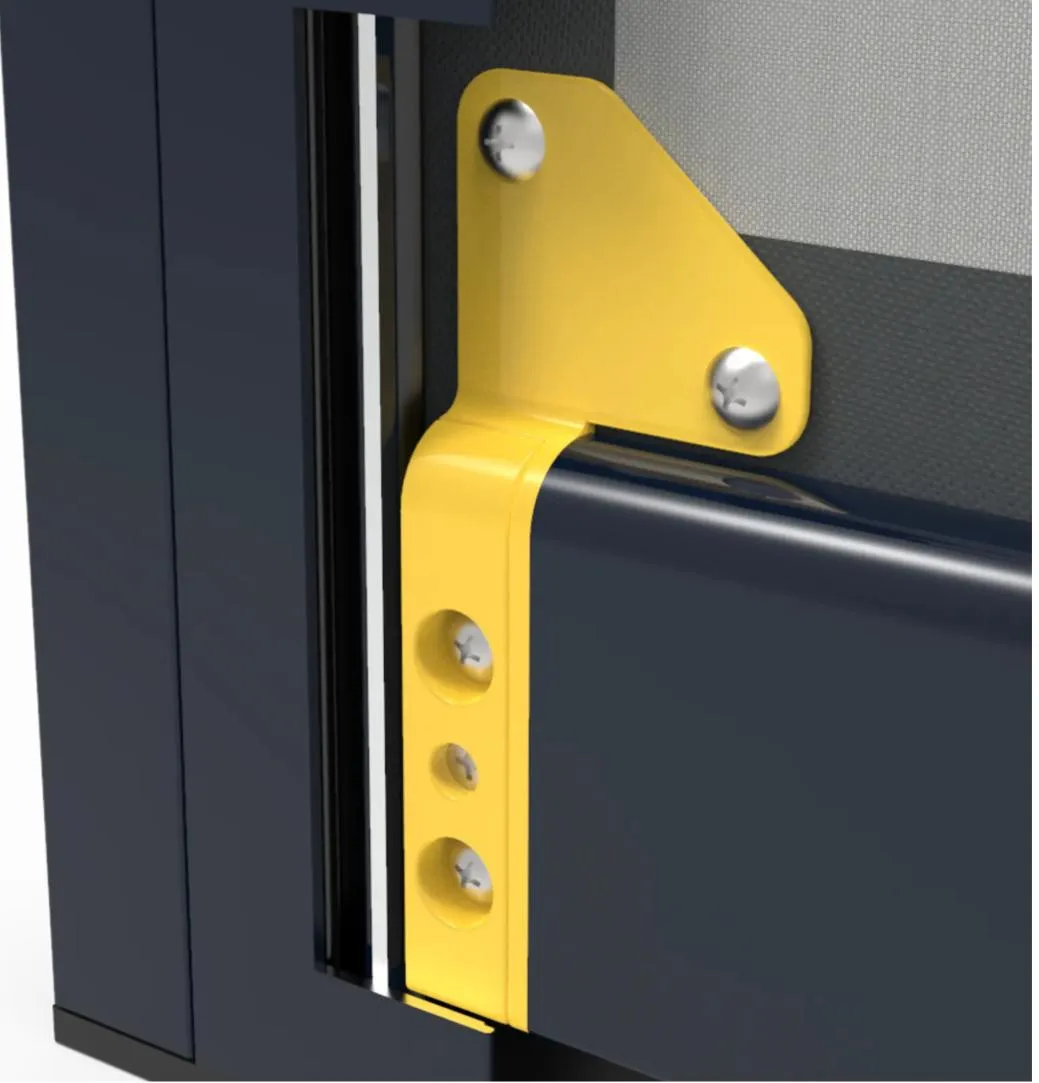
Reinforced Corners
One-Track’s heavy-duty weight bar isn’t just strong. It’s smart. Reinforced corners and integrated tie-ins create a unified structure that acts like a solid wall of protection when deployed. Made from high-strength nylon, this bar absorbs impacts while maintaining structural integrity.
ONE-TRACK HURRICANE SCREENS
Engineering Features
No blowouts. No rewraps. No frustration.
One-Track is the only retractable screen system on the market designed to stay locked in the track—even in high winds. Smart motor senses resistance and adjusts seamlessly, allowing self-correction when the screen encounters an obstacle: Fewer snags, fewer jams, and fewer costly service calls.
No Zipper. No Cable. Just Simple Deployment
One-Track pioneered Keder-edge technology in motorized screens, delivering unmatched durability and simplicity. Borrowed from sailboat rigging, this system eliminates zippers, cables, and exposed hardware—ensuring smooth, reliable operation every time.
Heavy Duty
The One-Track weight bar is engineered for strength—and built to hold its ground. Pound for pound, it’s the heaviest and most robust weight bar in the industry. This ensures proper screen tension, flawless deployment, and maximum stability in high wind zones. —limited flex, no failure.
Reinforced Corners
OneTrack’s heavy-duty weight bar isn’t just strong. It’s smart. Reinforced corners and integrated tie-ins create a unified structure that acts like a solid wall of protection when deployed. Made from high-strength nylon, this bar absorbs impacts while maintaining structural integrity.

HEADACHE-FREE
Exclusive self-tensioning system eliminates 99.9% of screen issues. No track adjustments, broken zippers,or dislodged screens.

LIFETIME WARRANTY
No other company can stand behind their products like One-Track can because no other company can match our quality.

BUILT TO LAST
We use marine-grade materials such as powder-coated aluminum, UV-protected nylons, stainless steel fasteners, and premium fabrics. Resists corrosion, rust, and screen failure.

COST-SAVING
Exterior shade screens reduce cooling bills and One-Track screens reduce insurance premiums in hurricane zones.

SMART CONTROLS
Control One-Track screens via remote and phone or integrate with popular home automation systems for advanced capabilities.

MAX CORROSION PROTECTION
Powder Coated Aluminum Protects your investment from exposer and corrosion.

HEAVY-DUTY DESIGN
Our screens are designed to withstand the extreme. High wind, rain, or shine, dust dirt, dander, it doesn't matter. One-Track covers it all.

CUSTOM-MADE SCREENS
Tailor-made screens with vast color,
fabric, and system options. Custom paint color and fabric matching are available.
ONE-TRACK THE #1 MOTORIZED
HURRICANE SCREEN
Contact A+ Certified
One-Track Screen
Dealer Today...
HEADACHE-FREE
Exclusive self-tensioning system eliminates 99.9% of screen issues. No track adjustments, broken zippers,or dislodged screens.
LIFETIME WARRANTY
No other company can stand behind their products like One-Track can because no other company can match our quality.
CUSTOM-MADE SCREENS
Tailor-made screens with vast color, fabric, and system options. Custom paint color and fabric matching are available.
BUILT TO LAST
We use marine-grade materials such as powder-coated aluminum, UV-protected nylons, stainless steel fasteners, and premium fabrics. Resists corrosion, rust, and screen failure.
COST-SAVING
Exterior shade screens reduce cooling bills and protect against skin and furniture Damage caused by excessive UV Rays.
SMART CONTROLS
Control One-Track screens via remote and phone or integrate with popular home automation systems for advanced capabilities.
MAX CORROSION PROTECTION
Powder Coated Aluminum Protects your investment from exposer and corrosion.
HEAVY-DUTY DESIGN
Our screens are designed to withstand Mother Nature's daily abuse. High wind, rain, or shine, dust dirt, dander, it doesn't matter. One-Track covers it all.
ONE-TRACK THE #1 MOTORIZED INSECT AND SHADE SCREEN
Contact A+ Certified One-Track Screen Dealer Today...
ONE-TRACK
Ready For Life's Storms
LOCK TIGHT - KEDER TECHNOLOGY
Good bye Zipper Track System
When others relied on outdated zipper systems, One-Track pioneered a breakthrough. Our Lock Tight Keder technology transformed the industry by delivering what zippers couldn't: unmatched strength, flawless operation, and built-to-last reliability.
Years of proven performance speak for themselves. Lock Tight Keder provides superior wind resistance, effortless functionality, and the durability you need for long-term peace of mind.
Lock Tight Side Retention
Prevent Screen Hangups
Prevent Jams
Prevent Snaggs
Prevent Rewraps.
ONE-TRACK
Ready For Life's Storms
LOCK TIGHT - KEDER TECHNOLOGY
Good bye Zipper Track System
When others relied on outdated zipper systems, One-Track pioneered a breakthrough. Our Lock Tight Keder technology transformed the industry by delivering what zippers couldn't: unmatched strength, flawless operation, and built-to-last reliability.
Years of proven performance speak for themselves. Lock Tight Keder provides superior wind resistance, effortless functionality, and the durability you need for long-term peace of mind.
• Lock Tight Side Retention
• Prevent Screen Hangups
• Prevent Jams
• Prevent Snaggs
• Prevent Rewraps.
ONE-TRACK THE #1 MOTORIZED MOTORIZED INSECT AND SHADE SCREEN
Contact A+ Certified One-Track Screen Dealer Today...
ONE-TRACK THE #1 MOTORIZED
HURRICANE SCREEN
Contact A+ Certified
One-Track Screen
Dealer Today...
THE ONE-TRACK DIFFERENCE
Eliminates All Services Call, Fix Track and Zippers Systems
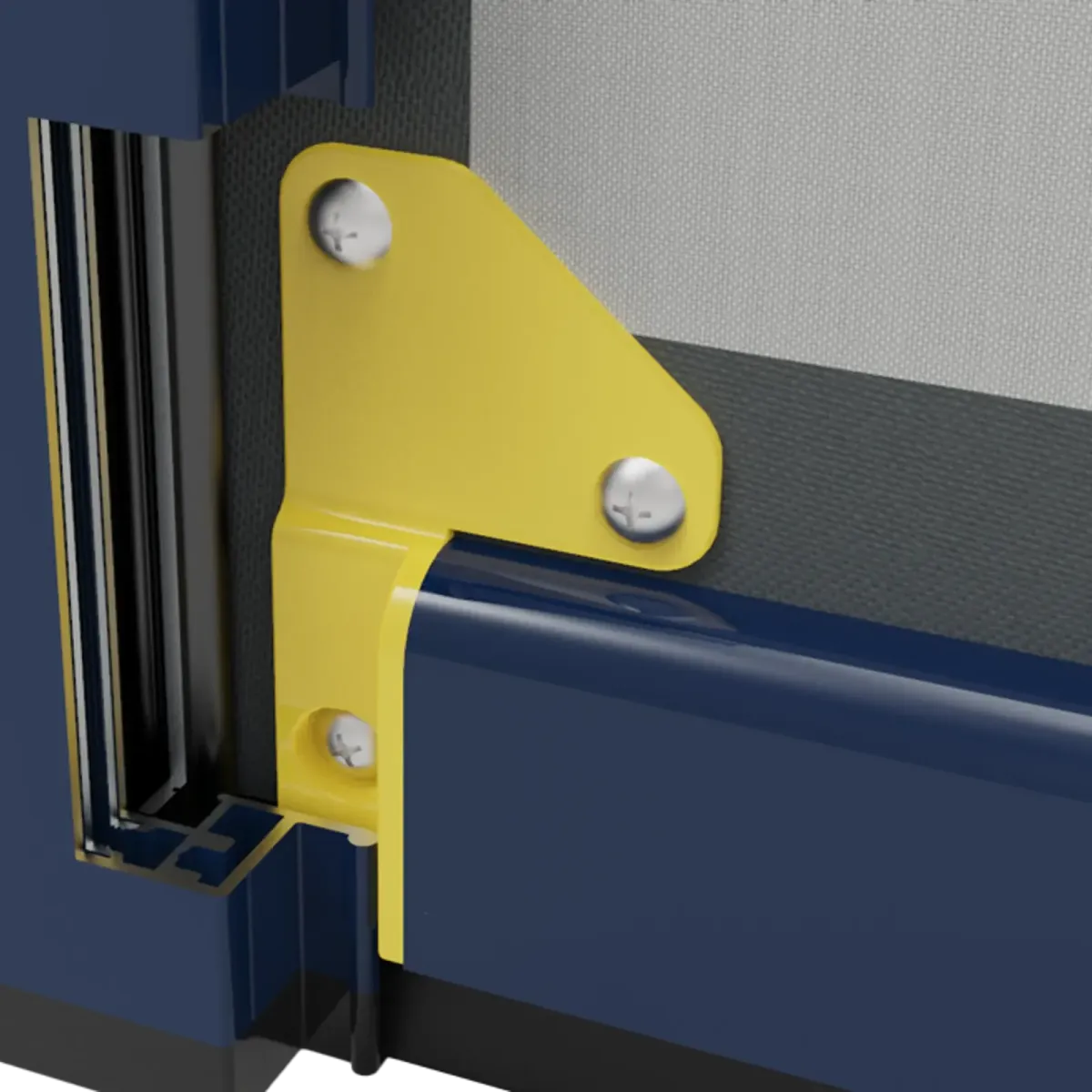
Recognizing that screen wear is most prominent at the corner where the weight bar and screen meet, One-Track engineers designed a robust and flexible guide made of toughened nylon. This innovative design reinforces the corner connection, extending the screen's lifespan,
.
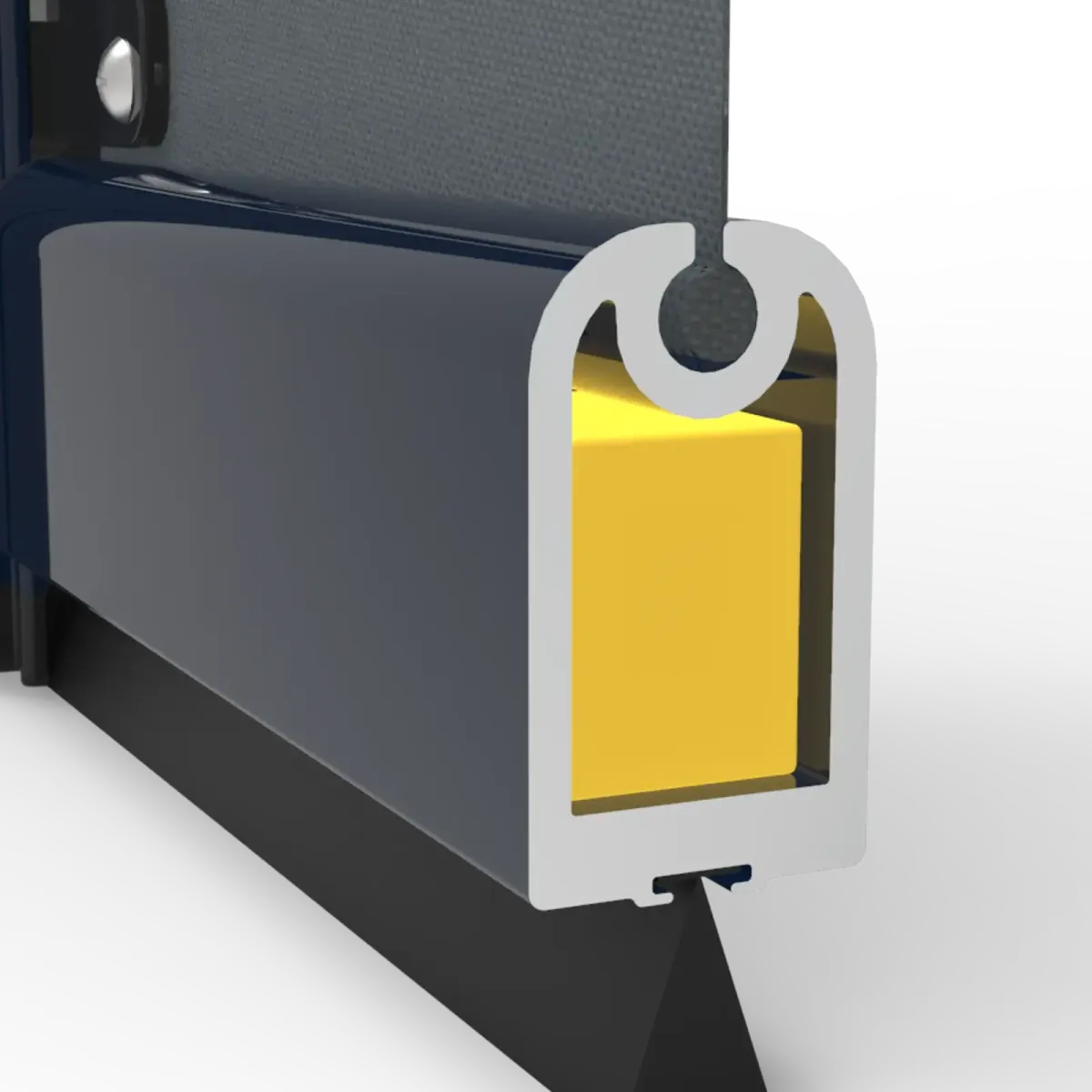
One-Track offers a well-engineered, low-profile standard weight bar suitable for installations in low-wind areas. When rolled up, it minimizes visibility in storage. For locations with higher wind exposure, a heavier-weight bar can be specified as needed.
.
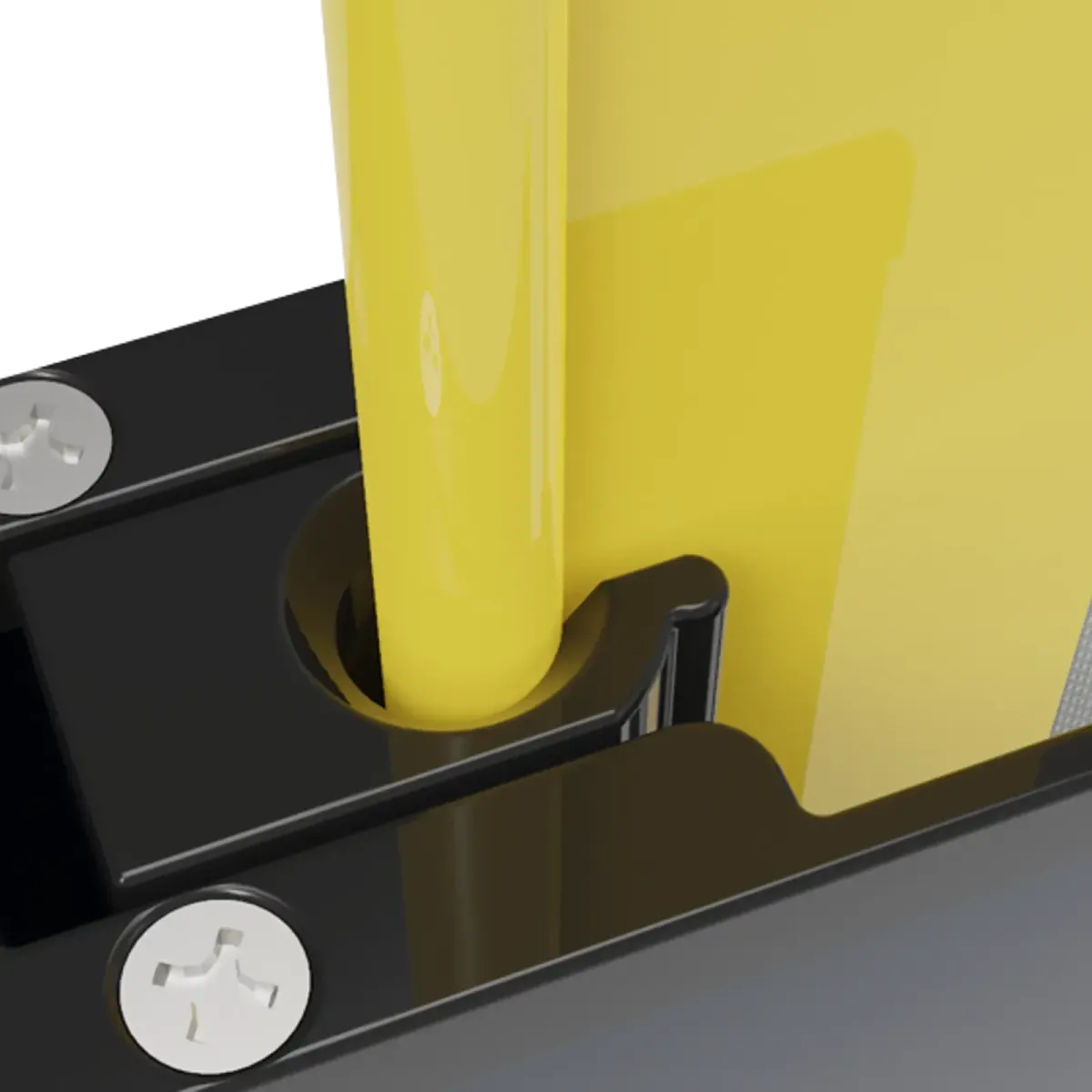
One-Track as the first to employ keder-edged screens, opted against zippers, known for potential issues. Keder's smooth, durable design avoids past failures.
.
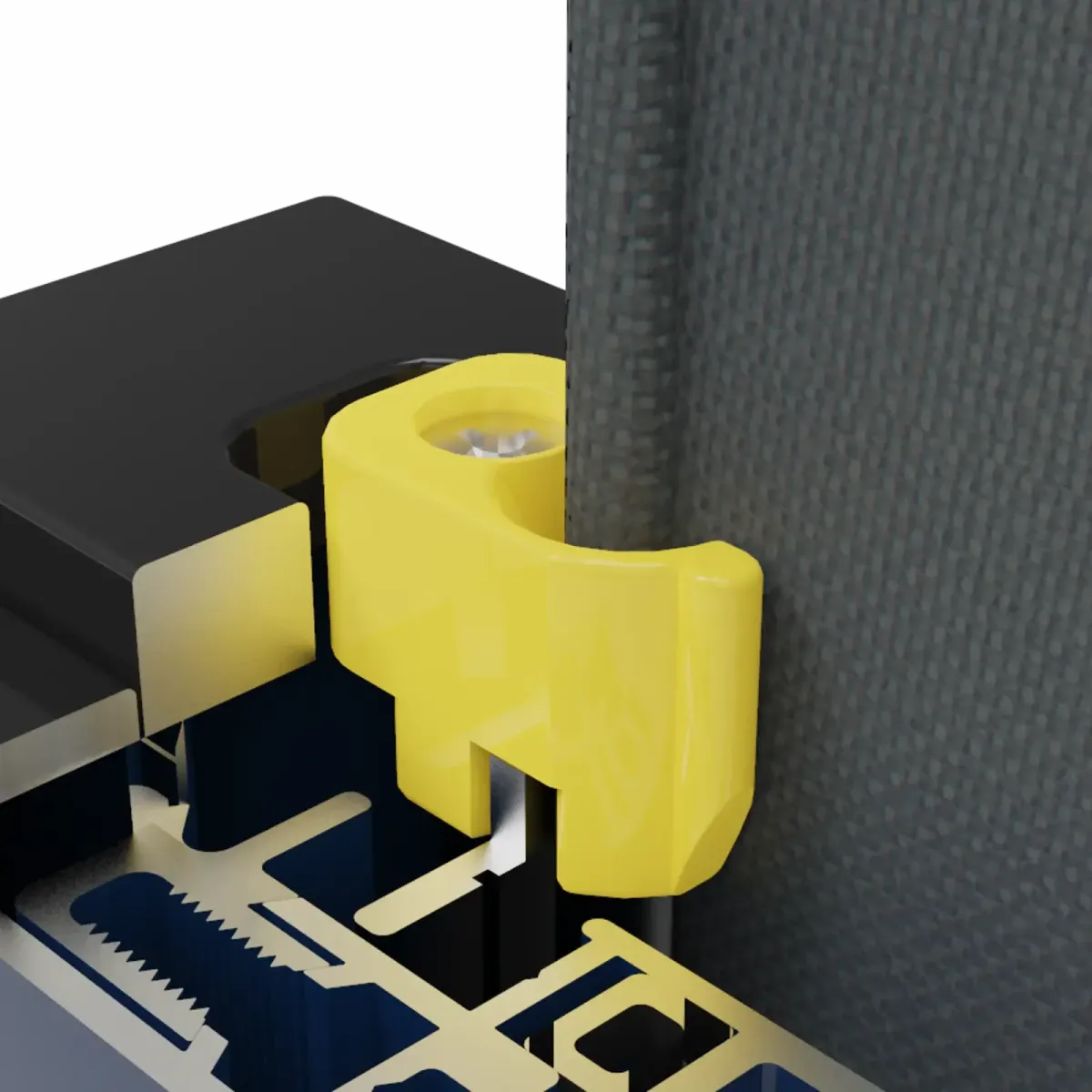
One-Track retractable screens are designed to never come out of their tracks. The screen pre-feeder facilitates a smooth transition from the reel to the side track. Smart motors instantly halt the downward motion of the screen, preventing it from dislodging from the tracks.
.
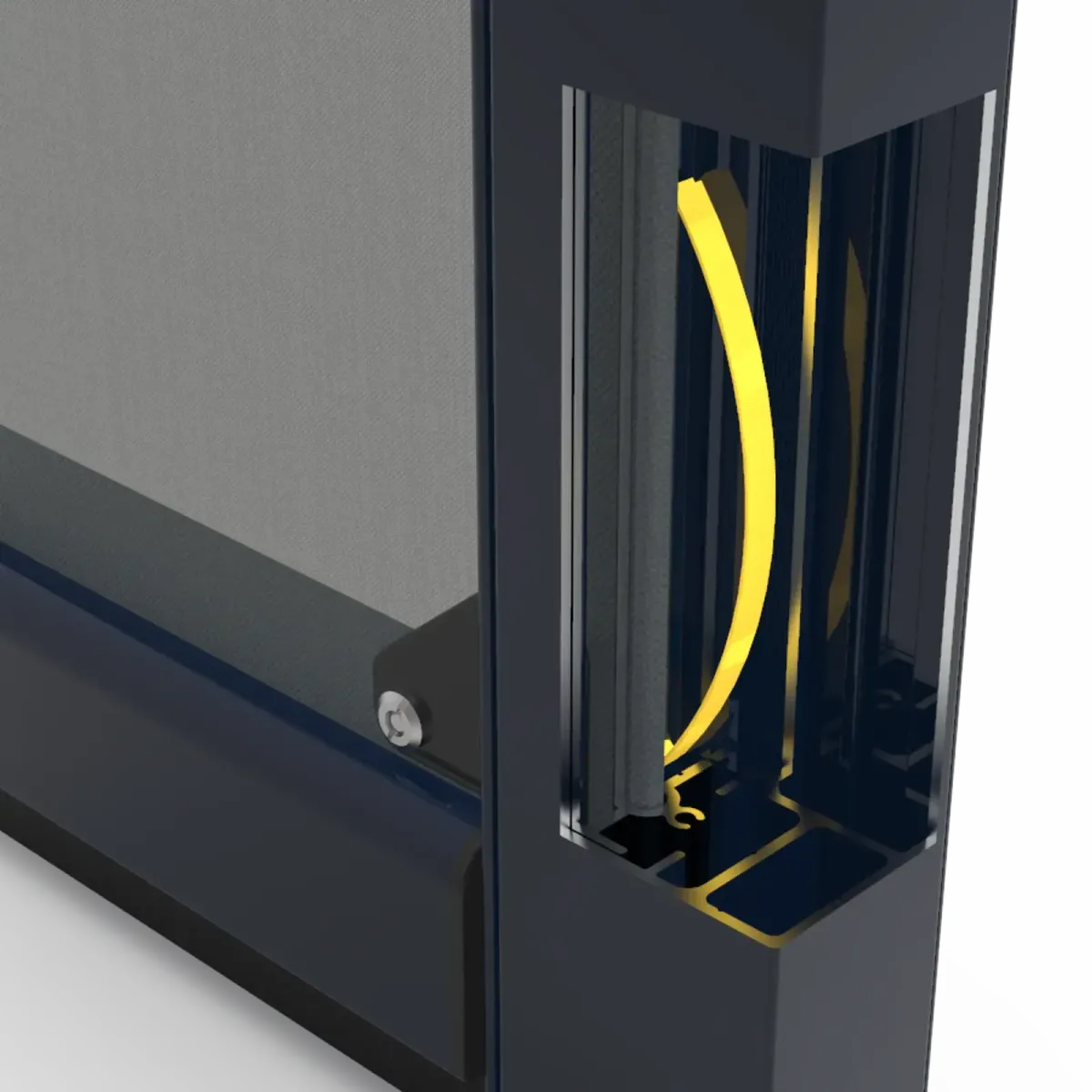
One-Track employs a unique spring-based tensioning system that ensures nearly silent operation of the screens. This technology prioritizes a quiet and comfortable outdoor experience. Think of it like shock absorbers in a car - It's the springs that give you a quiet, comfortable ride.
.
ONE-TRACK THE #1 MOTORIZED INSECT AND SHADE SCREENS
Contact A+ Certified One-Track Screen Dealer Today...
ONE-TRACK THE #1 MOTORIZED
HURRICANE SCREEN
Contact A+ Certified
One-Track Screen
Dealer Today...
THE ONE-TRACK DIFFERENCE
One-Track Screen
AMERICAN INGENUITY
Made in the USA.
Proudly Made in the USA—every One-Track screen is built with American strength, precision, and pride. From the smallest components to the final assembly, our materials are sourced and manufactured right here in the United States. No outsourcing. No compromises. Just hardworking Americans protecting American homes with the toughest screen system on the market.
THE ONE-TRACK DIFFERENCE
One-Track Hurricane Screen
AMERICAN INGENUITY
Made in the USA.
Proudly Made in the USA—every One-Track screen is built with American strength, precision, and pride. From the smallest components to the final assembly, our materials are sourced and manufactured right here in the United States. No outsourcing. No compromises. Just hardworking Americans protecting American homes with the toughest screen system on the market.
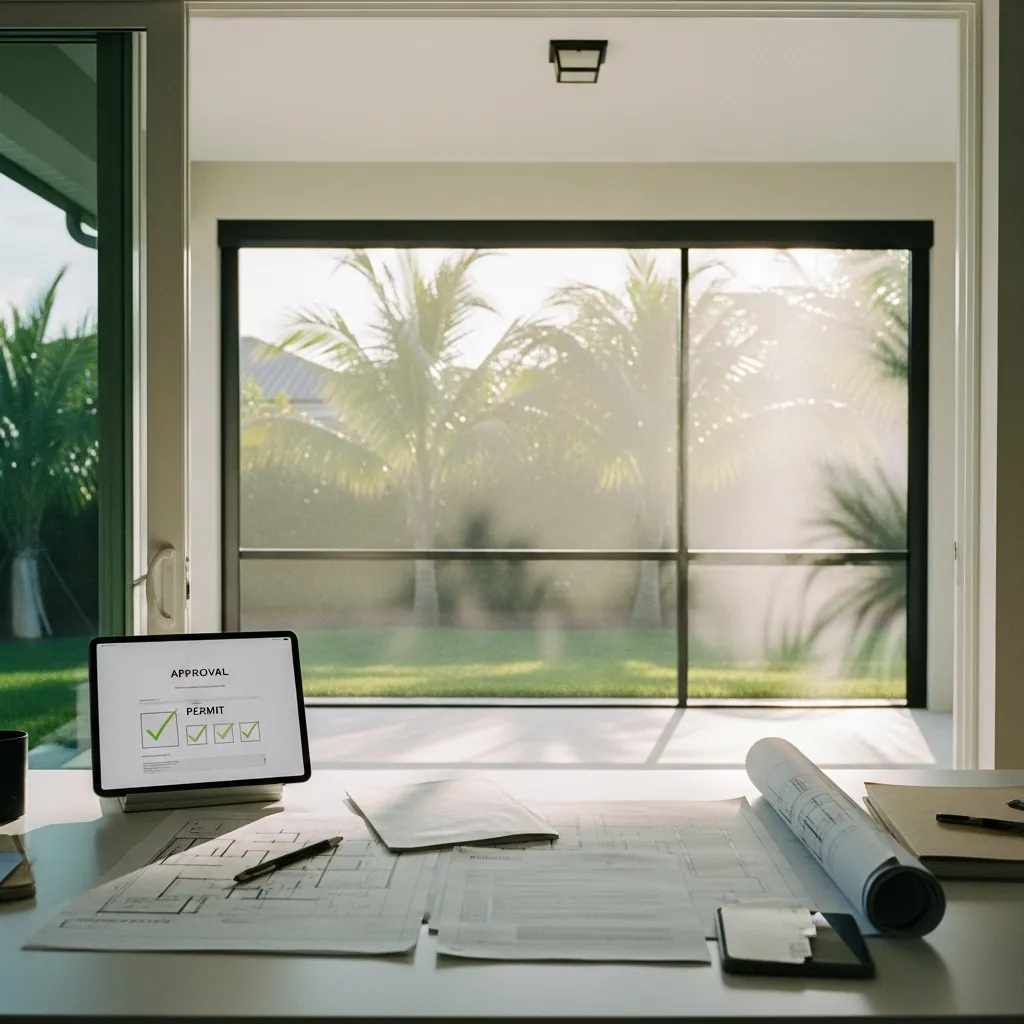
PERMITS & PAPERWORK
Permits & Paperwork: Navigating the Bureaucracy Before the Spring Rush Clogs the System
If the Great Defrost is the window of opportunity, then bureaucracy is the dust on the glass.
Most homeowners think of a patio screen installation as a physical act—the drilling of tracks, the mounting of housings, the wiring of motors. They visualize the gleaming finish of the frames and the smooth glide of the mesh. But for many, the physical act cannot begin until the "paper act" is complete. Patio screen permits, HOA approval outdoor project requirements, and zoning for patio enclosures are the invisible hurdles that can turn a three-week project into a three-month ordeal. These administrative steps are the gatekeepers of your summer comfort.
In February, the local building department is just like the contractor’s office: quiet. The halls are empty, and the permit technicians are looking for files to process. In May, however, the permit office becomes a swamp of applications for pools, decks, and massive home additions. This is the building department spring rush that traps the unprepared. If you wait until the first bird chirps to submit your paperwork, you aren't just waiting on a contractor; you are waiting on a government employee with a stack of files two feet high, struggling to manage permit lead times that have tripled overnight.
Understanding the patio screen project schedule means realizing that a signature is just as vital as a screwdriver. When you act during the quiet months, you ensure that contractor paperwork help is readily available and that your application doesn't get buried in the pile. You are effectively clearing the path so that when the ground thaws, your only focus is the transformation of your home.
Explore how early planning ensures a seamless transition—visit the One-Track homepage.
The HOA Hurdles: Why February is Your Best Friend
If you live in a community with a Homeowners Association, you know the board doesn't move with "summer speed." They operate on a deliberate, often glacial, cycle. Most boards meet only once a month, and their agendas are packed with landscaping disputes and budget reviews. They have specific, rigid requirements for color, height, and "visual impact" that can stop a project in its tracks.
If your application for HOA approval outdoor project status is missing even one minor detail—a fabric sample, a site map, or a spec sheet—it gets kicked to the next month’s meeting. Starting in February gives you the "correction buffer." It allows you to fail early and recover quickly. If the board has questions about how One-Track screens look when retracted, you have the time to provide high-resolution photos from the Gallery & Ideas page to prove they are virtually invisible and won't disrupt the community aesthetic.
Navigating zoning for patio enclosures through an HOA requires a storyteller’s touch and a technician’s precision. By submitting your plans now, you aren't rushing the board; you are giving them the respect of time. You can answer their questions about motorized screen lead times and material durability without the frantic energy of a looming construction date. By the time the HOA board is overwhelmed with a hundred different pool fence requests in April, your approval is already in your pocket, signed and sealed.
Zoning and the "Spring Clog"
Building departments are, by their very nature, seasonal businesses. They mirror the heartbeat of the construction industry. In the dead of winter, they are processing indoor renovations and basement finishes—low-volume, predictable work. But in the spring, the "Clog" begins. Every outdoor project in the county, from the smallest shed to the most expansive residential solutions, hits their desk at once.
A permit that takes five days to approve in February can easily take five weeks in June. This is the building department spring rush in action. It is a mathematical bottleneck that no amount of wishing can bypass. Navigating these bureaucratic hurdles early ensures that when your customized system is ready to be installed, the city isn't the thing standing in your way. You are effectively "buying" time when it is cheapest to do so.
When you understand how to get HOA approval for motorized screens and municipal permits simultaneously, you eliminate the friction that bogs down your neighbors. You want your installer's only job to be the installation—not chasing down a clerk for a signature while the summer sun is beating down on an empty patio. By handling zoning for patio enclosures while the office is quiet, you ensure your project is at the front of the line, ready for the first available installation window.
Find out how One-Track residential solutions are designed to meet local standards.
Engineering Docs and Precision
High-quality systems like One-Track often require specific engineering data for patio screen permits—wind load ratings, electrical requirements, and mounting specs. This isn't just "red tape"; it’s about ensuring the safety and longevity of your investment. One-Track technology is engineered to the highest standards, featuring the patented Quiet Spring Technology and the Lock Tight Keder system, but you still need to get that data into the hands of the right people.
February is the ideal time to gather these "boring" but essential documents. Your dealer can provide the technical specs for the patio screen project schedule without the stress of a looming deadline. When you provide the building department with professional, detailed engineering docs, you reduce the likelihood of a "request for information" that delays your project by weeks. You are speaking the language of the inspectors before they are too tired to listen.
Precision in paperwork leads directly to speed in execution. By detailing your smart home integration plans and electrical needs now, you ensure the permit covers every aspect of the build. Whether it’s patio screen permits or HOA approval outdoor project specs, having the engineering data ready shows that you are a serious homeowner with a serious plan. It turns a complicated approval process into a simple formality.
Understand the engineering that sets us apart—Why One-Track.
The Cost of a "Stop Work" Order
There is nothing more expensive than a project that starts without a permit and gets shut down mid-way. Imagine the scene: the tracks are halfway up, the sun is shining, and a city inspector pulls into your driveway because a neighbor called or they saw the truck. The "Stop Work" order is a summer-killer. The fines are one thing; the delay is another.
If a project is halted in June because of patio screen permits issues, you might not get it back on the schedule until August. The contractor moves on to the next "legal" job, and you are left with a half-finished patio and a looming legal headache. By handling the patio screen project schedule logistics now, you are buying insurance against this worst-case scenario. You are ensuring that "The First Day" of summer is spent on your patio, not in a lawyer’s office or a city council meeting.
Don't let a "Missing Signature" steal your summer. When you plan your smart home integration logistics now, you are vetting the electrical and structural requirements ahead of time. You are ensuring that every part of the HOA approval outdoor project is documented. It’s about peace of mind. It’s about knowing that when the screens go down for the first time, they are there to stay, fully backed by the law and your community.
The Professional Advantage
Dealers and installers love homeowners who handle paperwork early. It makes their job significantly easier and allows them to manage their motorized screen lead times with total confidence. When you show a dealer that you already have your HOA approval outdoor project letter or your city permit in hand, you move to the top of their "Preferred" list.
You aren't just a lead; you are a "green light" project. In a world of "maybes" and "waiting-on-the-board" clients, be the homeowner who is a "definitely." This professional advantage often translates into better installation dates because the dealer knows they won't have to reschedule you due to a permit delay. They can slot you into that first week of May because the patio screen permits are already in the folder.
Take the time to customize your screen options so you can include the exact specifications, colors, and dimensions in your permit application today. When you provide the board with a clear vision of your Gallery & Ideas inspired project, you make it easy for them to say yes. You are providing them with a professional package that reflects the quality of the One-Track system.
The Peace of the Paper-Free Summer
Imagine the feeling of May’s arrival. The air is warm, the trees are budding, and you feel the first true pull toward the outdoors. You look at your patio and see that the permit is already taped to the window. The HOA has sent their "Approved" letter months ago. The contractor has the green light, and your materials are already staged in the warehouse.
You have no more "administrative" tasks left. Your only job is to watch the screens go up and the summer begin. Bureaucracy is only a hurdle if you try to jump it at the same time as everyone else. By handling patio screen permits and HOA approval outdoor project details in the off-season, you've already won. You’ve navigated the building department spring rush before it even started.
Handle it in the off-season, and the paperwork becomes a non-issue. It becomes a distant memory of a productive February. This is the ultimate payoff of the Great Defrost: the ability to sit back and enjoy the "First Day" without a single worry about zoning or board meetings. Start your summer on schedule and leave the "Spring Clog" to the neighbors who waited.

PERMITS & PAPERWORK
Permits & Paperwork: Navigating the Bureaucracy Before the Spring Rush Clogs the System
If the Great Defrost is the window of opportunity, then bureaucracy is the dust on the glass.
Most homeowners think of a patio screen installation as a physical act—the drilling of tracks, the mounting of housings, the wiring of motors. They visualize the gleaming finish of the frames and the smooth glide of the mesh. But for many, the physical act cannot begin until the "paper act" is complete. Patio screen permits, HOA approval outdoor project requirements, and zoning for patio enclosures are the invisible hurdles that can turn a three-week project into a three-month ordeal. These administrative steps are the gatekeepers of your summer comfort.
In February, the local building department is just like the contractor’s office: quiet. The halls are empty, and the permit technicians are looking for files to process. In May, however, the permit office becomes a swamp of applications for pools, decks, and massive home additions. This is the building department spring rush that traps the unprepared. If you wait until the first bird chirps to submit your paperwork, you aren't just waiting on a contractor; you are waiting on a government employee with a stack of files two feet high, struggling to manage permit lead times that have tripled overnight.
Understanding the patio screen project schedule means realizing that a signature is just as vital as a screwdriver. When you act during the quiet months, you ensure that contractor paperwork help is readily available and that your application doesn't get buried in the pile. You are effectively clearing the path so that when the ground thaws, your only focus is the transformation of your home.
Explore how early planning ensures a seamless transition—visit the One-Track homepage.
The HOA Hurdles: Why February is Your Best Friend
If you live in a community with a Homeowners Association, you know the board doesn't move with "summer speed." They operate on a deliberate, often glacial, cycle. Most boards meet only once a month, and their agendas are packed with landscaping disputes and budget reviews. They have specific, rigid requirements for color, height, and "visual impact" that can stop a project in its tracks.
If your application for HOA approval outdoor project status is missing even one minor detail—a fabric sample, a site map, or a spec sheet—it gets kicked to the next month’s meeting. Starting in February gives you the "correction buffer." It allows you to fail early and recover quickly. If the board has questions about how One-Track screens look when retracted, you have the time to provide high-resolution photos from the Gallery & Ideas page to prove they are virtually invisible and won't disrupt the community aesthetic.
Navigating zoning for patio enclosures through an HOA requires a storyteller’s touch and a technician’s precision. By submitting your plans now, you aren't rushing the board; you are giving them the respect of time. You can answer their questions about motorized screen lead times and material durability without the frantic energy of a looming construction date. By the time the HOA board is overwhelmed with a hundred different pool fence requests in April, your approval is already in your pocket, signed and sealed.
Zoning and the "Spring Clog"
Building departments are, by their very nature, seasonal businesses. They mirror the heartbeat of the construction industry. In the dead of winter, they are processing indoor renovations and basement finishes—low-volume, predictable work. But in the spring, the "Clog" begins. Every outdoor project in the county, from the smallest shed to the most expansive residential solutions, hits their desk at once.
A permit that takes five days to approve in February can easily take five weeks in June. This is the building department spring rush in action. It is a mathematical bottleneck that no amount of wishing can bypass. Navigating these bureaucratic hurdles early ensures that when your customized system is ready to be installed, the city isn't the thing standing in your way. You are effectively "buying" time when it is cheapest to do so.
When you understand how to get HOA approval for motorized screens and municipal permits simultaneously, you eliminate the friction that bogs down your neighbors. You want your installer's only job to be the installation—not chasing down a clerk for a signature while the summer sun is beating down on an empty patio. By handling zoning for patio enclosures while the office is quiet, you ensure your project is at the front of the line, ready for the first available installation window.
Find out how One-Track residential solutions are designed to meet local standards.
Engineering Docs and Precision
High-quality systems like One-Track often require specific engineering data for patio screen permits—wind load ratings, electrical requirements, and mounting specs. This isn't just "red tape"; it’s about ensuring the safety and longevity of your investment. One-Track technology is engineered to the highest standards, featuring the patented Quiet Spring Technology and the Lock Tight Keder system, but you still need to get that data into the hands of the right people.
February is the ideal time to gather these "boring" but essential documents. Your dealer can provide the technical specs for the patio screen project schedule without the stress of a looming deadline. When you provide the building department with professional, detailed engineering docs, you reduce the likelihood of a "request for information" that delays your project by weeks. You are speaking the language of the inspectors before they are too tired to listen.
Precision in paperwork leads directly to speed in execution. By detailing your smart home integration plans and electrical needs now, you ensure the permit covers every aspect of the build. Whether it’s patio screen permits or HOA approval outdoor project specs, having the engineering data ready shows that you are a serious homeowner with a serious plan. It turns a complicated approval process into a simple formality.
Understand the engineering that sets us apart—Why One-Track.
The Cost of a "Stop Work" Order
There is nothing more expensive than a project that starts without a permit and gets shut down mid-way. Imagine the scene: the tracks are halfway up, the sun is shining, and a city inspector pulls into your driveway because a neighbor called or they saw the truck. The "Stop Work" order is a summer-killer. The fines are one thing; the delay is another.
If a project is halted in June because of patio screen permits issues, you might not get it back on the schedule until August. The contractor moves on to the next "legal" job, and you are left with a half-finished patio and a looming legal headache. By handling the patio screen project schedule logistics now, you are buying insurance against this worst-case scenario. You are ensuring that "The First Day" of summer is spent on your patio, not in a lawyer’s office or a city council meeting.
Don't let a "Missing Signature" steal your summer. When you plan your smart home integration logistics now, you are vetting the electrical and structural requirements ahead of time. You are ensuring that every part of the HOA approval outdoor project is documented. It’s about peace of mind. It’s about knowing that when the screens go down for the first time, they are there to stay, fully backed by the law and your community.
The Professional Advantage
Dealers and installers love homeowners who handle paperwork early. It makes their job significantly easier and allows them to manage their motorized screen lead times with total confidence. When you show a dealer that you already have your HOA approval outdoor project letter or your city permit in hand, you move to the top of their "Preferred" list.
You aren't just a lead; you are a "green light" project. In a world of "maybes" and "waiting-on-the-board" clients, be the homeowner who is a "definitely." This professional advantage often translates into better installation dates because the dealer knows they won't have to reschedule you due to a permit delay. They can slot you into that first week of May because the patio screen permits are already in the folder.
Take the time to customize your screen options so you can include the exact specifications, colors, and dimensions in your permit application today. When you provide the board with a clear vision of your Gallery & Ideas inspired project, you make it easy for them to say yes. You are providing them with a professional package that reflects the quality of the One-Track system.
The Peace of the Paper-Free Summer
Imagine the feeling of May’s arrival. The air is warm, the trees are budding, and you feel the first true pull toward the outdoors. You look at your patio and see that the permit is already taped to the window. The HOA has sent their "Approved" letter months ago. The contractor has the green light, and your materials are already staged in the warehouse.
You have no more "administrative" tasks left. Your only job is to watch the screens go up and the summer begin. Bureaucracy is only a hurdle if you try to jump it at the same time as everyone else. By handling patio screen permits and HOA approval outdoor project details in the off-season, you've already won. You’ve navigated the building department spring rush before it even started.
Handle it in the off-season, and the paperwork becomes a non-issue. It becomes a distant memory of a productive February. This is the ultimate payoff of the Great Defrost: the ability to sit back and enjoy the "First Day" without a single worry about zoning or board meetings. Start your summer on schedule and leave the "Spring Clog" to the neighbors who waited.

COMPANY
QUICK LINKS
LEGAL
FOLLOW US


© 2025 One Track - Powered by Fenetex and Friends of Oatis | Privacy Policy | Terms of Service
COMPANY
QUICK LINKS
LEGAL
FOLLOW US
© 2025 One-Track | A Fenetex Corporation Product. All Rights Reserved