ONE-TRACK MOTORIZED SCREEN
Why One-Track

ONE-TRACK MOTORIZED SCREEN
Why One-Track
ONE-TRACK PROVEN DEPENDABILITY
Engineered For Excellence
One-Track introduced the patented quiet spring technology, the core of our One-Track system, nearly a decade ago.
We’ve crafted the perfect self-adjusting screen system that operates beautifully silently when deployed, ensures frustration-free operation, and can be used in almost any weather condition.
While others have experimented with alternative methods to achieve the advantages of our One-Track screens, none have achieved the unique combination of near-silence, ease of operation, affordability, high reliability, and exceptional dependability.
The real problem with most motorized screens
Most motorized screens fail for predictable reasons. Zippers snag. Cables stretch. Tracks shift. Motors strain.
What starts as a premium upgrade quickly turns into:
Screens that jam or tangle
Gaps that let bugs and wind in
Constant service calls and repairs
You shouldn't have to "babysit" your outdoor upgrade.
That's exactly why One-Track was built differently.
CONE-TRACK PROVEN PROTECT
Engineered For Excellence
For nearly two decades, One-Track has manufactured hurricane screens to meet the most demanding building code, the High Velocity Hurricane Zone of Miami-Dade. The One-Track is our newest version of the fixed track we have used with great success for high wind applications all over the globe.
The benefits of a fixed track are unmatched strength - this is important when designing a screen system for hurricanes. When you want the strongest system available, and a proven veteran of many hurricanes, the One-Track Screen is your best choice.
The real problem with most motorized screens
Most motorized screens fail for predictable reasons. Zippers snag. Cables stretch. Tracks shift. Motors strain.
What starts as a premium upgrade quickly turns into:
Screens that jam or tangle
Gaps that let bugs and wind in
Constant service calls and repairs
You shouldn't have to "babysit" your outdoor upgrade.
That's exactly why One-Track was built differently.
ONE-TRACK THE #1 MOTORIZED INSECT AND SHADE SCREEN
Contact A+ Certified One-Track Screen Dealer Today...
ONE-TRACK THE #1 MOTORIZED
HURRICANE SCREEN
Contact A+ Certified
One-Track Screen
Dealer Today...
ONE-TRACK MOTORIZED SCREENS
Engineering Features
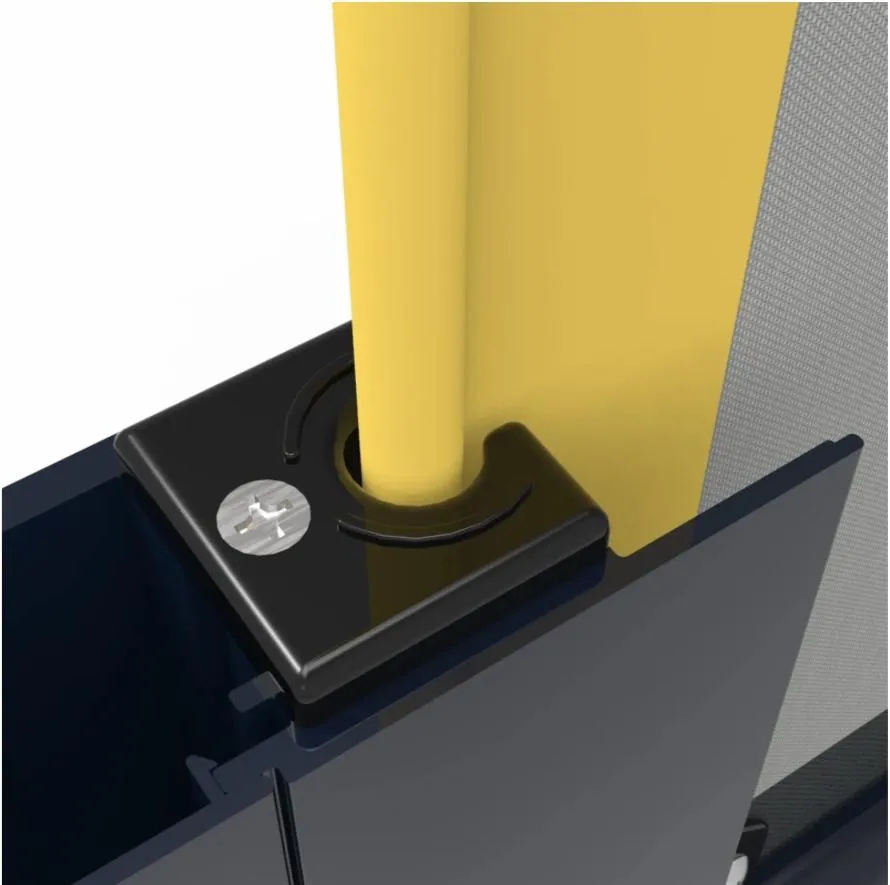
No blowouts. No rewraps. No frustration.
One-Track is the only retractable screen system on the market designed to stay locked in the track—even in high winds. Smart motor senses resistance and adjusts seamlessly, allowing self-correction when the screen encounters an obstacle: Fewer snags, fewer jams, and fewer costly service calls.
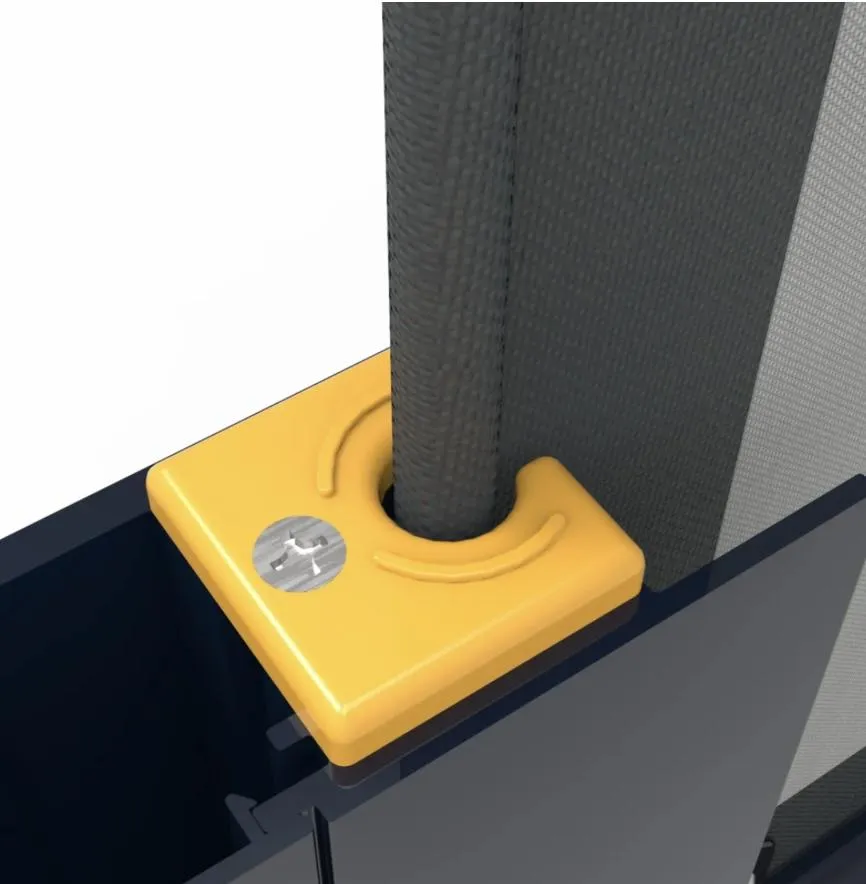
No Zipper. No Cable. Just Simple Deployment
One-Track pioneered Keder-edge technology in motorized screens, delivering unmatched durability and simplicity. Borrowed from sailboat rigging, this system eliminates zippers, cables, and exposed hardware—ensuring smooth, reliable operation every time.
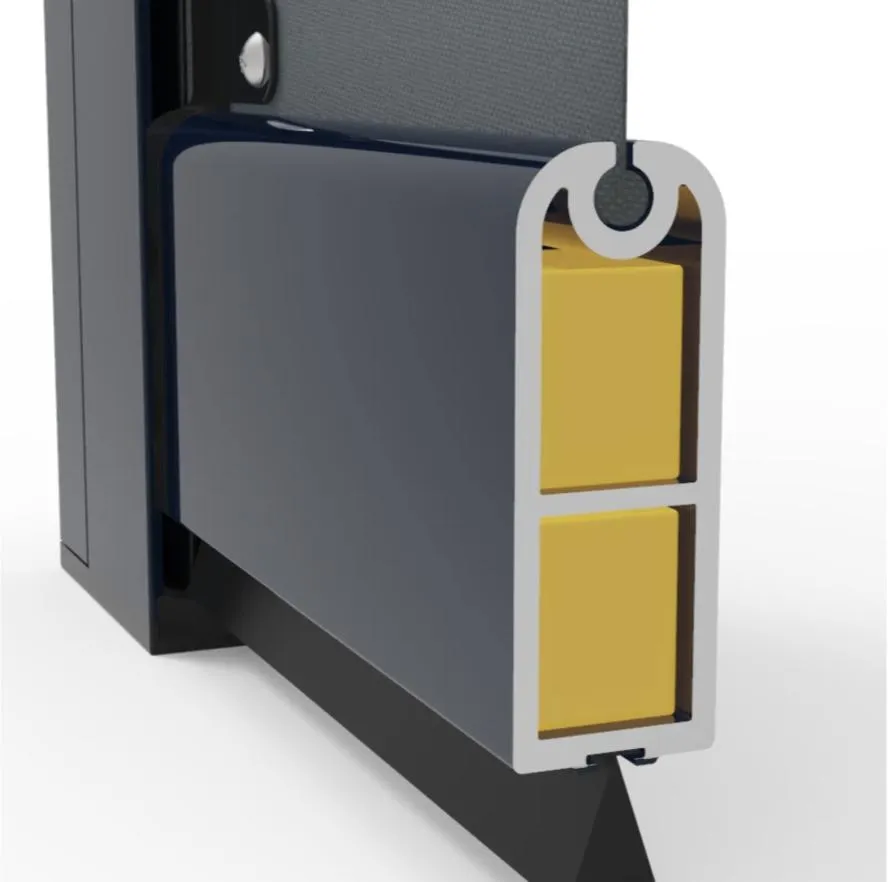
Heavy Duty
The One-Track weight bar is engineered for strength—and built to hold its ground. Pound for pound, it’s the heaviest and most robust weight bar in the industry. This ensures proper screen tension, flawless deployment, and maximum stability in high wind —limited flex, no failure.
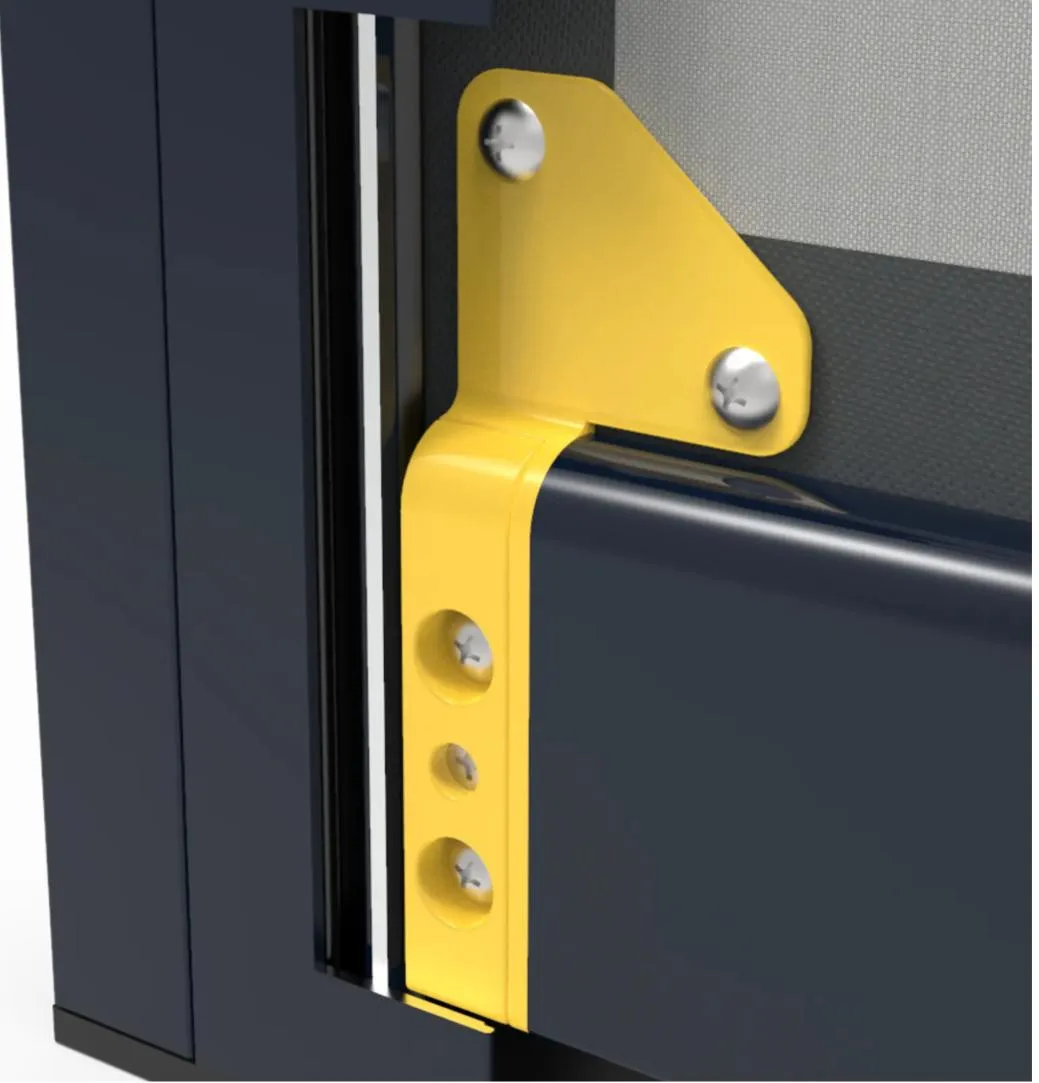
Reinforced Corners
One-Track’s heavy-duty weight bar isn’t just strong. It’s smart. Reinforced corners and integrated tie-ins create a unified structure that acts like a solid wall of protection when deployed. Made from high-strength nylon, this bar absorbs impacts while maintaining structural integrity.
ONE-TRACK HURRICANE SCREENS
Engineering Features
No blowouts. No rewraps. No frustration.
One-Track is the only retractable screen system on the market designed to stay locked in the track—even in high winds. Smart motor senses resistance and adjusts seamlessly, allowing self-correction when the screen encounters an obstacle: Fewer snags, fewer jams, and fewer costly service calls.
No Zipper. No Cable. Just Simple Deployment
One-Track pioneered Keder-edge technology in motorized screens, delivering unmatched durability and simplicity. Borrowed from sailboat rigging, this system eliminates zippers, cables, and exposed hardware—ensuring smooth, reliable operation every time.
Heavy Duty
The One-Track weight bar is engineered for strength—and built to hold its ground. Pound for pound, it’s the heaviest and most robust weight bar in the industry. This ensures proper screen tension, flawless deployment, and maximum stability in high wind zones. —limited flex, no failure.
Reinforced Corners
OneTrack’s heavy-duty weight bar isn’t just strong. It’s smart. Reinforced corners and integrated tie-ins create a unified structure that acts like a solid wall of protection when deployed. Made from high-strength nylon, this bar absorbs impacts while maintaining structural integrity.

HEADACHE-FREE
Exclusive self-tensioning system eliminates 99.9% of screen issues. No track adjustments, broken zippers,or dislodged screens.

LIFETIME WARRANTY
No other company can stand behind their products like One-Track can because no other company can match our quality.

BUILT TO LAST
We use marine-grade materials such as powder-coated aluminum, UV-protected nylons, stainless steel fasteners, and premium fabrics. Resists corrosion, rust, and screen failure.

COST-SAVING
Exterior shade screens reduce cooling bills and One-Track screens reduce insurance premiums in hurricane zones.

SMART CONTROLS
Control One-Track screens via remote and phone or integrate with popular home automation systems for advanced capabilities.

MAX CORROSION PROTECTION
Powder Coated Aluminum Protects your investment from exposer and corrosion.

HEAVY-DUTY DESIGN
Our screens are designed to withstand the extreme. High wind, rain, or shine, dust dirt, dander, it doesn't matter. One-Track covers it all.

CUSTOM-MADE SCREENS
Tailor-made screens with vast color,
fabric, and system options. Custom paint color and fabric matching are available.
ONE-TRACK THE #1 MOTORIZED
HURRICANE SCREEN
Contact A+ Certified
One-Track Screen
Dealer Today...
HEADACHE-FREE
Exclusive self-tensioning system eliminates 99.9% of screen issues. No track adjustments, broken zippers,or dislodged screens.
LIFETIME WARRANTY
No other company can stand behind their products like One-Track can because no other company can match our quality.
CUSTOM-MADE SCREENS
Tailor-made screens with vast color, fabric, and system options. Custom paint color and fabric matching are available.
BUILT TO LAST
We use marine-grade materials such as powder-coated aluminum, UV-protected nylons, stainless steel fasteners, and premium fabrics. Resists corrosion, rust, and screen failure.
COST-SAVING
Exterior shade screens reduce cooling bills and protect against skin and furniture Damage caused by excessive UV Rays.
SMART CONTROLS
Control One-Track screens via remote and phone or integrate with popular home automation systems for advanced capabilities.
MAX CORROSION PROTECTION
Powder Coated Aluminum Protects your investment from exposer and corrosion.
HEAVY-DUTY DESIGN
Our screens are designed to withstand Mother Nature's daily abuse. High wind, rain, or shine, dust dirt, dander, it doesn't matter. One-Track covers it all.
ONE-TRACK THE #1 MOTORIZED INSECT AND SHADE SCREEN
Contact A+ Certified One-Track Screen Dealer Today...
ONE-TRACK
Ready For Life's Storms
LOCK TIGHT - KEDER TECHNOLOGY
Good bye Zipper Track System
When others relied on outdated zipper systems, One-Track pioneered a breakthrough. Our Lock Tight Keder technology transformed the industry by delivering what zippers couldn't: unmatched strength, flawless operation, and built-to-last reliability.
Years of proven performance speak for themselves. Lock Tight Keder provides superior wind resistance, effortless functionality, and the durability you need for long-term peace of mind.
Lock Tight Side Retention
Prevent Screen Hangups
Prevent Jams
Prevent Snaggs
Prevent Rewraps.
ONE-TRACK
Ready For Life's Storms
LOCK TIGHT - KEDER TECHNOLOGY
Good bye Zipper Track System
When others relied on outdated zipper systems, One-Track pioneered a breakthrough. Our Lock Tight Keder technology transformed the industry by delivering what zippers couldn't: unmatched strength, flawless operation, and built-to-last reliability.
Years of proven performance speak for themselves. Lock Tight Keder provides superior wind resistance, effortless functionality, and the durability you need for long-term peace of mind.
• Lock Tight Side Retention
• Prevent Screen Hangups
• Prevent Jams
• Prevent Snaggs
• Prevent Rewraps.
ONE-TRACK THE #1 MOTORIZED MOTORIZED INSECT AND SHADE SCREEN
Contact A+ Certified One-Track Screen Dealer Today...
ONE-TRACK THE #1 MOTORIZED
HURRICANE SCREEN
Contact A+ Certified
One-Track Screen
Dealer Today...
THE ONE-TRACK DIFFERENCE
Eliminates All Services Call, Fix Track and Zippers Systems
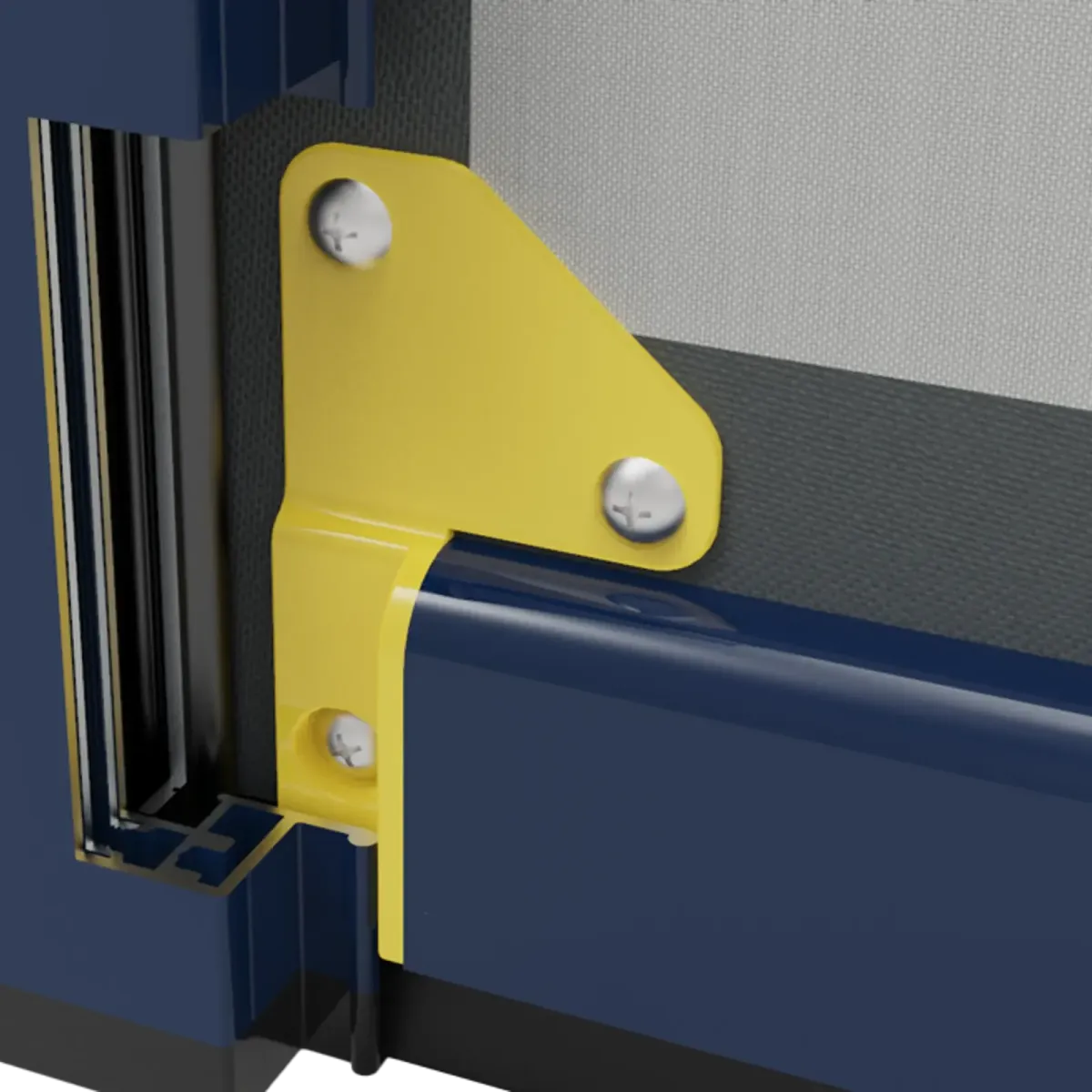
Recognizing that screen wear is most prominent at the corner where the weight bar and screen meet, One-Track engineers designed a robust and flexible guide made of toughened nylon. This innovative design reinforces the corner connection, extending the screen's lifespan,
.
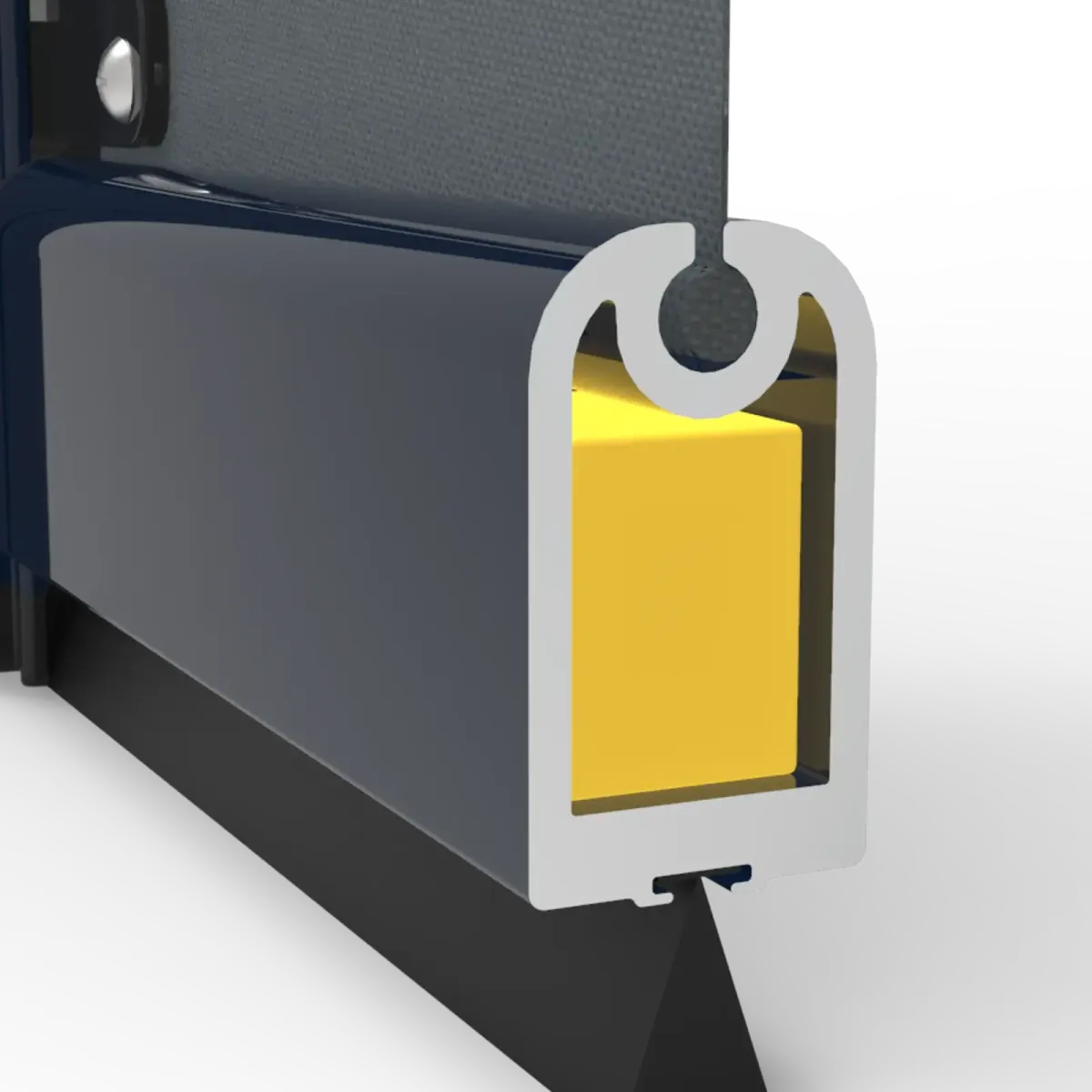
One-Track offers a well-engineered, low-profile standard weight bar suitable for installations in low-wind areas. When rolled up, it minimizes visibility in storage. For locations with higher wind exposure, a heavier-weight bar can be specified as needed.
.
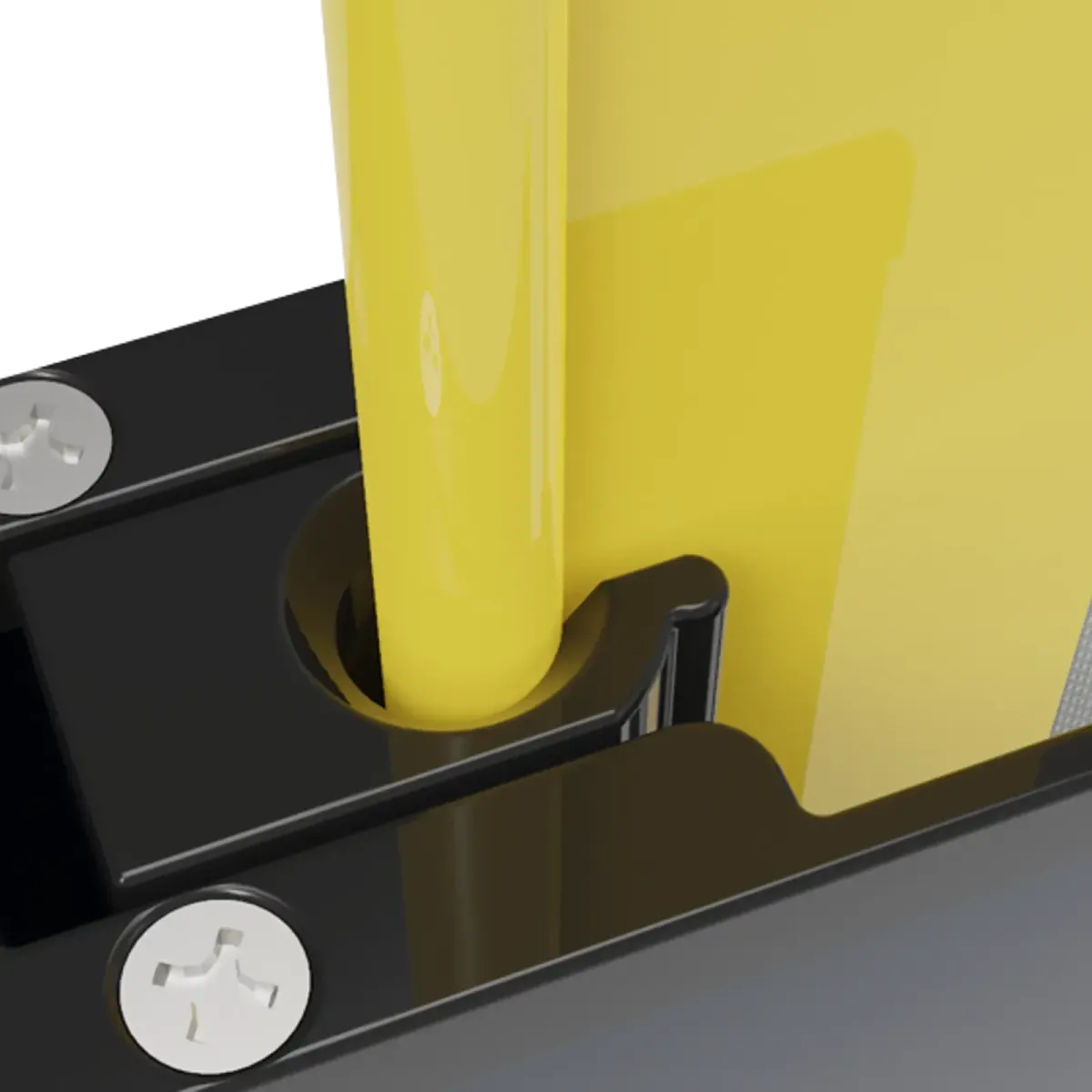
One-Track as the first to employ keder-edged screens, opted against zippers, known for potential issues. Keder's smooth, durable design avoids past failures.
.
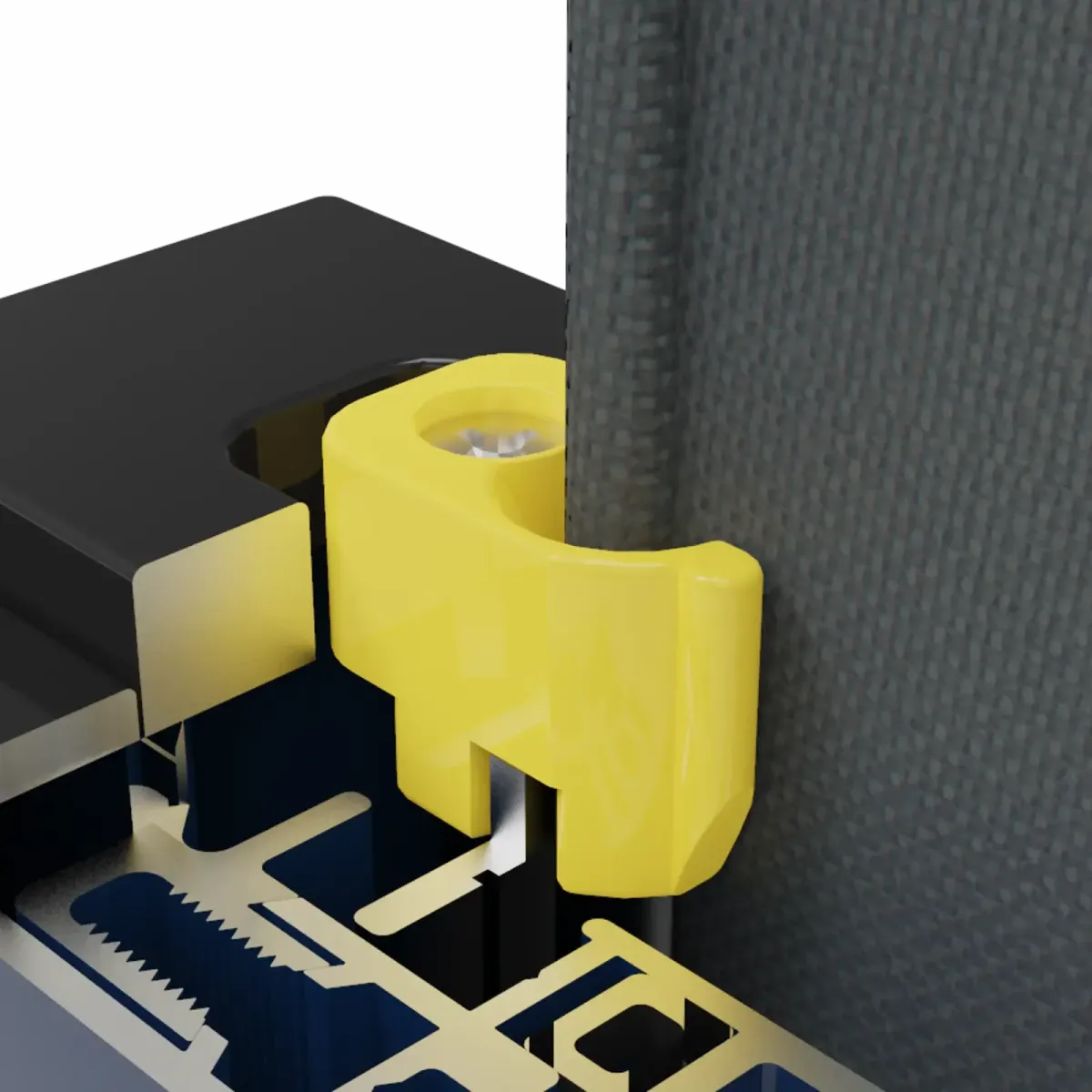
One-Track retractable screens are designed to never come out of their tracks. The screen pre-feeder facilitates a smooth transition from the reel to the side track. Smart motors instantly halt the downward motion of the screen, preventing it from dislodging from the tracks.
.
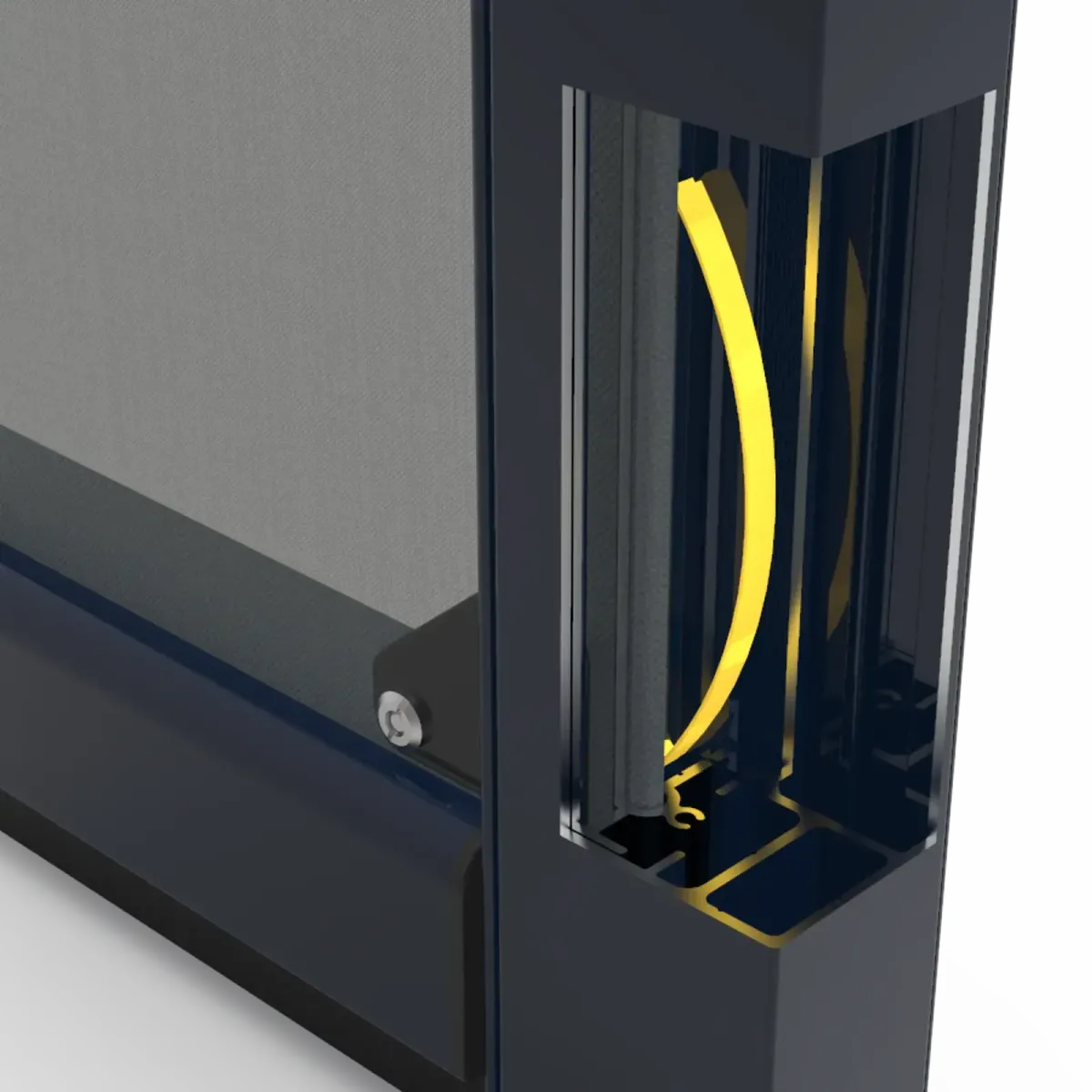
One-Track employs a unique spring-based tensioning system that ensures nearly silent operation of the screens. This technology prioritizes a quiet and comfortable outdoor experience. Think of it like shock absorbers in a car - It's the springs that give you a quiet, comfortable ride.
.
ONE-TRACK THE #1 MOTORIZED INSECT AND SHADE SCREENS
Contact A+ Certified One-Track Screen Dealer Today...
ONE-TRACK THE #1 MOTORIZED
HURRICANE SCREEN
Contact A+ Certified
One-Track Screen
Dealer Today...
THE ONE-TRACK DIFFERENCE
One-Track Screen
AMERICAN INGENUITY
Made in the USA.
Proudly Made in the USA—every One-Track screen is built with American strength, precision, and pride. From the smallest components to the final assembly, our materials are sourced and manufactured right here in the United States. No outsourcing. No compromises. Just hardworking Americans protecting American homes with the toughest screen system on the market.
THE ONE-TRACK DIFFERENCE
One-Track Hurricane Screen
AMERICAN INGENUITY
Made in the USA.

Proudly Made in the USA—every One-Track screen is built with American strength, precision, and pride. From the smallest components to the final assembly, our materials are sourced and manufactured right here in the United States. No outsourcing. No compromises. Just hardworking Americans protecting American homes with the toughest screen system on the market.
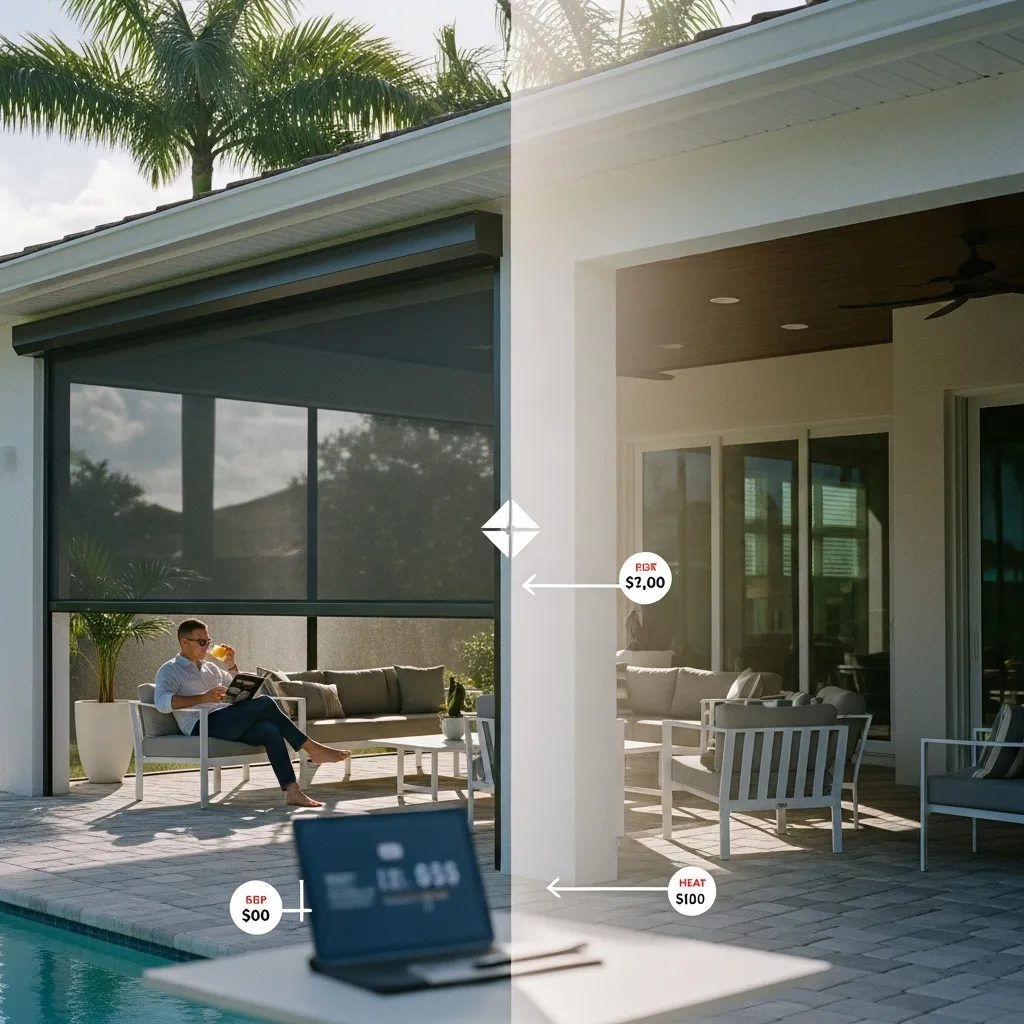
THE PRICE OF WAITING
"Early Bird Economics: What Waiting Actually Costs"
There's a cost to waiting. It's not always visible on the invoice, but it shows up in other ways.
The rushed consultation when dealers are juggling too many projects. The installation date that keeps sliding because the schedule is packed. The summer that arrives before your patio does. The gatherings you postpone, then postpone again, then eventually stop planning altogether because the timing never works out.
Some costs are measured in dollars. Others are measured in the dinners you didn't host, the weekends you spent inside looking out, the season that slipped through the gap between intention and action.
The early bird doesn't just get the worm. The early bird gets the summer.
This isn't a lecture about procrastination. It's an economics lesson. A clear-eyed look at what waiting actually costs — and why the homeowners who plan early often end up with better deals, better attention, and better outcomes than those who wait for the "right moment" that never quite arrives.
The Hidden Economics of Off-Season Planning
Markets respond to supply and demand. This isn't theory — it's the force that shapes every transaction, including the one you're considering for your outdoor space.
In February, supply exceeds demand. Dealers have capacity. Installation crews have availability. The competitive pressure runs in your direction: suppliers competing for your business, not customers competing for limited slots.
In June, demand exceeds supply. Everyone wants attention. Everyone needs installation. The competitive pressure reverses: you competing for a spot on a calendar that filled weeks ago.
Better deals. Better attention. Better leverage. Better timing.
This dynamic affects pricing, though perhaps not in the ways you'd expect. Outdoor living isn't a commodity market with posted prices that fluctuate daily. But there's flexibility in most business relationships — flexibility that homeowners rarely access because they don't understand when it exists.
A dealer in February has time to work with you. They can explore financing options. They can consider package configurations. They can have the kind of unhurried conversation where creative solutions emerge. That flexibility contracts as the calendar fills. The dealer in June isn't less willing to help — they're less able to. The hours in the day don't expand to match the demand.
Off-season planning doesn't guarantee the lowest possible price. But it creates conditions where better outcomes are possible. Where conversations happen without time pressure. Where both parties can think clearly about what makes sense.
The homeowners who act early don't always get discounts. But they consistently get something valuable: options. The chance to explore alternatives, consider financing, make decisions without the pressure of a ticking clock.
Explore residential solutions and investment levels at your own pace →
The Cost of Rush Work
Quality takes time. This is true in every craft, every profession, every domain where outcomes matter. And it's especially true in home improvement, where rushing creates consequences that last for years.
Consider what happens when everyone's hurrying.
The consultation gets compressed. Instead of ninety minutes walking your space and discussing options, you get thirty minutes and a quick quote. Questions you didn't think to ask don't get answered. Options you didn't know existed don't get mentioned. The solution that emerges is functional, but it might not be optimal. It might not account for usage patterns you didn't have time to explain, or aesthetic preferences you didn't have time to articulate.
Rush the process, risk the outcome.
The installation gets scheduled tightly. Crews moving between multiple jobs, trying to fit everything in. The attention to detail that distinguishes excellent installation from adequate installation gets squeezed by the pressure of the next appointment. Things still work. They just might not work quite as well as they would have with more time.
The follow-up gets abbreviated. Questions that emerge after installation — about operation, maintenance, smart home integration — get answered quickly rather than thoroughly. The dealer wants to help, but there are seventeen other customers with questions too, and the installation schedule for tomorrow is already packed.
None of this means late planning produces bad results. It means late planning operates under constraints that early planning avoids. The system installed in September might be identical to the system installed in May. But the process that produced it wasn't. And process affects outcomes in ways that don't always show up immediately.
The homeowners who plan early don't just get installation slots. They get the conditions where quality thrives: unhurried attention, thorough consideration, careful execution.
Understand why One-Track engineering deserves careful installation →
The Financing Advantage
Home improvements often involve financing. Loans, payment plans, lines of credit — the mechanisms that turn large investments into manageable payments. And financing, like everything else in this process, benefits from time.
Time to research options. Time to compare rates. Time to understand terms. Time to ensure the financing decision is as considered as the product decision.
Time to compare. Time to negotiate. Time to choose wisely.
The homeowner planning in February can spend weeks evaluating financing options. They can talk to multiple lenders. They can understand the difference between offers that look similar but aren't. They can make the financial decision with the same care they bring to the product decision.
The homeowner planning in June has days, not weeks. The installation slot they finally secured requires decisions. The financing that's available becomes the financing they take — not because it's optimal, but because there's no time to find something better.
This isn't about predatory lending or deliberate financial traps. It's about the reality that financial decisions benefit from consideration. And consideration requires time that late planning doesn't provide.
The early bird gets better financing because the early bird has time to look for it. The late bird gets whatever financing is available when the clock runs out.
Explore customization options that fit your budget and vision →
The Use-Value Calculation
Here's a calculation homeowners rarely make: the relationship between months of enjoyment and months of ownership.
A patio improvement installed in May provides six months of enjoyment in year one. Memorial Day through October — the full outdoor season, start to finish. Every warm weekend, available. Every summer evening, accessible. The investment begins paying experiential dividends immediately.
Installed in May: 6 months of summer. Installed in September: 6 weeks until winter.
A patio improvement installed in September provides six weeks. Maybe less, depending on your climate. Then winter arrives, and the new system sits unused for five months, waiting for next spring. The investment was made. The enjoyment gets deferred.
Same system. Same price. Same quality. Radically different first-year experience.
This isn't just about impatience. It's about return on investment — the real return, measured in life lived rather than abstractions calculated. Every month of delayed enjoyment is a month the investment sits idle. Every summer lost to waiting is a summer that doesn't come back.
The dollars-per-use calculation favors early installation. The enjoyment-per-dollar calculation favors early installation. The only calculation that favors late installation is the procrastination calculation — the one that values avoiding decisions over making them.
The early bird economics aren't complicated. They're just uncomfortable for people who prefer waiting. But the math doesn't care about preferences. It only counts what you actually experience.
Making the Case
Somewhere between "someday" and "too late" is "now."
Not next month. Not when the weather breaks. Not when you get around to it. Now — while calling is easy, while attention is available, while the calendar has room for your project instead of a waitlist for it.
The costs of waiting are real. The rushed consultation. The compressed timeline. The financing you settled for because you ran out of time to find something better. The summer that came and went while you were still waiting for a callback.
Plan now. Schedule now. Enjoy first.
The benefits of acting early are equally real. The thorough consultation. The installation that happens when you want it. The financing you chose rather than accepted. The summer that started on Memorial Day instead of September.
The decision isn't whether to improve your outdoor space — you've already been thinking about that. The decision is when. And "when" has consequences that extend far beyond the installation date.
Early bird economics favor the early bird. This isn't opinion. It's pattern. It's market dynamics. It's the reality that homeowners who plan now consistently get better outcomes than homeowners who plan later.
The Great Defrost is your opportunity. The economics are your evidence. And the phone call you make today determines which side of the equation you'll be on.
Don't pay the price of waiting. Claim the advantage of planning.
Get your early-bird consultation →
The Investment That Pays in Summer
Picture two versions of this summer.
In one version, you're on your patio. The screens installed in April work exactly as promised. The bugs stay out. The weather stays controlled. The gatherings happen. The evenings last. The investment you made months ago is paying dividends in exactly the currency you wanted: enjoyed time in a space you love.
In the other version, you're inside. Looking out. Waiting for the installation that got pushed to August. Making plans for next summer. Telling yourself it will be worth the wait, while the summer you wanted to capture slips away through the weeks you spent waiting.
Same investment. Same product. Same intention. Different timing. Different outcome.
Your patio. Your summer. Your timeline.
The price tag on your One-Track system tells one story. The summer you actually get to use it tells another. And the difference between those stories often comes down to when you picked up the phone.
Early bird economics aren't about being first for its own sake. They're about understanding how timing affects outcomes — and positioning yourself on the side of the equation that works in your favor.
The snow will melt. Summer will arrive. The only question is whether you'll spend it on your finished patio or waiting for a contractor to return your call.
Plan early. The economics are on your side.

THE PRICE OF WAITING
"Early Bird Economics: What Waiting Actually Costs"
There's a cost to waiting. It's not always visible on the invoice, but it shows up in other ways.
The rushed consultation when dealers are juggling too many projects. The installation date that keeps sliding because the schedule is packed. The summer that arrives before your patio does. The gatherings you postpone, then postpone again, then eventually stop planning altogether because the timing never works out.
Some costs are measured in dollars. Others are measured in the dinners you didn't host, the weekends you spent inside looking out, the season that slipped through the gap between intention and action.
The early bird doesn't just get the worm. The early bird gets the summer.
This isn't a lecture about procrastination. It's an economics lesson. A clear-eyed look at what waiting actually costs — and why the homeowners who plan early often end up with better deals, better attention, and better outcomes than those who wait for the "right moment" that never quite arrives.
The Hidden Economics of Off-Season Planning
Markets respond to supply and demand. This isn't theory — it's the force that shapes every transaction, including the one you're considering for your outdoor space.
In February, supply exceeds demand. Dealers have capacity. Installation crews have availability. The competitive pressure runs in your direction: suppliers competing for your business, not customers competing for limited slots.
In June, demand exceeds supply. Everyone wants attention. Everyone needs installation. The competitive pressure reverses: you competing for a spot on a calendar that filled weeks ago.
Better deals. Better attention. Better leverage. Better timing.
This dynamic affects pricing, though perhaps not in the ways you'd expect. Outdoor living isn't a commodity market with posted prices that fluctuate daily. But there's flexibility in most business relationships — flexibility that homeowners rarely access because they don't understand when it exists.
A dealer in February has time to work with you. They can explore financing options. They can consider package configurations. They can have the kind of unhurried conversation where creative solutions emerge. That flexibility contracts as the calendar fills. The dealer in June isn't less willing to help — they're less able to. The hours in the day don't expand to match the demand.
Off-season planning doesn't guarantee the lowest possible price. But it creates conditions where better outcomes are possible. Where conversations happen without time pressure. Where both parties can think clearly about what makes sense.
The homeowners who act early don't always get discounts. But they consistently get something valuable: options. The chance to explore alternatives, consider financing, make decisions without the pressure of a ticking clock.
Explore residential solutions and investment levels at your own pace →
The Cost of Rush Work
Quality takes time. This is true in every craft, every profession, every domain where outcomes matter. And it's especially true in home improvement, where rushing creates consequences that last for years.
Consider what happens when everyone's hurrying.
The consultation gets compressed. Instead of ninety minutes walking your space and discussing options, you get thirty minutes and a quick quote. Questions you didn't think to ask don't get answered. Options you didn't know existed don't get mentioned. The solution that emerges is functional, but it might not be optimal. It might not account for usage patterns you didn't have time to explain, or aesthetic preferences you didn't have time to articulate.
Rush the process, risk the outcome.
The installation gets scheduled tightly. Crews moving between multiple jobs, trying to fit everything in. The attention to detail that distinguishes excellent installation from adequate installation gets squeezed by the pressure of the next appointment. Things still work. They just might not work quite as well as they would have with more time.
The follow-up gets abbreviated. Questions that emerge after installation — about operation, maintenance, smart home integration — get answered quickly rather than thoroughly. The dealer wants to help, but there are seventeen other customers with questions too, and the installation schedule for tomorrow is already packed.
None of this means late planning produces bad results. It means late planning operates under constraints that early planning avoids. The system installed in September might be identical to the system installed in May. But the process that produced it wasn't. And process affects outcomes in ways that don't always show up immediately.
The homeowners who plan early don't just get installation slots. They get the conditions where quality thrives: unhurried attention, thorough consideration, careful execution.
Understand why One-Track engineering deserves careful installation →
The Financing Advantage
Home improvements often involve financing. Loans, payment plans, lines of credit — the mechanisms that turn large investments into manageable payments. And financing, like everything else in this process, benefits from time.
Time to research options. Time to compare rates. Time to understand terms. Time to ensure the financing decision is as considered as the product decision.
Time to compare. Time to negotiate. Time to choose wisely.
The homeowner planning in February can spend weeks evaluating financing options. They can talk to multiple lenders. They can understand the difference between offers that look similar but aren't. They can make the financial decision with the same care they bring to the product decision.
The homeowner planning in June has days, not weeks. The installation slot they finally secured requires decisions. The financing that's available becomes the financing they take — not because it's optimal, but because there's no time to find something better.
This isn't about predatory lending or deliberate financial traps. It's about the reality that financial decisions benefit from consideration. And consideration requires time that late planning doesn't provide.
The early bird gets better financing because the early bird has time to look for it. The late bird gets whatever financing is available when the clock runs out.
Explore customization options that fit your budget and vision →
The Use-Value Calculation
Here's a calculation homeowners rarely make: the relationship between months of enjoyment and months of ownership.
A patio improvement installed in May provides six months of enjoyment in year one. Memorial Day through October — the full outdoor season, start to finish. Every warm weekend, available. Every summer evening, accessible. The investment begins paying experiential dividends immediately.
Installed in May: 6 months of summer. Installed in September: 6 weeks until winter.
A patio improvement installed in September provides six weeks. Maybe less, depending on your climate. Then winter arrives, and the new system sits unused for five months, waiting for next spring. The investment was made. The enjoyment gets deferred.
Same system. Same price. Same quality. Radically different first-year experience.
This isn't just about impatience. It's about return on investment — the real return, measured in life lived rather than abstractions calculated. Every month of delayed enjoyment is a month the investment sits idle. Every summer lost to waiting is a summer that doesn't come back.
The dollars-per-use calculation favors early installation. The enjoyment-per-dollar calculation favors early installation. The only calculation that favors late installation is the procrastination calculation — the one that values avoiding decisions over making them.
The early bird economics aren't complicated. They're just uncomfortable for people who prefer waiting. But the math doesn't care about preferences. It only counts what you actually experience.
Making the Case
Somewhere between "someday" and "too late" is "now."
Not next month. Not when the weather breaks. Not when you get around to it. Now — while calling is easy, while attention is available, while the calendar has room for your project instead of a waitlist for it.
The costs of waiting are real. The rushed consultation. The compressed timeline. The financing you settled for because you ran out of time to find something better. The summer that came and went while you were still waiting for a callback.
Plan now. Schedule now. Enjoy first.
The benefits of acting early are equally real. The thorough consultation. The installation that happens when you want it. The financing you chose rather than accepted. The summer that started on Memorial Day instead of September.
The decision isn't whether to improve your outdoor space — you've already been thinking about that. The decision is when. And "when" has consequences that extend far beyond the installation date.
Early bird economics favor the early bird. This isn't opinion. It's pattern. It's market dynamics. It's the reality that homeowners who plan now consistently get better outcomes than homeowners who plan later.
The Great Defrost is your opportunity. The economics are your evidence. And the phone call you make today determines which side of the equation you'll be on.
Don't pay the price of waiting. Claim the advantage of planning.
Get your early-bird consultation →
The Investment That Pays in Summer
Picture two versions of this summer.
In one version, you're on your patio. The screens installed in April work exactly as promised. The bugs stay out. The weather stays controlled. The gatherings happen. The evenings last. The investment you made months ago is paying dividends in exactly the currency you wanted: enjoyed time in a space you love.
In the other version, you're inside. Looking out. Waiting for the installation that got pushed to August. Making plans for next summer. Telling yourself it will be worth the wait, while the summer you wanted to capture slips away through the weeks you spent waiting.
Same investment. Same product. Same intention. Different timing. Different outcome.
Your patio. Your summer. Your timeline.
The price tag on your One-Track system tells one story. The summer you actually get to use it tells another. And the difference between those stories often comes down to when you picked up the phone.
Early bird economics aren't about being first for its own sake. They're about understanding how timing affects outcomes — and positioning yourself on the side of the equation that works in your favor.
The snow will melt. Summer will arrive. The only question is whether you'll spend it on your finished patio or waiting for a contractor to return your call.
Plan early. The economics are on your side.

COMPANY
QUICK LINKS
LEGAL
FOLLOW US


© 2025 One Track - Powered by Fenetex and Friends of Oatis | Privacy Policy | Terms of Service
COMPANY
QUICK LINKS
LEGAL
FOLLOW US
© 2025 One-Track | A Fenetex Corporation Product. All Rights Reserved