ONE-TRACK MOTORIZED SCREEN
Why One-Track

ONE-TRACK MOTORIZED SCREEN
Why One-Track
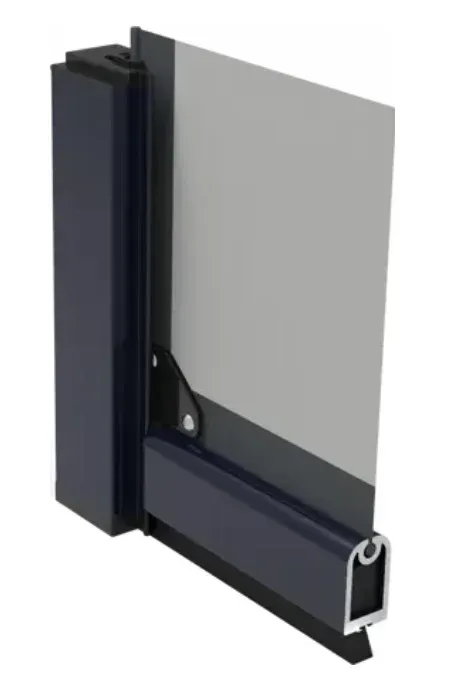
ONE-TRACK PROVEN DEPENDABILITY
Engineered For Excellence
One-Track introduced the patented quiet spring technology, the core of our One-Track system, nearly a decade ago.
We’ve crafted the perfect self-adjusting screen system that operates beautifully silently when deployed, ensures frustration-free operation, and can be used in almost any weather condition.
While others have experimented with alternative methods to achieve the advantages of our One-Track screens, none have achieved the unique combination of near-silence, ease of operation, affordability, high reliability, and exceptional dependability.
The real problem with most motorized screens
Most motorized screens fail for predictable reasons. Zippers snag. Cables stretch. Tracks shift. Motors strain.
What starts as a premium upgrade quickly turns into:
Screens that jam or tangle
Gaps that let bugs and wind in
Constant service calls and repairs
You shouldn't have to "babysit" your outdoor upgrade.
That's exactly why One-Track was built differently.
CONE-TRACK PROVEN PROTECT
Engineered For Excellence
For nearly two decades, One-Track has manufactured hurricane screens to meet the most demanding building code, the High Velocity Hurricane Zone of Miami-Dade. The One-Track is our newest version of the fixed track we have used with great success for high wind applications all over the globe.
The benefits of a fixed track are unmatched strength - this is important when designing a screen system for hurricanes. When you want the strongest system available, and a proven veteran of many hurricanes, the One-Track Screen is your best choice.
The real problem with most motorized screens
Most motorized screens fail for predictable reasons. Zippers snag. Cables stretch. Tracks shift. Motors strain.
What starts as a premium upgrade quickly turns into:
Screens that jam or tangle
Gaps that let bugs and wind in
Constant service calls and repairs
You shouldn't have to "babysit" your outdoor upgrade.
That's exactly why One-Track was built differently.
ONE-TRACK THE #1 MOTORIZED INSECT AND SHADE SCREEN
Contact A+ Certified One-Track Screen Dealer Today...
ONE-TRACK THE #1 MOTORIZED
HURRICANE SCREEN
Contact A+ Certified
One-Track Screen
Dealer Today...
ONE-TRACK MOTORIZED SCREENS
Engineering Features
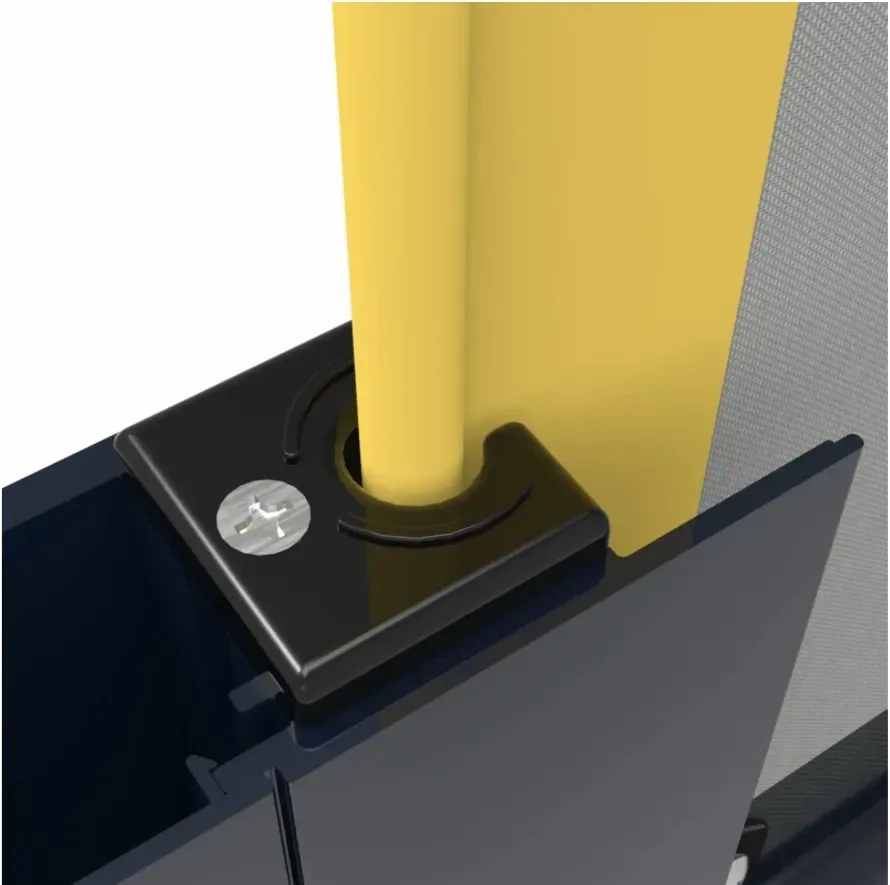
No blowouts. No rewraps. No frustration.
One-Track is the only retractable screen system on the market designed to stay locked in the track—even in high winds. Smart motor senses resistance and adjusts seamlessly, allowing self-correction when the screen encounters an obstacle: Fewer snags, fewer jams, and fewer costly service calls.
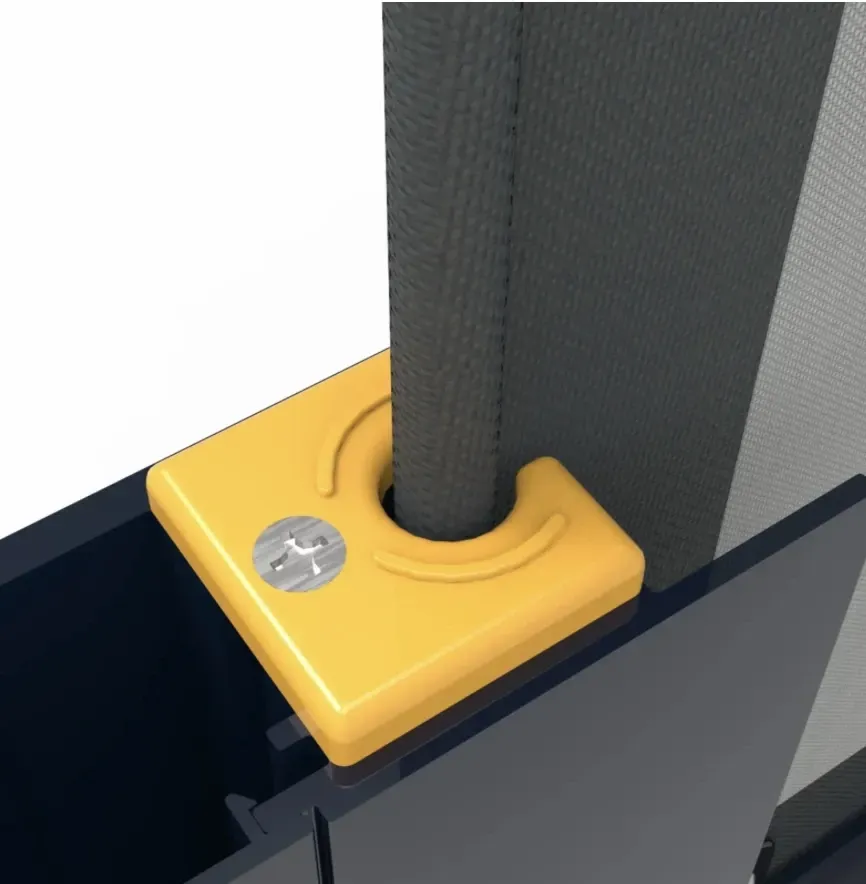
No Zipper. No Cable. Just Simple Deployment
One-Track pioneered Keder-edge technology in motorized screens, delivering unmatched durability and simplicity. Borrowed from sailboat rigging, this system eliminates zippers, cables, and exposed hardware—ensuring smooth, reliable operation every time.
Heavy Duty
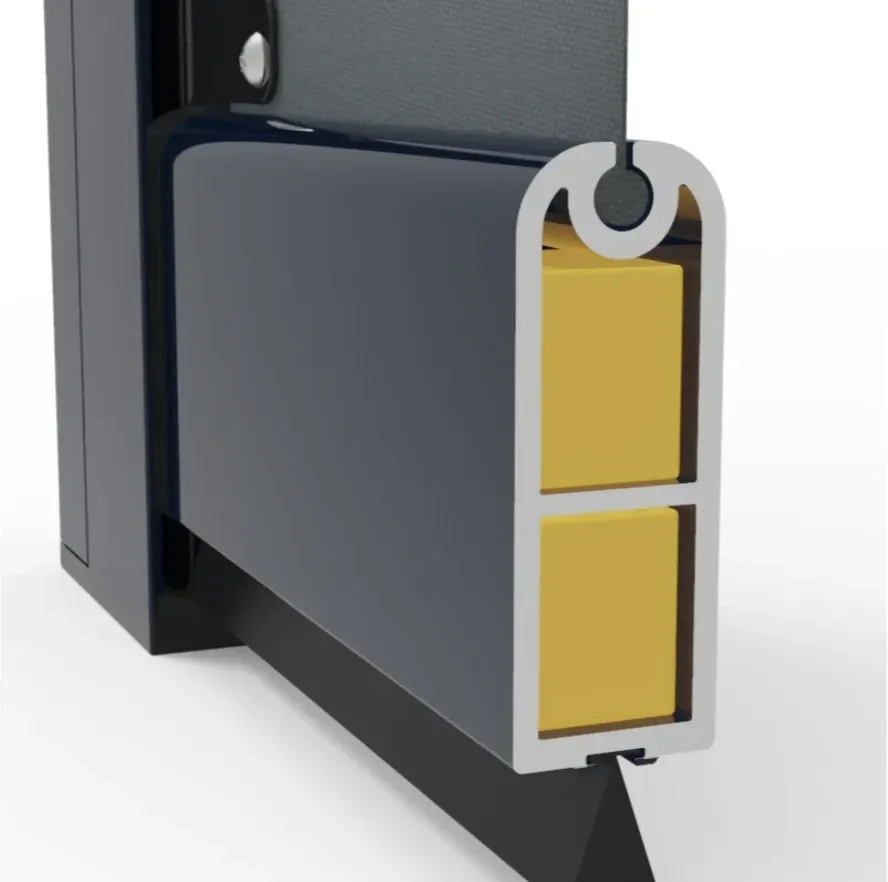
The One-Track weight bar is engineered for strength—and built to hold its ground. Pound for pound, it’s the heaviest and most robust weight bar in the industry. This ensures proper screen tension, flawless deployment, and maximum stability in high wind —limited flex, no failure.
Reinforced Corners
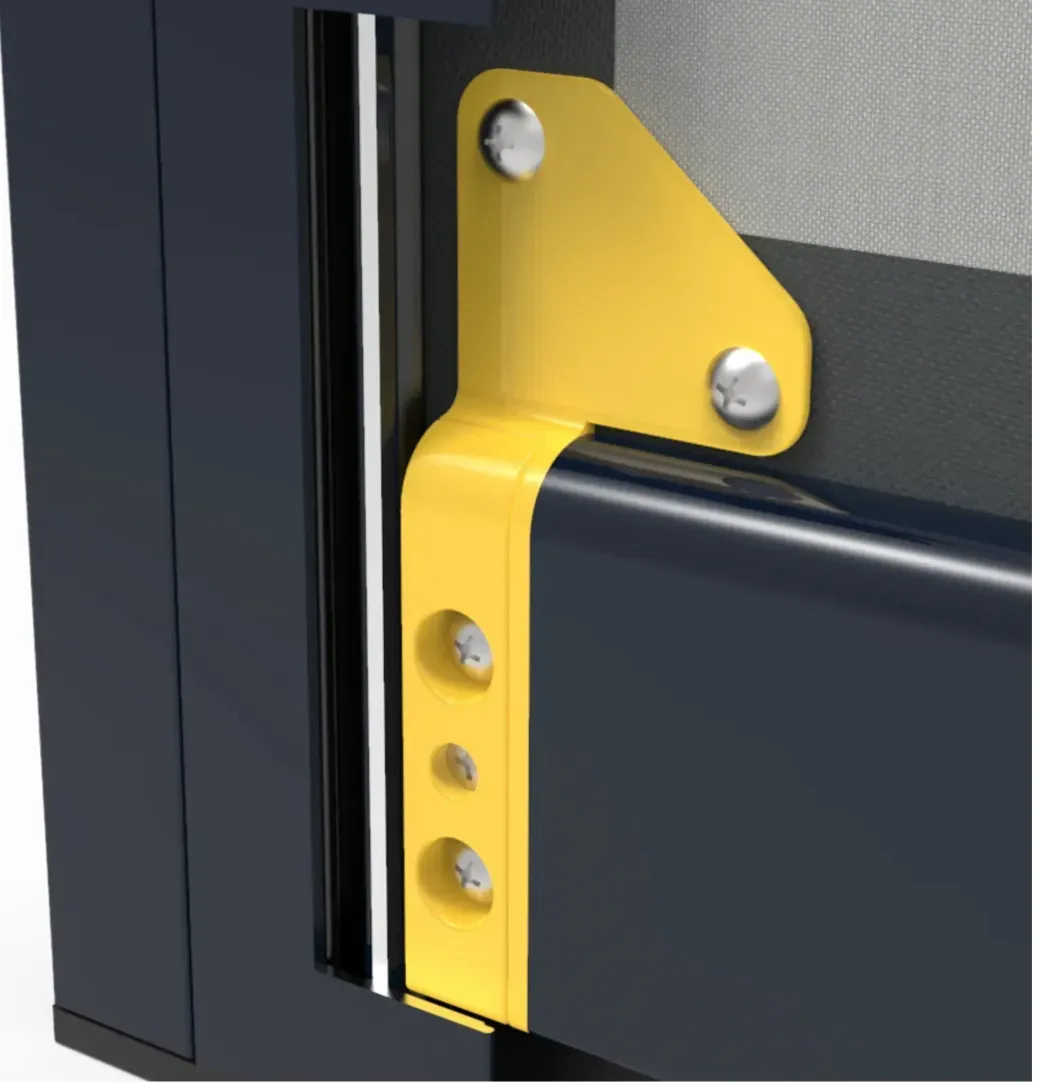
One-Track’s heavy-duty weight bar isn’t just strong. It’s smart. Reinforced corners and integrated tie-ins create a unified structure that acts like a solid wall of protection when deployed. Made from high-strength nylon, this bar absorbs impacts while maintaining structural integrity.
ONE-TRACK HURRICANE SCREENS
Engineering Features
No blowouts. No rewraps. No frustration.
One-Track is the only retractable screen system on the market designed to stay locked in the track—even in high winds. Smart motor senses resistance and adjusts seamlessly, allowing self-correction when the screen encounters an obstacle: Fewer snags, fewer jams, and fewer costly service calls.
No Zipper. No Cable. Just Simple Deployment
One-Track pioneered Keder-edge technology in motorized screens, delivering unmatched durability and simplicity. Borrowed from sailboat rigging, this system eliminates zippers, cables, and exposed hardware—ensuring smooth, reliable operation every time.
Heavy Duty
The One-Track weight bar is engineered for strength—and built to hold its ground. Pound for pound, it’s the heaviest and most robust weight bar in the industry. This ensures proper screen tension, flawless deployment, and maximum stability in high wind zones. —limited flex, no failure.
Reinforced Corners
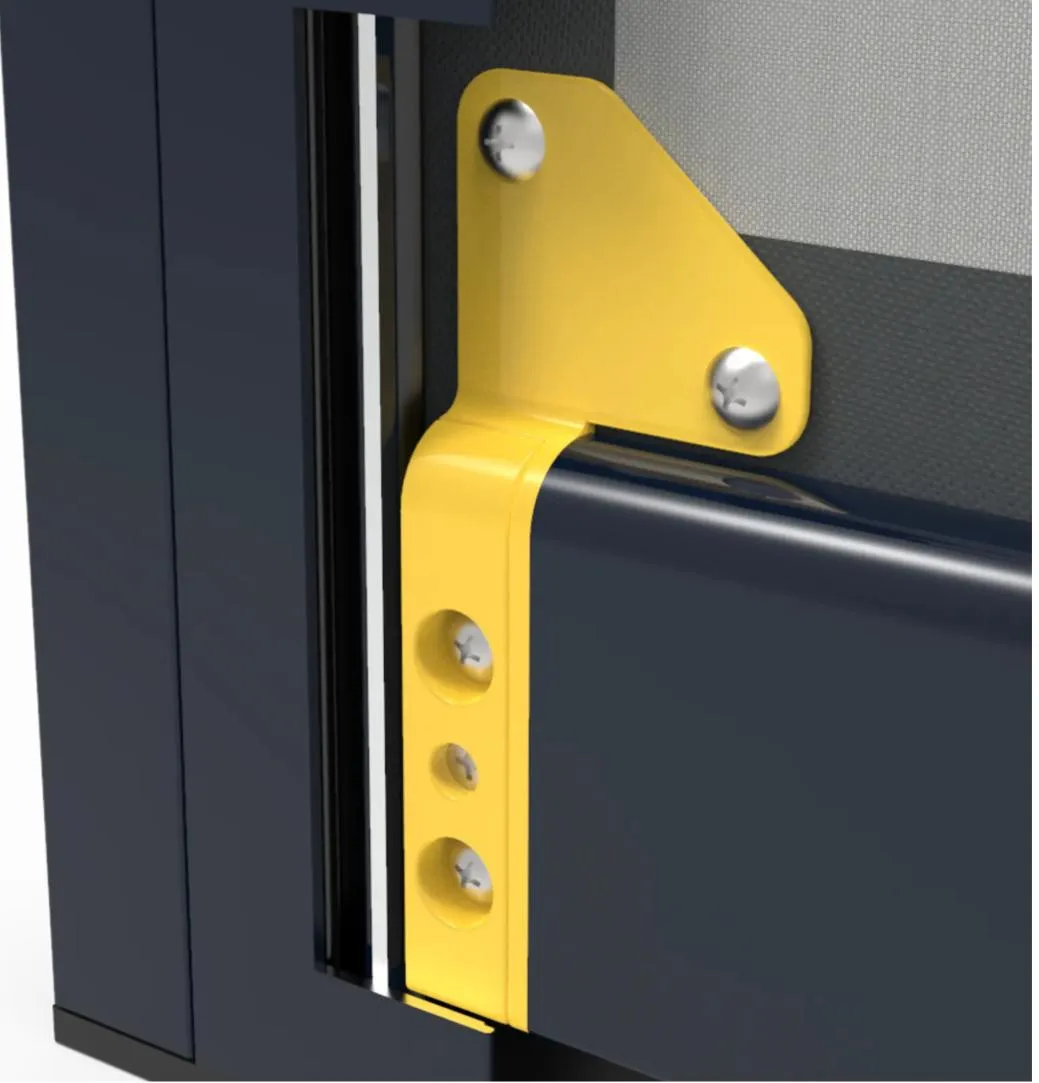
OneTrack’s heavy-duty weight bar isn’t just strong. It’s smart. Reinforced corners and integrated tie-ins create a unified structure that acts like a solid wall of protection when deployed. Made from high-strength nylon, this bar absorbs impacts while maintaining structural integrity.
Reinforced Corners
One-Track’s heavy-duty weight bar isn’t just strong. It’s smart. Reinforced corners and integrated tie-ins create a unified structure that acts like a solid wall of protection when deployed. Made from high-strength nylon, this bar absorbs impacts while maintaining structural integrity.
Reinforced Corners
OneTrack’s heavy-duty weight bar isn’t just strong. It’s smart. Reinforced corners and integrated tie-ins create a unified structure that acts like a solid wall of protection when deployed. Made from high-strength nylon, this bar absorbs impacts while maintaining structural integrity.

HEADACHE-FREE
Exclusive self-tensioning system eliminates 99.9% of screen issues. No track adjustments, broken zippers,or dislodged screens.

LIFETIME WARRANTY
No other company can stand behind their products like One-Track can because no other company can match our quality.

CUSTOM-MADE SCREENS
Tailor-made screens with vast color,
fabric, and system options. Custom paint color and fabric matching are available.

BUILT TO LAST
We use marine-grade materials such as powder-coated aluminum, UV-protected nylons, stainless steel fasteners, and premium fabrics. Resists corrosion, rust, and screen failure.

COST-SAVING
Exterior shade screens reduce cooling bills and One-Track screens reduce insurance premiums in hurricane zones.

SMART CONTROLS
Control One-Track screens via remote and phone or integrate with popular home automation systems for advanced capabilities.

MAX CORROSION PROTECTION
Powder Coated Aluminum Protects your investment from exposure and corrosion.

HEAVY-DUTY DESIGN
Our screens are designed to withstand the extreme. High wind, rain, or shine, dust dirt, dander, it doesn't matter. One-Track covers it all.
ONE-TRACK THE #1 MOTORIZED
HURRICANE SCREEN
Contact A+ Certified
One-Track Screen
Dealer Today...
HEADACHE-FREE
Exclusive self-tensioning system eliminates 99.9% of screen issues. No track adjustments, broken zippers,or dislodged screens.
LIFETIME WARRANTY
No other company can stand behind their products like One-Track can because no other company can match our quality.
CUSTOM-MADE SCREENS
Tailor-made screens with vast color, fabric, and system options. Custom paint color and fabric matching are available.
BUILT TO LAST
We use marine-grade materials such as powder-coated aluminum, UV-protected nylons, stainless steel fasteners, and premium fabrics. Resists corrosion, rust, and screen failure.
COST-SAVING
Exterior shade screens reduce cooling bills and protect against skin and furniture Damage caused by excessive UV Rays.
SMART CONTROLS
Control One-Track screens via remote and phone or integrate with popular home automation systems for advanced capabilities.
MAX CORROSION PROTECTION
Powder Coated Aluminum Protects your investment from exposure and corrosion.
HEAVY-DUTY DESIGN
Our screens are designed to withstand Mother Nature's daily abuse. High wind, rain, or shine, dust dirt, dander, it doesn't matter. One-Track covers it all.
ONE-TRACK THE #1 MOTORIZED INSECT AND SHADE SCREEN
Contact A+ Certified One-Track Screen Dealer Today...
ONE-TRACK
Ready For Life's Storms
LOCK TIGHT - KEDER TECHNOLOGY
Good bye Zipper Track System
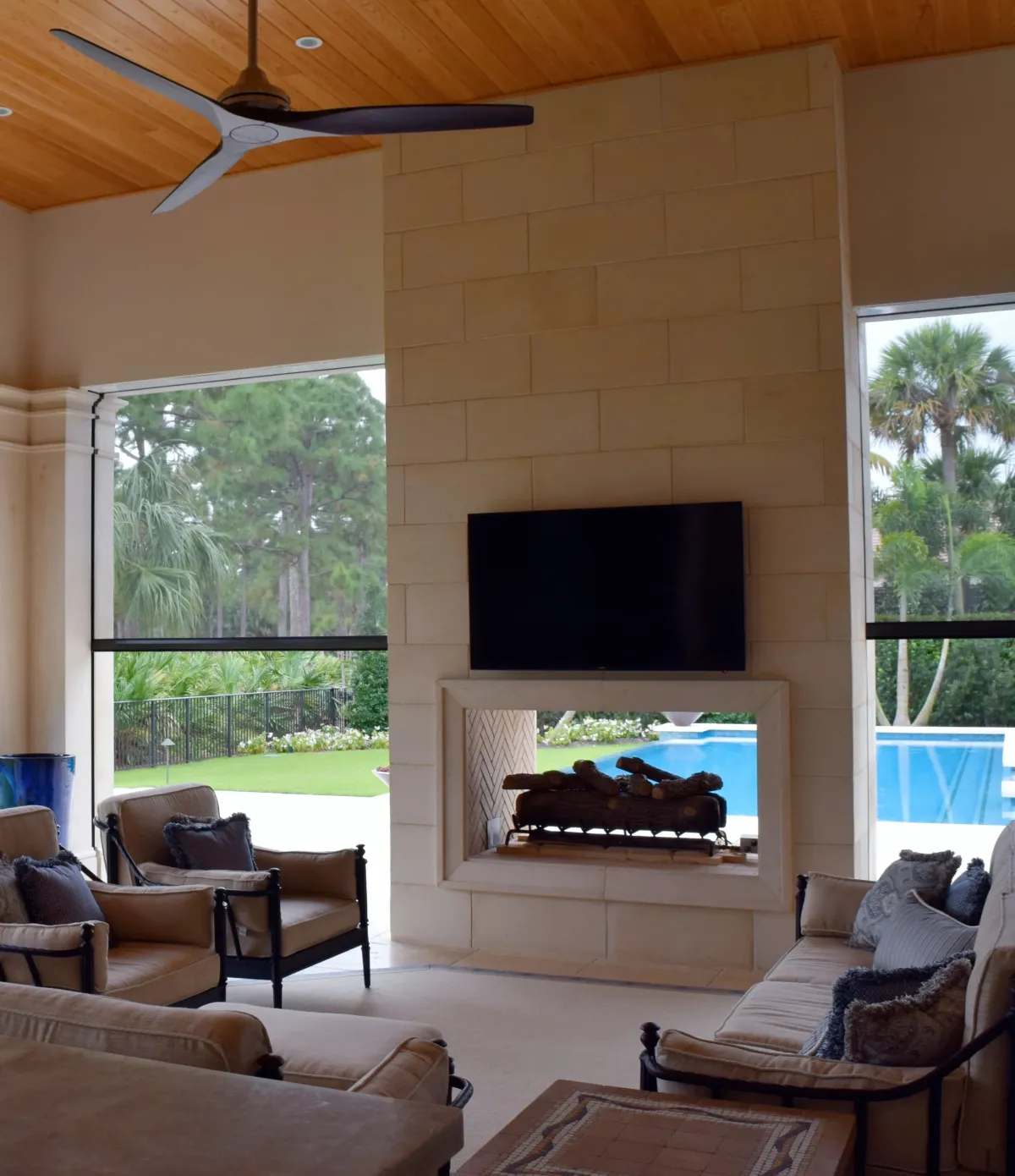
When others relied on outdated zipper systems, One-Track pioneered a breakthrough. Our Lock Tight Keder technology transformed the industry by delivering what zippers couldn't: unmatched strength, flawless operation, and built-to-last reliability.
Years of proven performance speak for themselves. Lock Tight Keder provides superior wind resistance, effortless functionality, and the durability you need for long-term peace of mind.
Lock Tight Side Retention
Prevent Screen Hangups
Prevent Jams
Prevent Snaggs
Prevent Rewraps
ONE-TRACK
Ready For Life's Storms
LOCK TIGHT - KEDER TECHNOLOGY
Good bye Zipper Track System
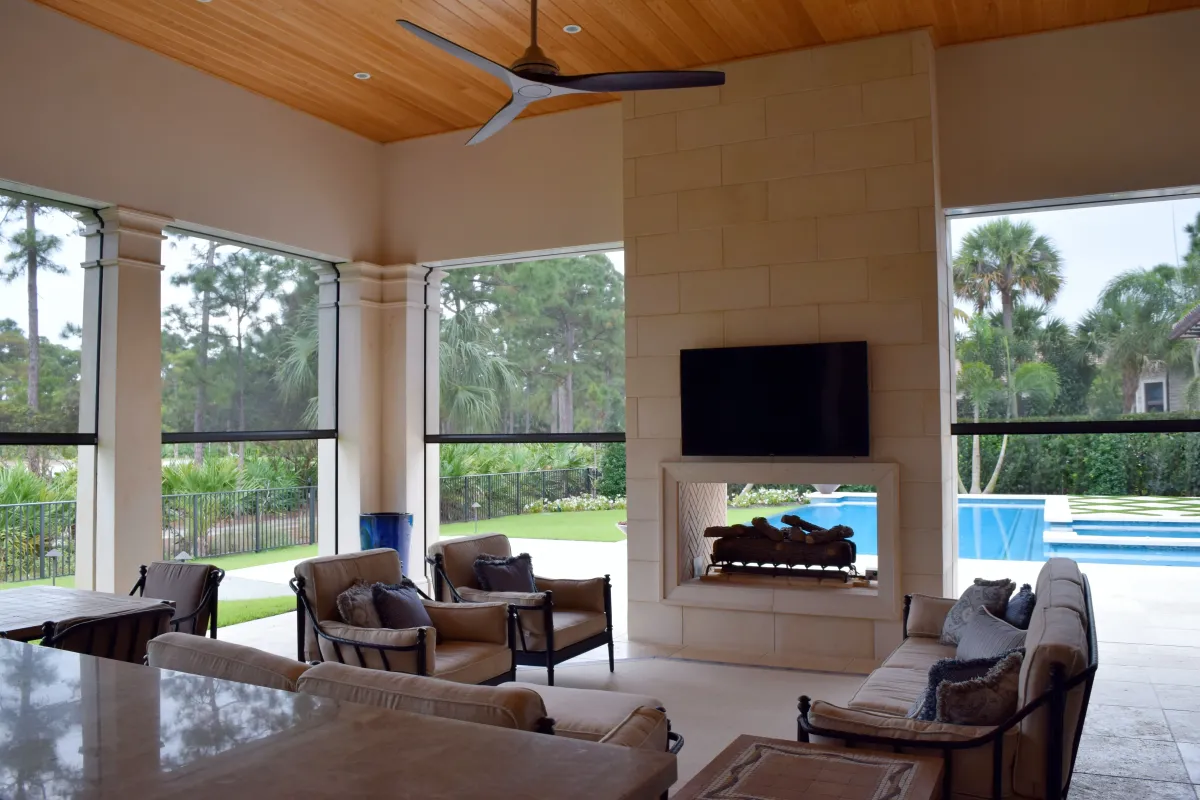
When others relied on outdated zipper systems, One-Track pioneered a breakthrough. Our Lock Tight Keder technology transformed the industry by delivering what zippers couldn't: unmatched strength, flawless operation, and built-to-last reliability.
Years of proven performance speak for themselves. Lock Tight Keder provides superior wind resistance, effortless functionality, and the durability you need for long-term peace of mind.
• Lock Tight Side Retention
• Prevent Screen Hangups
• Prevent Jams
• Prevent Snaggs
• Prevent Rewraps.
ONE-TRACK THE #1 MOTORIZED MOTORIZED INSECT AND SHADE SCREEN
Contact A+ Certified One-Track Screen Dealer Today...
ONE-TRACK THE #1 MOTORIZED
HURRICANE SCREEN
Contact A+ Certified
One-Track Screen
Dealer Today...
THE ONE-TRACK DIFFERENCE
Eliminates All Services Call, Fix Track and Zippers Systems
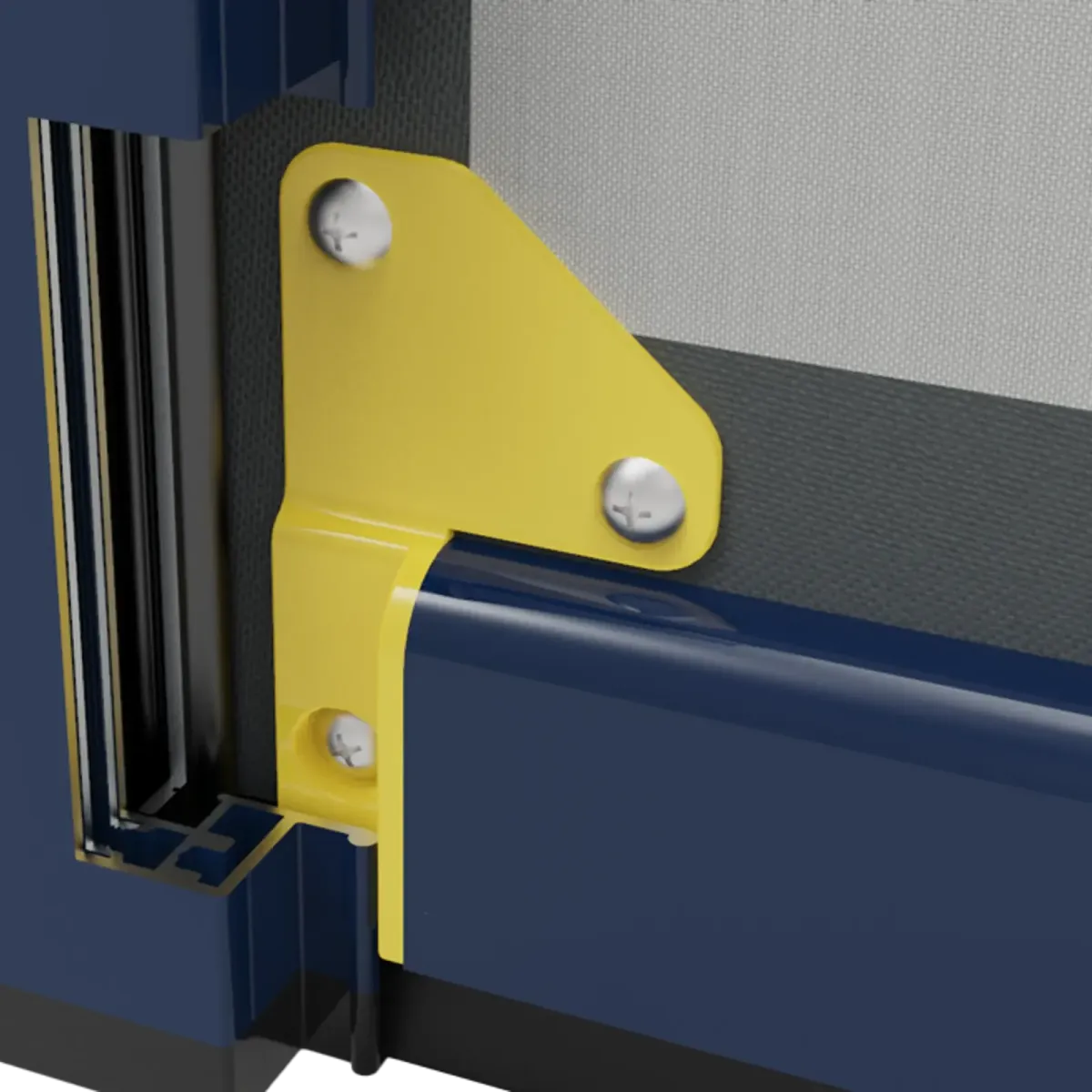
Recognizing that screen wear is most prominent at the corner where the weight bar and screen meet, One-Track engineers designed a robust and flexible guide made of toughened nylon. This innovative design reinforces the corner connection, extending the screen's lifespan,
.
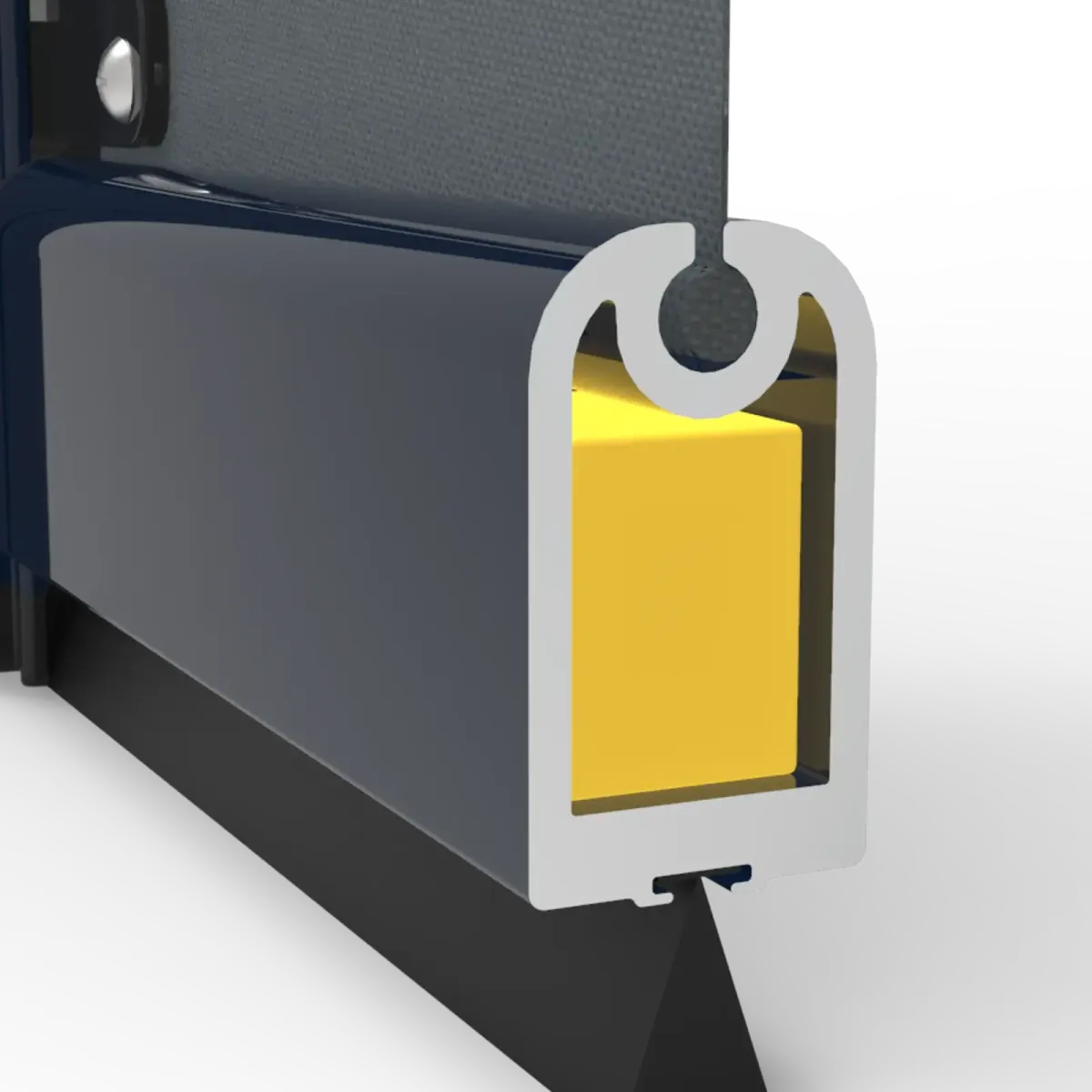
One-Track offers a well-engineered, low-profile standard weight bar suitable for installations in low-wind areas. When rolled up, it minimizes visibility in storage. For locations with higher wind exposure, a heavier-weight bar can be specified as needed.
.
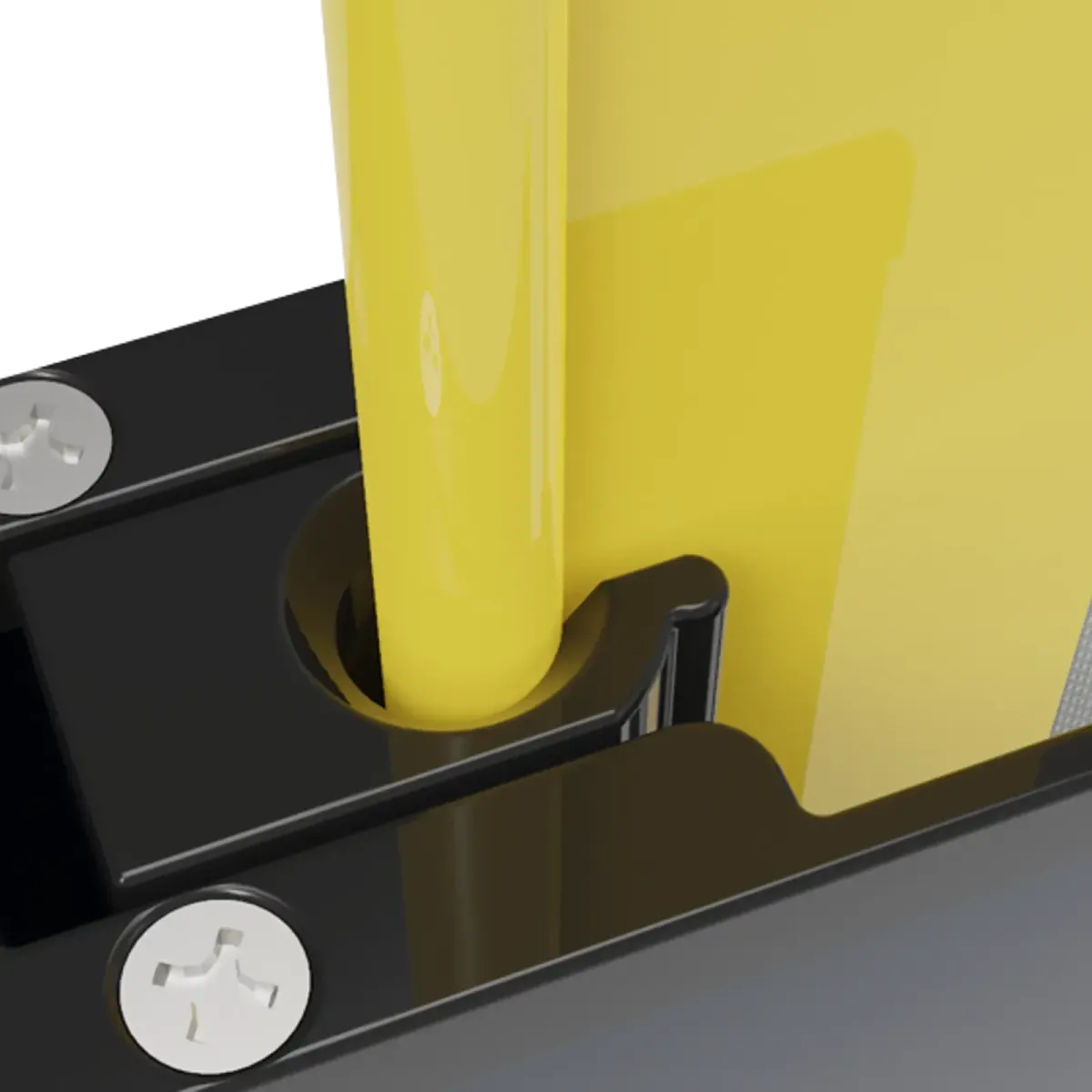
One-Track as the first to employ keder-edged screens, opted against zippers, known for potential issues. Keder's smooth, durable design avoids past failures.
.
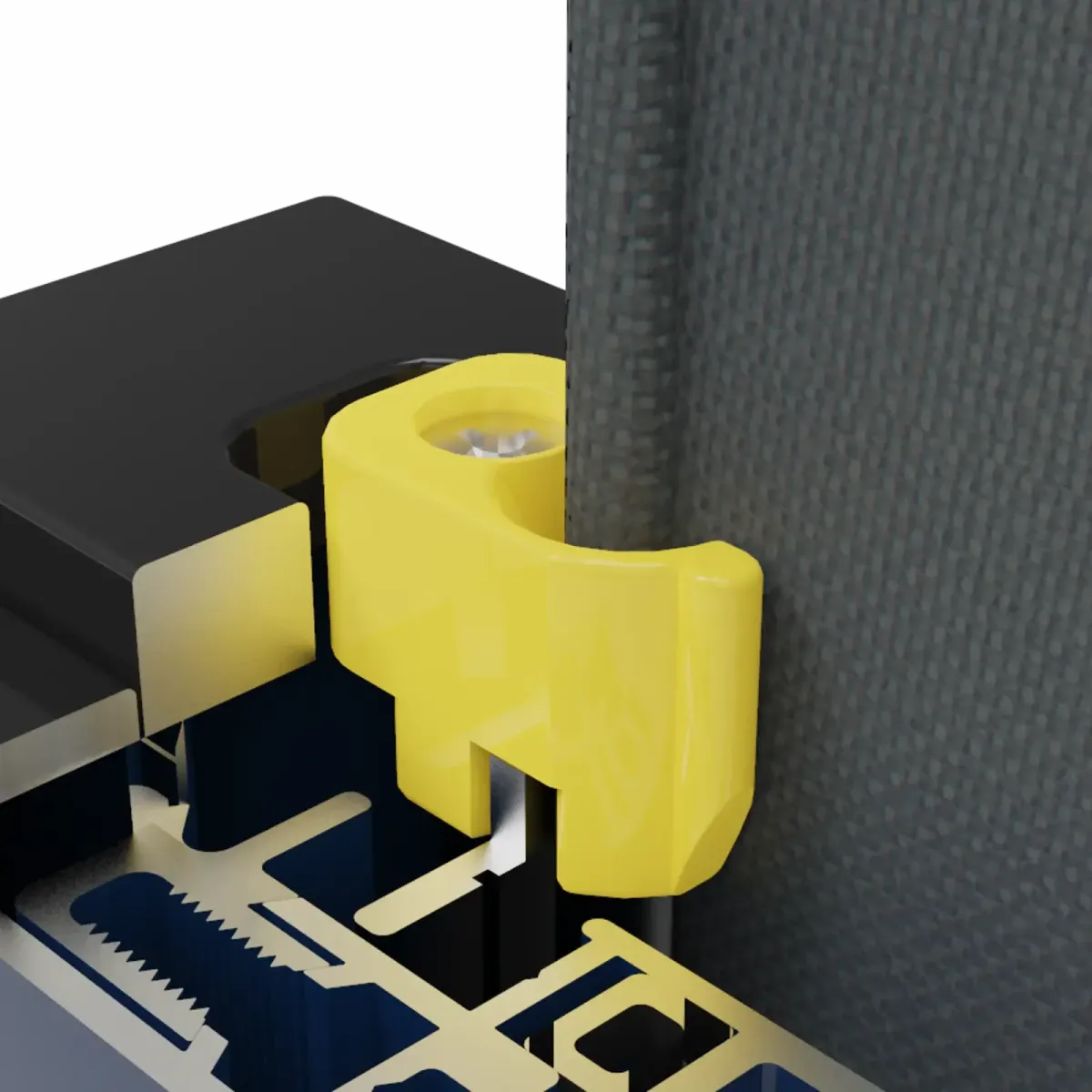
One-Track retractable screens are designed to never come out of their tracks. The screen pre-feeder facilitates a smooth transition from the reel to the side track. Smart motors instantly halt the downward motion of the screen, preventing it from dislodging from the tracks.
.
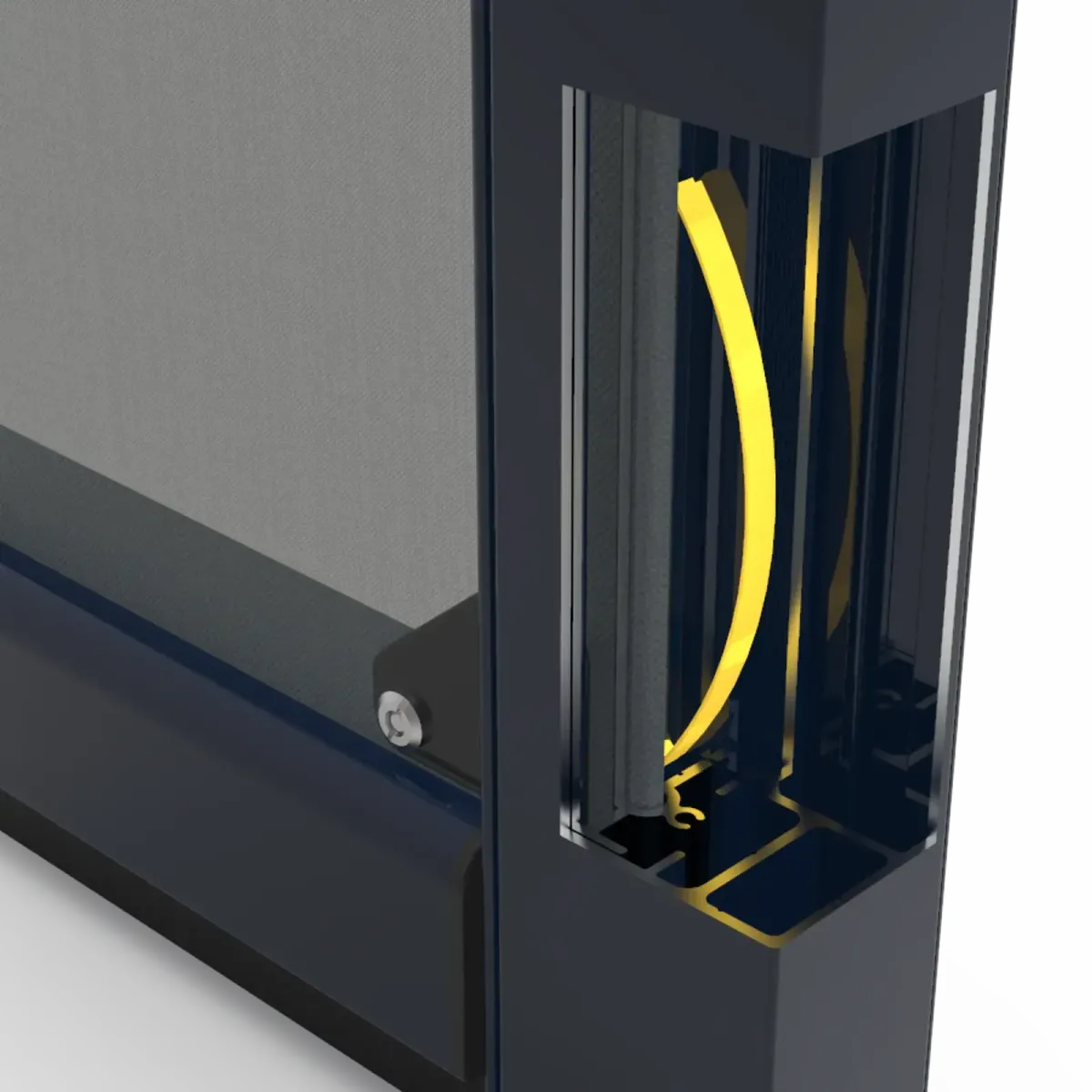
One-Track employs a unique spring-based tensioning system that ensures nearly silent operation of the screens. This technology prioritizes a quiet and comfortable outdoor experience. Think of it like shock absorbers in a car - It's the springs that give you a quiet, comfortable ride.
.
ONE-TRACK THE #1 MOTORIZED INSECT AND SHADE SCREENS
Contact A+ Certified One-Track Screen Dealer Today...
ONE-TRACK THE #1 MOTORIZED
HURRICANE SCREEN
Contact A+ Certified
One-Track Screen
Dealer Today...
THE ONE-TRACK DIFFERENCE
One-Track Screen
AMERICAN INGENUITY
Made in the USA.
Proudly Made in the USA—every One-Track screen is built with American strength, precision, and pride. From the smallest components to the final assembly, our materials are sourced and manufactured right here in the United States. No outsourcing. No compromises. Just hardworking Americans protecting American homes with the toughest screen system on the market.
THE ONE-TRACK DIFFERENCE
One-Track Hurricane Screen
AMERICAN INGENUITY
Made in the USA.

Proudly Made in the USA—every One-Track screen is built with American strength, precision, and pride. From the smallest components to the final assembly, our materials are sourced and manufactured right here in the United States. No outsourcing. No compromises. Just hardworking Americans protecting American homes with the toughest screen system on the market.
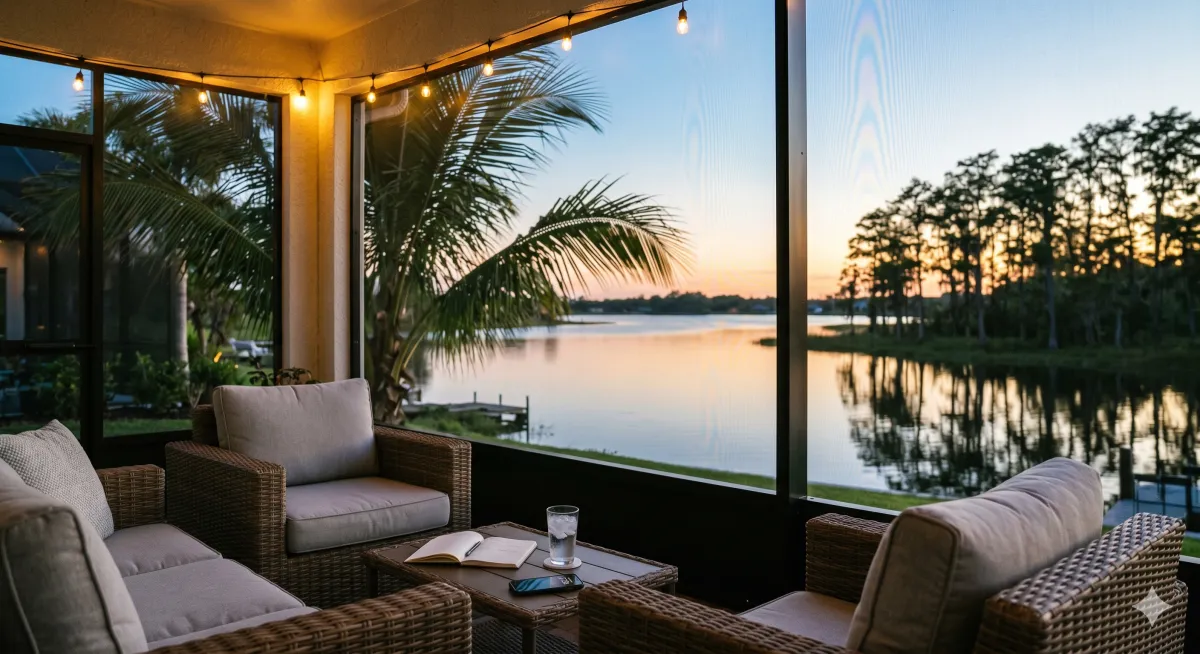
THE HEALTH "What Bites Back"
The mosquito that bites you tonight might be carrying something.
You probably won't think about it when it happens. The bite is minor — a small prick, barely noticeable, lost in the rhythm of an ordinary evening. You'll scratch absently tomorrow morning, apply some anti-itch cream, and move on with your life. The interaction will be forgotten within days.
Or it won't.
Because the mosquito that bites you tonight might have bitten something else first. A bird carrying West Nile virus. A traveler recently returned from a region where dengue circulates. An animal hosting Eastern Equine Encephalitis. The mosquito doesn't care what it carries. It doesn't know. It just bites, and whatever was in the last blood meal travels with it to the next.
Most bites are just bites. The statistics favor annoyance over illness. But "most" is a word for populations, not individuals. When the bite that becomes something more happens to someone you love, the statistics provide no comfort at all.
In the South, where mosquito season runs nine months long and waterway properties practically guarantee exposure, the numbers add up differently than elsewhere. More bites. More opportunities. More chances for "most bites are just bites" to meet its exceptions.
Bug season is coming. The question isn't whether mosquitoes carry diseases — they do. The question is whether you'll keep gambling, or whether this is the year you draw a different line.
The Invisible Threat
The diseases mosquitoes carry don't announce themselves.
West Nile virus incubates for two to fourteen days before symptoms appear — if symptoms appear at all. Many infections remain asymptomatic, silent invaders that the immune system handles without conscious awareness. Others manifest as fever, headache, body aches. Still others — about one in 150 — penetrate the nervous system and become something far worse: encephalitis, meningitis, the inflammation of brain and spinal cord that can lead to permanent damage or death.
Most people recover completely. The numbers reassure. But standing in a neurologist's office with someone you love, watching them struggle to form words they used to speak easily, the numbers feel like lies.
Eastern Equine Encephalitis is rarer and worse. Mortality rates approach 30%. Survivors often face permanent neurological damage. The disease circulates primarily in coastal marshes and swamplands — exactly the environments that make Southern waterway living so attractive. The beauty and the threat share the same address.
Zika's peak years recede in memory, but the virus hasn't disappeared. For pregnant women, the stakes remain catastrophic: microcephaly, brain abnormalities, the shattering of expectations when a routine pregnancy becomes something else entirely. The warnings faded from headlines. The mosquitoes that carry Zika didn't get the memo.
Dengue, historically a traveler's disease, has established local transmission in Florida and Texas. The fever, the joint pain, the rash — manageable for most, dangerous for some. Another item on the list of things mosquitoes might be carrying when they land on your skin.
The bite is invisible. The threat is invisible. The consequences are not.
Southern homeowners are taking mosquito-borne illness seriously. See protection options →
The Accumulation of Odds
Risk is cumulative. Each bite resets the dice.
A single mosquito bite in a low-transmission area carries odds so small they barely register. But Southern living doesn't offer single bites. It offers thousands — tens of thousands over a lifetime of summers spent on porches, in backyards, near the waterways that define the region's beauty and its hazard.
Each bite resets the dice. Each bite carries the same small chance. And over years and decades of exposure, small chances accumulate into something that no longer feels small.
The math isn't complicated. More bites equal more chances for the bite that matters. The home near the marsh experiences more mosquito pressure than the home on high ground. The family that spends evenings outdoors accumulates more exposure than the family sealed inside. The region with a nine-month mosquito season offers more opportunities than the region with a three-month season.
None of this means illness is inevitable. Most bites remain just bites. But the lifestyle that brought you to the South — the waterway views, the outdoor evenings, the connection to a landscape that feels alive in ways other places don't — also brings elevated exposure to the insects that carry disease.
Living with risk is not the same as ignoring it. Acknowledging risk is not the same as accepting it. Between denial and panic lies a reasonable response: reduce the bites, reduce the odds, protect the people you love from a gamble that doesn't have to continue.
One-Track screens reduce mosquito exposure to near zero — the most effective protection available.
Repellent Isn't Enough
Chemical repellents reduce bites. They don't eliminate them.
DEET at maximum concentration provides roughly 95% protection — impressive, until you consider what 5% means over a summer of exposure. That's not one bite per evening; that's the bites that get through despite careful application, despite reapplication, despite following every instruction on the bottle.
And nobody follows every instruction on the bottle.
Real-world protection falls well short of laboratory results. Application gaps happen. Sweat washes repellent away. The hands you forgot to spray become targets. The evening runs longer than expected, and the protection fades before you realize it.
The mosquito that bites you is probably the one that found the spot you missed.
For families with children, the math grows more concerning. Kids don't stand still for thorough application. They put treated hands in mouths. They swim and play and sweat in ways that defeat even the most conscientious parent's protection routine. The gap between intended coverage and actual coverage is largest for those most vulnerable.
Repellent provides a reasonable layer of defense. It should not be the only layer.
When the stakes include neurological damage, brain inflammation, or worse, "reasonable" protection deserves reinforcement. Not replacement — the repellent still has its place. But the physical barrier that stops bites entirely adds a margin of safety that chemistry alone cannot provide.
The Screened Shield
Inside a properly screened enclosure, mosquito bites approach zero.
Not "reduced." Not "minimized." Approaching zero — the practical elimination of contact between insects and humans, achieved through physical separation rather than chemical deterrence.
The mesh stops mosquitoes at the boundary. The sealed edges prevent infiltration through gaps. The lock-tight system that defines One-Track installations creates a continuous barrier with no weaknesses for insects to exploit. Inside that boundary, you exist in a different relationship to mosquito-borne illness than you existed outside it.
A physical barrier that actually blocks the threat. Complete protection. Not hope — certainty.
The reduction isn't partial. It's categorical.
You can still apply repellent when leaving the screened space for the wider yard. You can still take precautions when venturing to areas without protection. The screens don't eliminate the need for situational awareness — they eliminate the risk in the situations you control.
Your patio. Your porch. Your lanai. The spaces where you spend hours every week, where your children play, where your family gathers. Inside the screen, those spaces become safe in ways they weren't before.
The cumulative odds that concern epidemiologists? They accumulate more slowly when most of your outdoor time happens inside a protected envelope. The exposure that defines waterway living? Dramatically reduced without sacrificing the lifestyle that brings you to the water.
The Peace That Follows
Health anxiety exhausts. The constant background calculation of risk drains mental energy that should be spent on living.
You read the news about local West Nile cases and feel the twist of concern. You see your child scratching a bite and wonder what was in it. You host an outdoor gathering and notice the mosquitoes and feel the particular helplessness of knowing you can't protect everyone.
Inside a screened space, that background noise quiets.
The evenings you spend outdoors become genuinely relaxing instead of marginally concerning. The bites you'd normally accumulate — and the worries that would follow — simply don't happen. The mental space occupied by risk calculation empties and fills with something better.
Watching your family gather on a protected porch, unbothered by insects, unhaunted by the health concerns that accompany every bite — that's what peace feels like.
The screens protect against annoyance. They protect against discomfort. They protect against the itch that keeps children awake and ruins outdoor evenings. But beneath all of that, they protect against something more serious: the diseases that mosquitoes carry and the worry that accompanies knowing about them.
Most bites are just bites. Inside the screens, most bites never happen. The worry they'd bring never arrives. The peace they'd disrupt remains intact.
Experience what protected outdoor living feels like →
Before the Season
Disease transmission follows mosquito activity. When the bugs surge, the risks surge. When the bugs hibernate, the risks fall. The calendar of concern aligns with the calendar of insects.
Installing screens before bug season means protection in place before the risks arrive. It means spending the high-transmission months inside a protected envelope rather than hoping your repellent application was thorough enough, hoping the bite you just got wasn't from an infected insect, hoping the statistics that favor most people will favor you.
Hope is not a health strategy.
Action is. Preparation is. Installing the physical barriers that reduce exposure to near-zero before exposure season begins — that's what protecting your family actually looks like.
Bug season is coming. The diseases haven't changed. The mosquitoes haven't changed. The risks accumulate the same way they always have.
What can change is your relationship to those risks. What can change is the barrier between your family and the insects that carry invisible threats. What can change is everything — if you act before the season forces your hand.
Your family's health isn't a gamble you have to take. The line can be drawn. The protection can be installed. The odds can shift dramatically in your favor.
Bug season is coming. Be ready.

THE HEALTH "What Bites Back"
The mosquito that bites you tonight might be carrying something.
You probably won't think about it when it happens. The bite is minor — a small prick, barely noticeable, lost in the rhythm of an ordinary evening. You'll scratch absently tomorrow morning, apply some anti-itch cream, and move on with your life. The interaction will be forgotten within days.
Or it won't.
Because the mosquito that bites you tonight might have bitten something else first. A bird carrying West Nile virus. A traveler recently returned from a region where dengue circulates. An animal hosting Eastern Equine Encephalitis. The mosquito doesn't care what it carries. It doesn't know. It just bites, and whatever was in the last blood meal travels with it to the next.
Most bites are just bites. The statistics favor annoyance over illness. But "most" is a word for populations, not individuals. When the bite that becomes something more happens to someone you love, the statistics provide no comfort at all.
In the South, where mosquito season runs nine months long and waterway properties practically guarantee exposure, the numbers add up differently than elsewhere. More bites. More opportunities. More chances for "most bites are just bites" to meet its exceptions.
Bug season is coming. The question isn't whether mosquitoes carry diseases — they do. The question is whether you'll keep gambling, or whether this is the year you draw a different line.
The Invisible Threat
The diseases mosquitoes carry don't announce themselves.
West Nile virus incubates for two to fourteen days before symptoms appear — if symptoms appear at all. Many infections remain asymptomatic, silent invaders that the immune system handles without conscious awareness. Others manifest as fever, headache, body aches. Still others — about one in 150 — penetrate the nervous system and become something far worse: encephalitis, meningitis, the inflammation of brain and spinal cord that can lead to permanent damage or death.
Most people recover completely. The numbers reassure. But standing in a neurologist's office with someone you love, watching them struggle to form words they used to speak easily, the numbers feel like lies.
Eastern Equine Encephalitis is rarer and worse. Mortality rates approach 30%. Survivors often face permanent neurological damage. The disease circulates primarily in coastal marshes and swamplands — exactly the environments that make Southern waterway living so attractive. The beauty and the threat share the same address.
Zika's peak years recede in memory, but the virus hasn't disappeared. For pregnant women, the stakes remain catastrophic: microcephaly, brain abnormalities, the shattering of expectations when a routine pregnancy becomes something else entirely. The warnings faded from headlines. The mosquitoes that carry Zika didn't get the memo.
Dengue, historically a traveler's disease, has established local transmission in Florida and Texas. The fever, the joint pain, the rash — manageable for most, dangerous for some. Another item on the list of things mosquitoes might be carrying when they land on your skin.
The bite is invisible. The threat is invisible. The consequences are not.
Southern homeowners are taking mosquito-borne illness seriously. See protection options →
The Accumulation of Odds
Risk is cumulative. Each bite resets the dice.
A single mosquito bite in a low-transmission area carries odds so small they barely register. But Southern living doesn't offer single bites. It offers thousands — tens of thousands over a lifetime of summers spent on porches, in backyards, near the waterways that define the region's beauty and its hazard.
Each bite resets the dice. Each bite carries the same small chance. And over years and decades of exposure, small chances accumulate into something that no longer feels small.
The math isn't complicated. More bites equal more chances for the bite that matters. The home near the marsh experiences more mosquito pressure than the home on high ground. The family that spends evenings outdoors accumulates more exposure than the family sealed inside. The region with a nine-month mosquito season offers more opportunities than the region with a three-month season.
None of this means illness is inevitable. Most bites remain just bites. But the lifestyle that brought you to the South — the waterway views, the outdoor evenings, the connection to a landscape that feels alive in ways other places don't — also brings elevated exposure to the insects that carry disease.
Living with risk is not the same as ignoring it. Acknowledging risk is not the same as accepting it. Between denial and panic lies a reasonable response: reduce the bites, reduce the odds, protect the people you love from a gamble that doesn't have to continue.
One-Track screens reduce mosquito exposure to near zero — the most effective protection available.
Repellent Isn't Enough
Chemical repellents reduce bites. They don't eliminate them.
DEET at maximum concentration provides roughly 95% protection — impressive, until you consider what 5% means over a summer of exposure. That's not one bite per evening; that's the bites that get through despite careful application, despite reapplication, despite following every instruction on the bottle.
And nobody follows every instruction on the bottle.
Real-world protection falls well short of laboratory results. Application gaps happen. Sweat washes repellent away. The hands you forgot to spray become targets. The evening runs longer than expected, and the protection fades before you realize it.
The mosquito that bites you is probably the one that found the spot you missed.
For families with children, the math grows more concerning. Kids don't stand still for thorough application. They put treated hands in mouths. They swim and play and sweat in ways that defeat even the most conscientious parent's protection routine. The gap between intended coverage and actual coverage is largest for those most vulnerable.
Repellent provides a reasonable layer of defense. It should not be the only layer.
When the stakes include neurological damage, brain inflammation, or worse, "reasonable" protection deserves reinforcement. Not replacement — the repellent still has its place. But the physical barrier that stops bites entirely adds a margin of safety that chemistry alone cannot provide.
The Screened Shield
Inside a properly screened enclosure, mosquito bites approach zero.
Not "reduced." Not "minimized." Approaching zero — the practical elimination of contact between insects and humans, achieved through physical separation rather than chemical deterrence.
The mesh stops mosquitoes at the boundary. The sealed edges prevent infiltration through gaps. The lock-tight system that defines One-Track installations creates a continuous barrier with no weaknesses for insects to exploit. Inside that boundary, you exist in a different relationship to mosquito-borne illness than you existed outside it.
A physical barrier that actually blocks the threat. Complete protection. Not hope — certainty.
The reduction isn't partial. It's categorical.
You can still apply repellent when leaving the screened space for the wider yard. You can still take precautions when venturing to areas without protection. The screens don't eliminate the need for situational awareness — they eliminate the risk in the situations you control.
Your patio. Your porch. Your lanai. The spaces where you spend hours every week, where your children play, where your family gathers. Inside the screen, those spaces become safe in ways they weren't before.
The cumulative odds that concern epidemiologists? They accumulate more slowly when most of your outdoor time happens inside a protected envelope. The exposure that defines waterway living? Dramatically reduced without sacrificing the lifestyle that brings you to the water.
The Peace That Follows
Health anxiety exhausts. The constant background calculation of risk drains mental energy that should be spent on living.
You read the news about local West Nile cases and feel the twist of concern. You see your child scratching a bite and wonder what was in it. You host an outdoor gathering and notice the mosquitoes and feel the particular helplessness of knowing you can't protect everyone.
Inside a screened space, that background noise quiets.
The evenings you spend outdoors become genuinely relaxing instead of marginally concerning. The bites you'd normally accumulate — and the worries that would follow — simply don't happen. The mental space occupied by risk calculation empties and fills with something better.
Watching your family gather on a protected porch, unbothered by insects, unhaunted by the health concerns that accompany every bite — that's what peace feels like.
The screens protect against annoyance. They protect against discomfort. They protect against the itch that keeps children awake and ruins outdoor evenings. But beneath all of that, they protect against something more serious: the diseases that mosquitoes carry and the worry that accompanies knowing about them.
Most bites are just bites. Inside the screens, most bites never happen. The worry they'd bring never arrives. The peace they'd disrupt remains intact.
Experience what protected outdoor living feels like →
Before the Season
Disease transmission follows mosquito activity. When the bugs surge, the risks surge. When the bugs hibernate, the risks fall. The calendar of concern aligns with the calendar of insects.
Installing screens before bug season means protection in place before the risks arrive. It means spending the high-transmission months inside a protected envelope rather than hoping your repellent application was thorough enough, hoping the bite you just got wasn't from an infected insect, hoping the statistics that favor most people will favor you.
Hope is not a health strategy.
Action is. Preparation is. Installing the physical barriers that reduce exposure to near-zero before exposure season begins — that's what protecting your family actually looks like.
Bug season is coming. The diseases haven't changed. The mosquitoes haven't changed. The risks accumulate the same way they always have.
What can change is your relationship to those risks. What can change is the barrier between your family and the insects that carry invisible threats. What can change is everything — if you act before the season forces your hand.
Your family's health isn't a gamble you have to take. The line can be drawn. The protection can be installed. The odds can shift dramatically in your favor.
Bug season is coming. Be ready.

COMPANY
QUICK LINKS
LEGAL
FOLLOW US


© 2025 One-Track | A Fenetex Corporation Product. All Rights Reserved
COMPANY
QUICK LINKS
LEGAL
FOLLOW US
© 2026 One-Track | A Fenetex Corporation Product. All Rights Reserved