
ONE-TRACK MOTORIZED SCREEN
Why One-Track

ONE-TRACK PROVEN DEPENDABILITY
Engineered For Excellence
One-Track introduced the patented quiet spring technology, the core of our One-Track system, nearly a decade ago.
We’ve crafted the perfect self-adjusting screen system that operates beautifully silently when deployed, ensures frustration-free operation, and can be used in almost any weather condition.
While others have experimented with alternative methods to achieve the advantages of our One-Track screens, none have achieved the unique combination of near-silence, ease of operation, affordability, high reliability, and exceptional dependability.
The real problem with most motorized screens
Most motorized screens fail for predictable reasons. Zippers snag. Cables stretch. Tracks shift. Motors strain.
What starts as a premium upgrade quickly turns into:
Screens that jam or tangle
Gaps that let bugs and wind in
Constant service calls and repairs
You shouldn't have to "babysit" your outdoor upgrade.
That's exactly why One-Track was built differently.
ONE-TRACK THE #1 MOTORIZED INSECT AND SHADE SCREEN
Contact A+ Certified One-Track Screen Dealer Today...
ONE-TRACK MOTORIZED SCREENS
Engineering Features
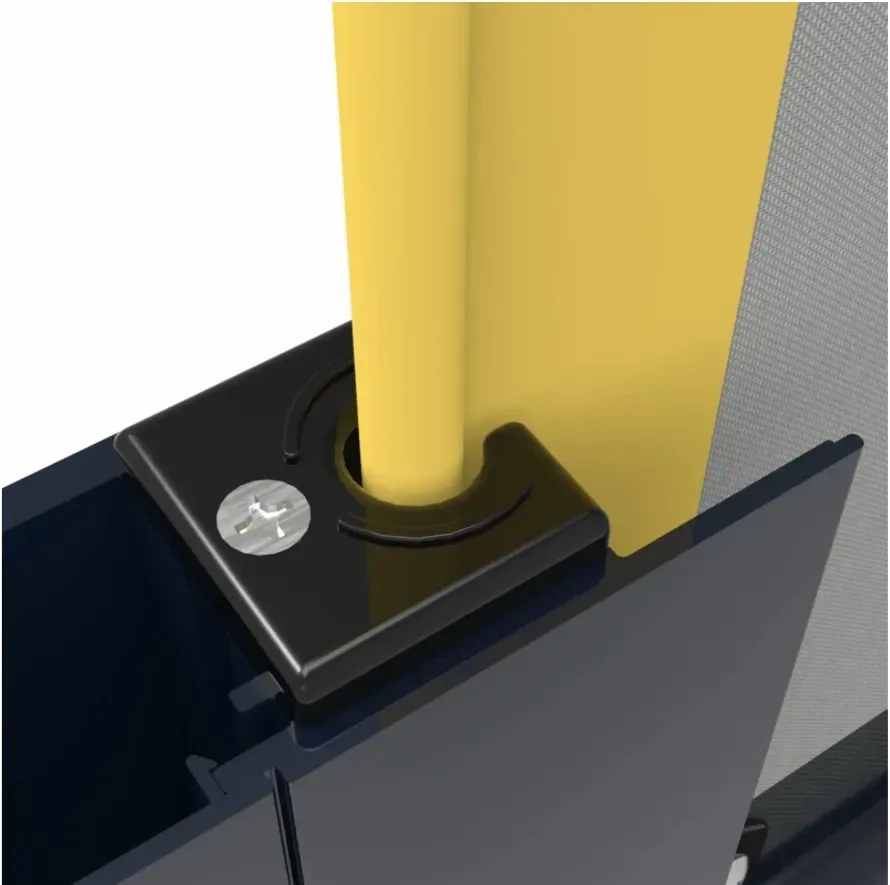
No blowouts. No rewraps. No frustration.
One-Track is the only retractable screen system on the market designed to stay locked in the track—even in high winds. Smart motor senses resistance and adjusts seamlessly, allowing self-correction when the screen encounters an obstacle: Fewer snags, fewer jams, and fewer costly service calls.
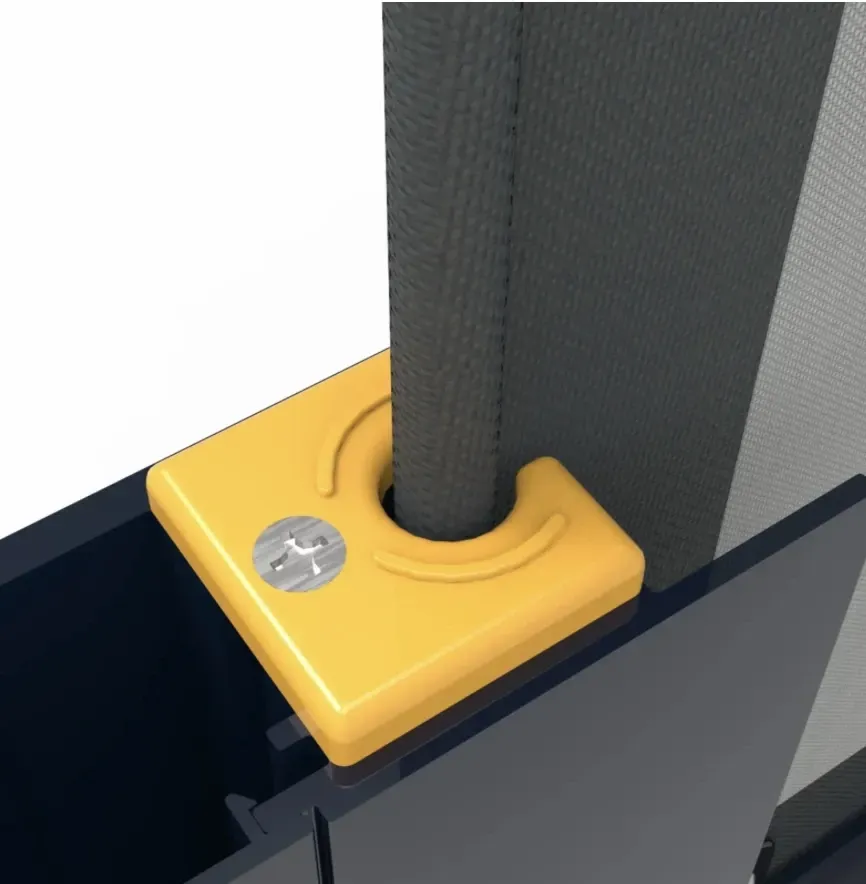
No Zipper. No Cable. Just Simple Deployment
One-Track pioneered Keder-edge technology in motorized screens, delivering unmatched durability and simplicity. Borrowed from sailboat rigging, this system eliminates zippers, cables, and exposed hardware—ensuring smooth, reliable operation every time.
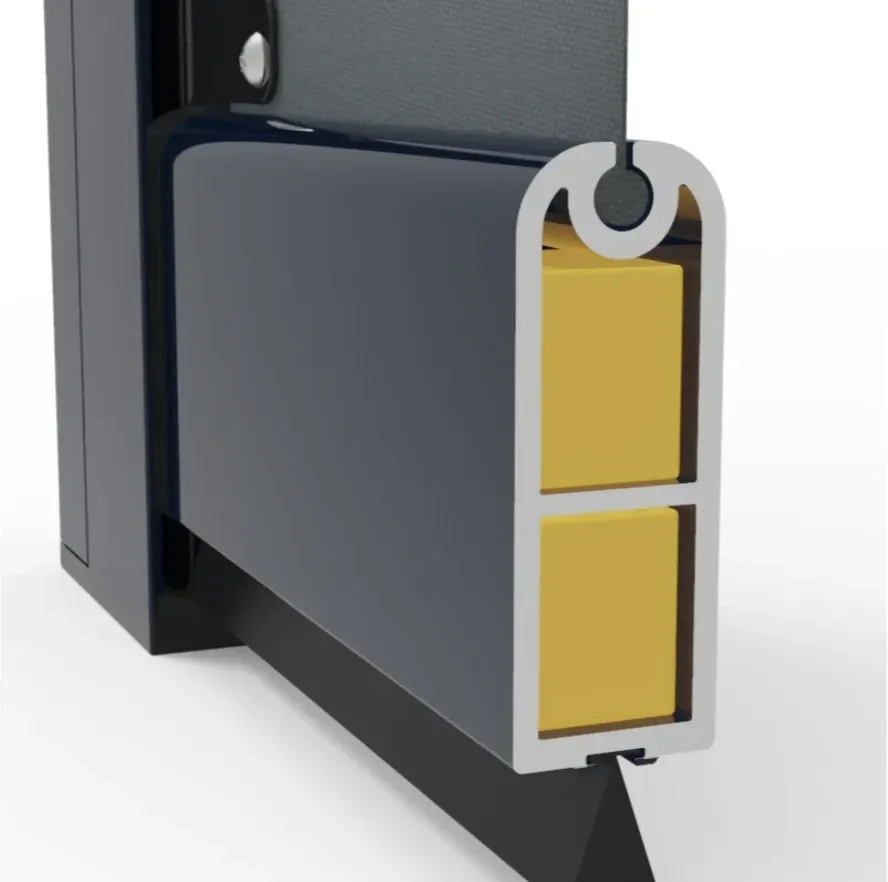
Heavy Duty
The One-Track weight bar is engineered for strength—and built to hold its ground. Pound for pound, it’s the heaviest and most robust weight bar in the industry. This ensures proper screen tension, flawless deployment, and maximum stability in high wind —limited flex, no failure.
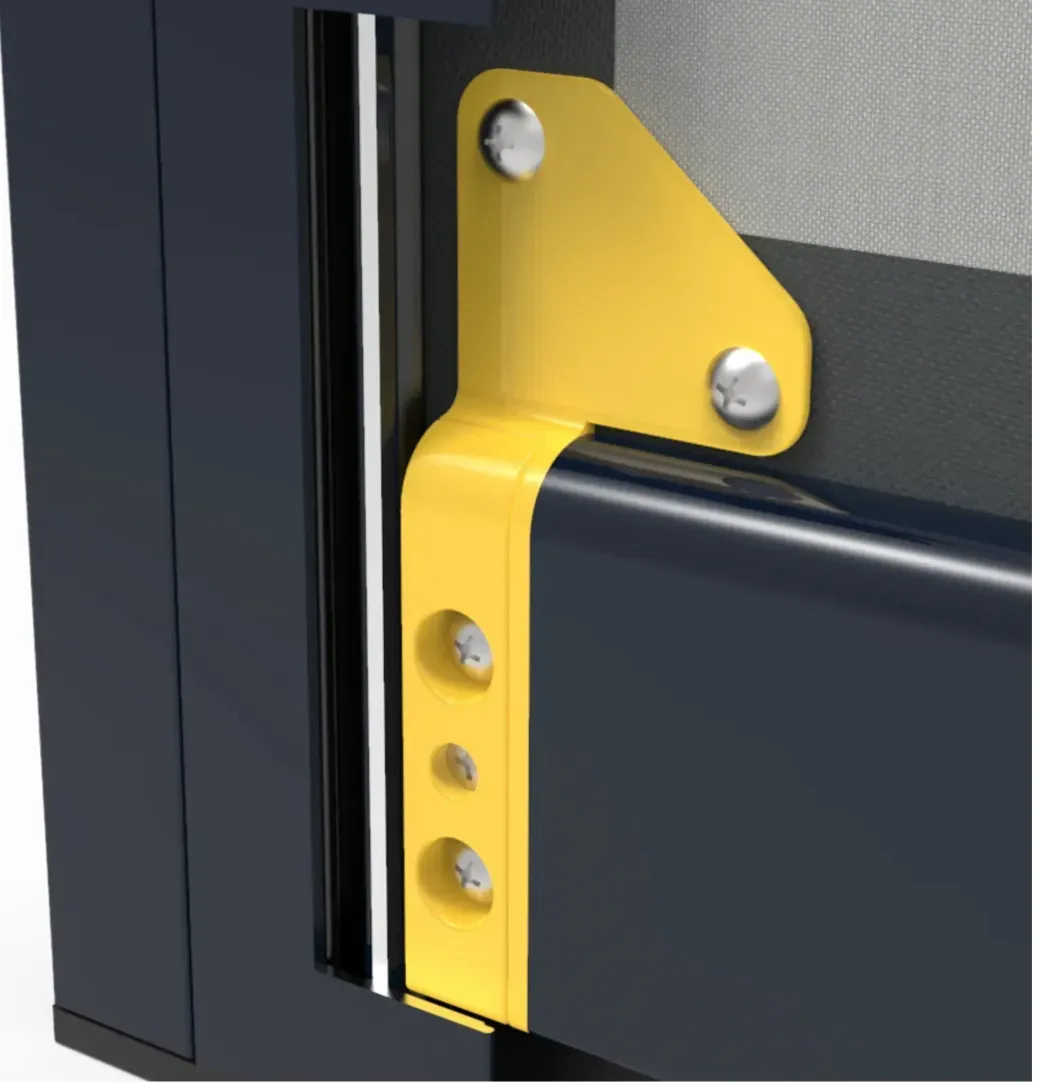
Reinforced Corners
One-Track’s heavy-duty weight bar isn’t just strong. It’s smart. Reinforced corners and integrated tie-ins create a unified structure that acts like a solid wall of protection when deployed. Made from high-strength nylon, this bar absorbs impacts while maintaining structural integrity.

HEADACHE-FREE
Exclusive self-tensioning system eliminates 99.9% of screen issues. No track adjustments, broken zippers,or dislodged screens.

LIFETIME WARRANTY
No other company can stand behind their products like One-Track can because no other company can match our quality.

CUSTOM-MADE SCREENS
Tailor-made screens with vast color, fabric, and system options. Custom paint color and fabric matching are available.

BUILT TO LAST
We use marine-grade materials such as powder-coated aluminum, UV-protected nylons, stainless steel fasteners, and premium fabrics. Resists corrosion, rust, and screen failure.

COST-SAVING
Exterior shade screens reduce cooling bills and protect against skin and furniture Damage caused by excessive UV Rays.

SMART CONTROLS
Control One-Track screens via remote and phone or integrate with popular home automation systems for advanced capabilities.

MAX CORROSION PROTECTION
Powder Coated Aluminum Protects your investment from exposure and corrosion.

HEAVY-DUTY DESIGN
Our screens are designed to withstand Mother Nature's daily abuse. High wind, rain, or shine, dust dirt, dander, it doesn't matter. One-Track covers it all.
ONE-TRACK THE #1 MOTORIZED INSECT AND SHADE SCREEN
Contact A+ Certified One-Track Screen Dealer Today...
ONE-TRACK
Ready For Life's Storms
LOCK TIGHT - KEDER TECHNOLOGY
Good bye Zipper Track System
When others relied on outdated zipper systems, One-Track pioneered a breakthrough. Our Lock Tight Keder technology transformed the industry by delivering what zippers couldn't: unmatched strength, flawless operation, and built-to-last reliability.
Years of proven performance speak for themselves. Lock Tight Keder provides superior wind resistance, effortless functionality, and the durability you need for long-term peace of mind.
Lock Tight Side Retention
Prevent Screen Hangups
Prevent Jams
Prevent Snaggs
Prevent Rewraps
ONE-TRACK THE #1 MOTORIZED MOTORIZED INSECT AND SHADE SCREEN
Contact A+ Certified One-Track Screen Dealer Today...
THE ONE-TRACK DIFFERENCE
Eliminates All Services Call, Fix Track and Zippers Systems
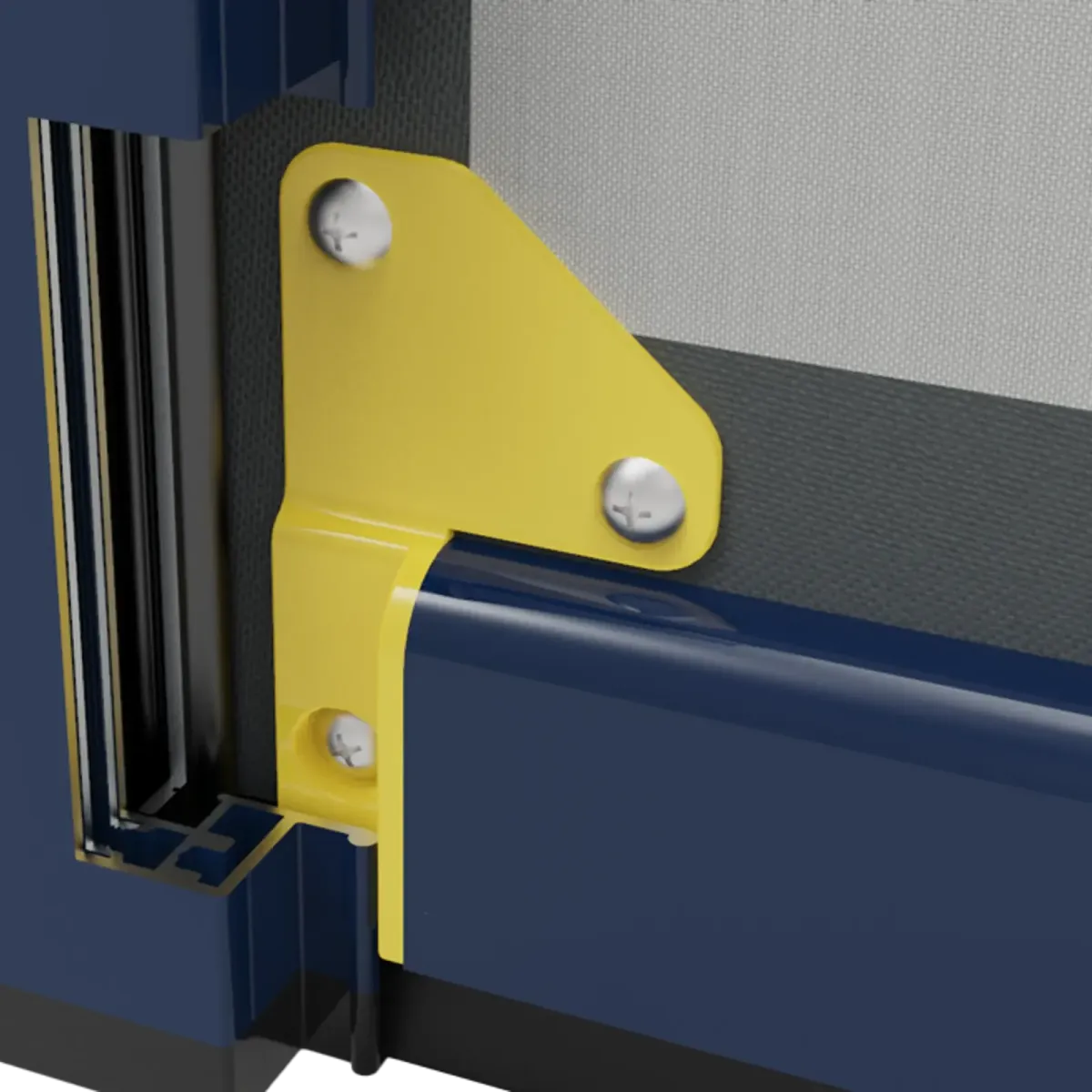
Recognizing that screen wear is most prominent at the corner where the weight bar and screen meet, One-Track engineers designed a robust and flexible guide made of toughened nylon. This innovative design reinforces the corner connection, extending the screen's lifespan,
.
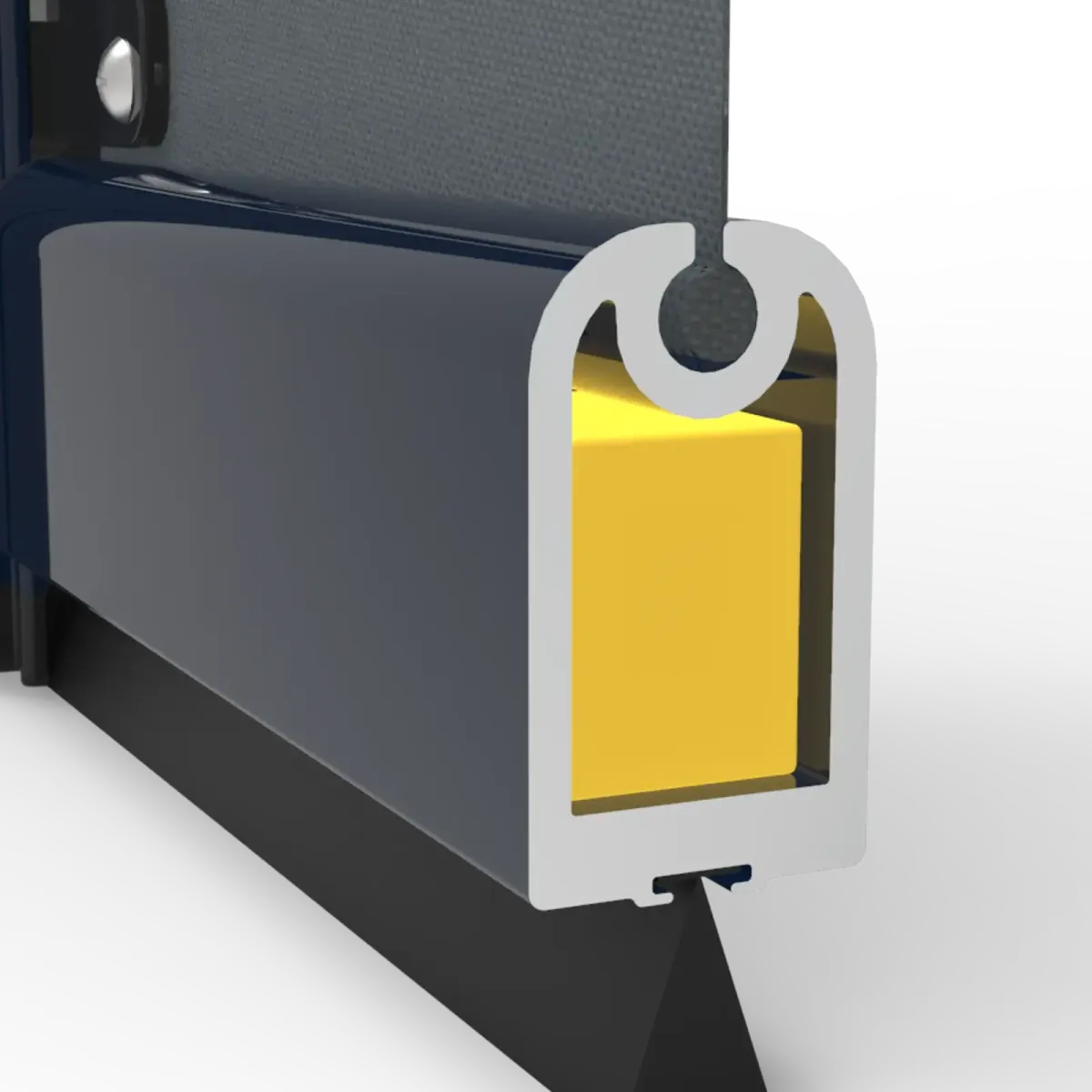
One-Track offers a well-engineered, low-profile standard weight bar suitable for installations in low-wind areas. When rolled up, it minimizes visibility in storage. For locations with higher wind exposure, a heavier-weight bar can be specified as needed.
.
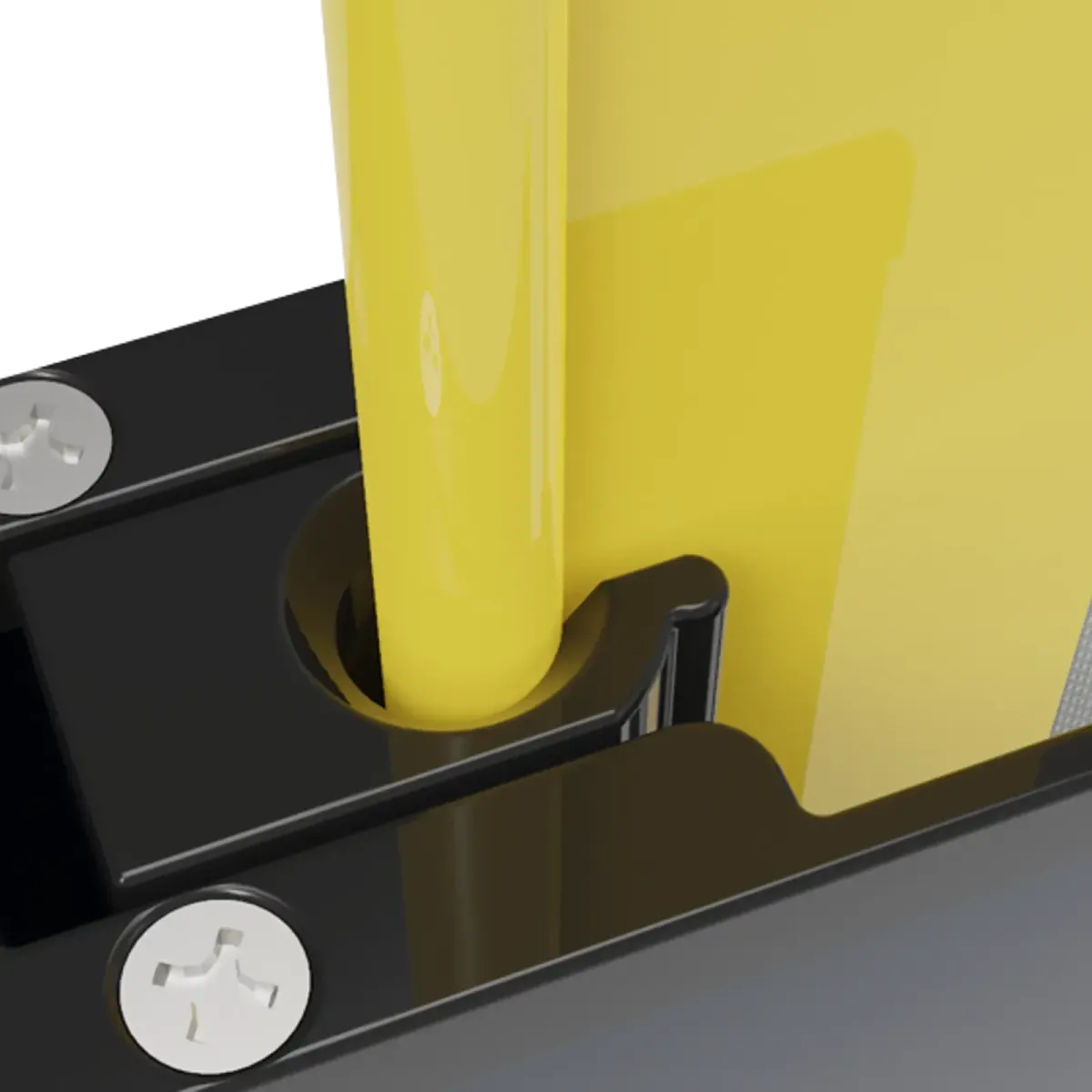
One-Track as the first to employ keder-edged screens, opted against zippers, known for potential issues. Keder's smooth, durable design avoids past failures.
.
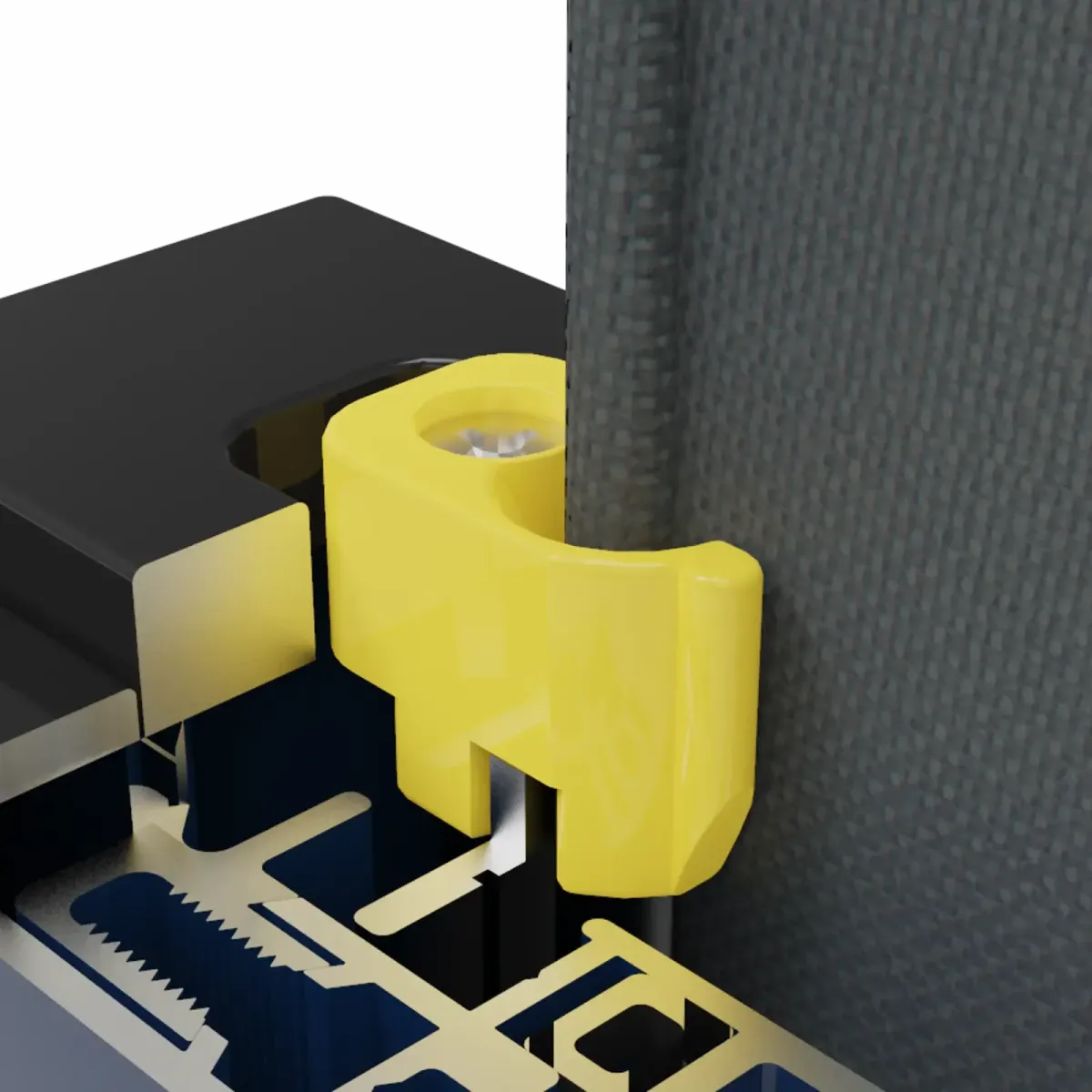
One-Track retractable screens are designed to never come out of their tracks. The screen pre-feeder facilitates a smooth transition from the reel to the side track. Smart motors instantly halt the downward motion of the screen, preventing it from dislodging from the tracks.
.
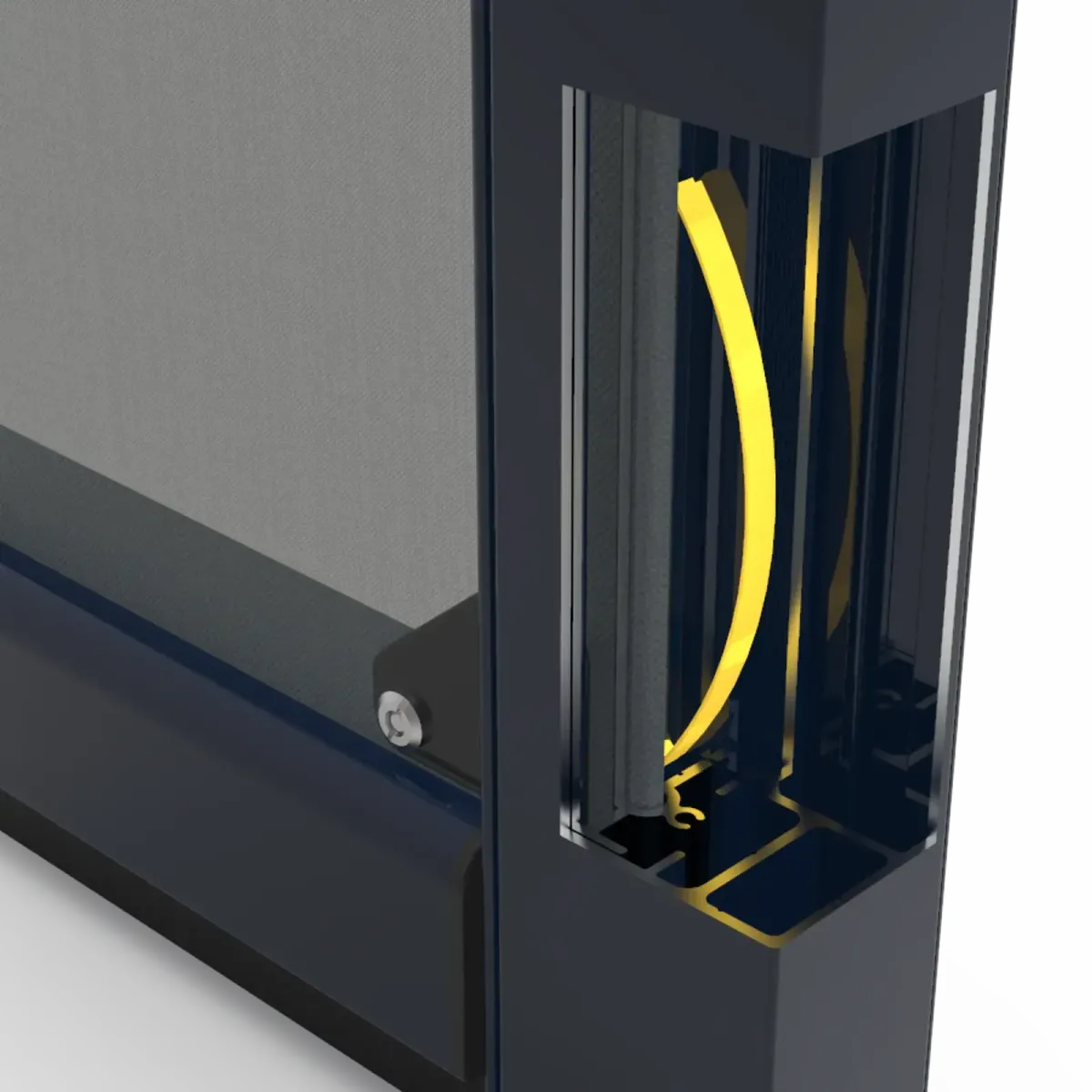
One-Track employs a unique spring-based tensioning system that ensures nearly silent operation of the screens. This technology prioritizes a quiet and comfortable outdoor experience. Think of it like shock absorbers in a car - It's the springs that give you a quiet, comfortable ride.
.
ONE-TRACK THE #1 MOTORIZED INSECT AND SHADE SCREENS
Contact A+ Certified One-Track Screen Dealer Today...
THE ONE-TRACK DIFFERENCE
One-Track Screen
AMERICAN INGENUITY
Made in the USA.
Proudly Made in the USA—every One-Track screen is built with American strength, precision, and pride. From the smallest components to the final assembly, our materials are sourced and manufactured right here in the United States. No outsourcing. No compromises. Just hardworking Americans protecting American homes with the toughest screen system on the market.
THE DESERT SOUTHWEST — SPRING CAMPAIGN
The March Decision: While Everyone Else Waits for the Heat to Remind Them
There's a particular kind of silence in the desert in March.
The snowbirds are still here, stretching their last weeks before the migration north. The mornings carry a crispness that feels almost impossible to reconcile with what's coming. The patios that will sit abandoned by June are full right now — dinner parties, Sunday brunches, that perfect 75-degree weather that makes real estate agents earn their commissions.
It's the best time of year in the Southwest. And it's exactly when nobody thinks about shade.
That's the trap.
Because right now, in this golden window when the desert feels like paradise, your patio works perfectly. The sun is friendly. The evenings are cool. The idea of needing protection from heat feels abstract, distant, almost silly. Why solve a problem that doesn't exist yet?
And then May arrives. Then June. Then the dashboard thermometer crosses 100 and keeps climbing, and suddenly everyone remembers. Everyone calls. Everyone wants shade screens installed now, immediately, yesterday — and discovers that "now" means a six-week backlog, a summer half-surrendered, and the bitter recognition that they should have acted when acting was easy.
The desert rewards those who think ahead. It punishes those who wait.
March beats to its own drum. The question is whether you're listening.
The Procrastination Tax
Every year, the pattern repeats with the reliability of the solstice.
March and April: quiet. Installers available. Schedules flexible. Decisions made over comfortable patio dinners, unhurried, thoughtful.
May and June: chaos. Phone lines jammed. Waitlists growing. Homeowners who delayed now competing for slots that filled weeks ago.
The same screens. The same installation. The same protection. But the experience of getting there? Entirely different.
You can plan in comfort. Or you can scramble in desperation. The screens don't care. Your summer does.
Call it the procrastination tax. The homeowners who wait until the heat reminds them pay it in stress, in delays, in weeks of suffering that could have been avoided. They pay it in rushed decisions made under pressure, in "whatever's available" instead of "exactly what I want." They pay it in the particular frustration of watching their patios bake while installation dates slide further into a summer that's already slipping away.
The homeowners who act in March? They pay nothing. They choose their screens deliberately. They schedule installations at their convenience. They watch May arrive with protection already in place, already tested, already proving its value while their neighbors are still on hold with contractors.
The desert teaches lessons about preparation. Water storage. Shade planning. The understanding that comfort in July requires decisions in March. The homeowners who've lived here longest know this instinctively. They stock up before monsoon season. They service AC units before the heat demands it. They think in seasons, not moments.
Your patio deserves the same foresight.
Schedule your spring consultation while availability is open →
The March Advantage
Right now, this week, this month — everything is easier.
Easier to evaluate. Easier to decide. Easier to install. Easier in every way that matters.
Consider what changes when you wait. In March, you can stand on your patio at 2 PM and think clearly about shade angles, about where the afternoon sun hits hardest, about which areas need protection and which can remain open. In June, standing on that same patio at 2 PM means surface temperatures approaching 150 degrees, metal railings you can't touch, and a brain focused entirely on getting back inside. The decision-making conditions aren't comparable.
In March, your contractor can work through midday installations without heat stress protocols, without mandatory cooling breaks, without the physical limitations that 115-degree workdays impose. The work happens faster. The quality stays higher. The scheduling stays predictable.
In March, the full range of options remains available. Every color. Every mesh density. Every configuration. By June, supply chains strain under demand spikes, and "exactly what you want" sometimes becomes "what we can get."
March gives you time. Time to research. Time to compare. Time to customize. Time to decide without the pressure of suffering through another week of heat while you deliberate.
The desert doesn't negotiate. But right now, while the weather is on your side, neither do you have to.
Explore the full range of customization options →
What 90% Shade Actually Means
The numbers sound abstract until you feel the difference.
Ninety percent solar blockage. That's what quality shade screens deliver. Nine out of every ten units of solar energy that would have reached you, your furniture, your surfaces — stopped before arrival. Intercepted. Redirected. Transformed from assault into ambiance.
In practical terms: a patio that registers 115°F in full Arizona sun drops to 90°F or lower under proper screening. That's not marginal. That's the difference between dangerous and comfortable. Between five minutes outside and an entire afternoon. Between exile and living.
The physics work the same in March as in July. The only difference is whether you experience them as theory or relief.
Picture yourself in late May. The first serious heat wave rolls through — that annual reminder that summer has arrived with its usual lack of subtlety. Your neighbors retreat inside, their patios abandoned to the punishment they'll endure until October. The outdoor kitchens that cost more than cars sit unused. The pool decks become sprint zones — quick dashes from air conditioning to water and back, because lingering means suffering.
But you? You're on your patio.
The screens you installed in April are doing exactly what the spec sheet promised. The shade softens the assault. The ceiling fans push the cooled air around. The space that would be uninhabitable is instead... pleasant. Comfortable. Yours.
Not fighting the desert. Just filtering it.
Your investment works because you made it before you needed it. Your comfort exists because you thought ahead. Your summer starts differently than everyone else's — not with suffering and scrambling, but with shade already in place, already proven, already paying dividends.
See how shade screens transform desert outdoor spaces →
Engineering That Earns Its Place
The desert doesn't forgive inferior products.
UV radiation at Phoenix's latitude and altitude degrades materials that perform fine in gentler climates. Temperature swings between 110-degree days and 75-degree nights stress every joint, every seal, every mechanism — thermal cycling that finds weaknesses and exploits them. Monsoon winds arrive with violence. Dust infiltrates everything. The climate is a test, and most products fail it.
One-Track passes.
The powder-coated aluminum frames handle temperature extremes without warping, without binding, without the failures that send homeowners back to the phone with their contractors. The UV-stabilized fabrics resist the degradation that turns cheaper materials brittle and useless within seasons. The colors stay true through years of desert exposure — not the faded, sun-bleached disappointment that cheaper screens become.
The Lock Tight Keder system matters here more than anywhere. Traditional screens rely on zippers — mechanisms that jam, that corrode, that fail precisely when you need them most. In the Southwest, where every component faces extraordinary stress, zipper failures aren't occasional annoyances. They're predictable breakdowns. One-Track eliminates them entirely. The precision-welded screen edge slides into an engineered track and locks. No teeth to misalign. No fabric to catch. No excuses.
Wind ratings matter during monsoon season. When haboobs roll in, when the sky turns orange with dust, when gusts hit 60 or 70 mph, One-Track screens hold their position. The Lock Tight system doesn't flap, doesn't rattle, doesn't release. The protection you deployed stays exactly where you put it until you decide otherwise.
This is engineering designed for the climate you actually live in — not the mild conditions that product specifications often assume.
Discover the technology behind One-Track's desert-proven performance →
The Summer You Choose
Close your eyes. Picture July.
Not this year's July as it would be — but this year's July as it could be.
The thermometer reads 112. The news cycles through heat warnings and record-breaking temperatures and the usual summer drama. Your neighbor's patio furniture is too hot to touch. Their outdoor kitchen sits silent, the expensive grill a monument to a season that won't really begin until October.
You're hosting dinner for twelve.
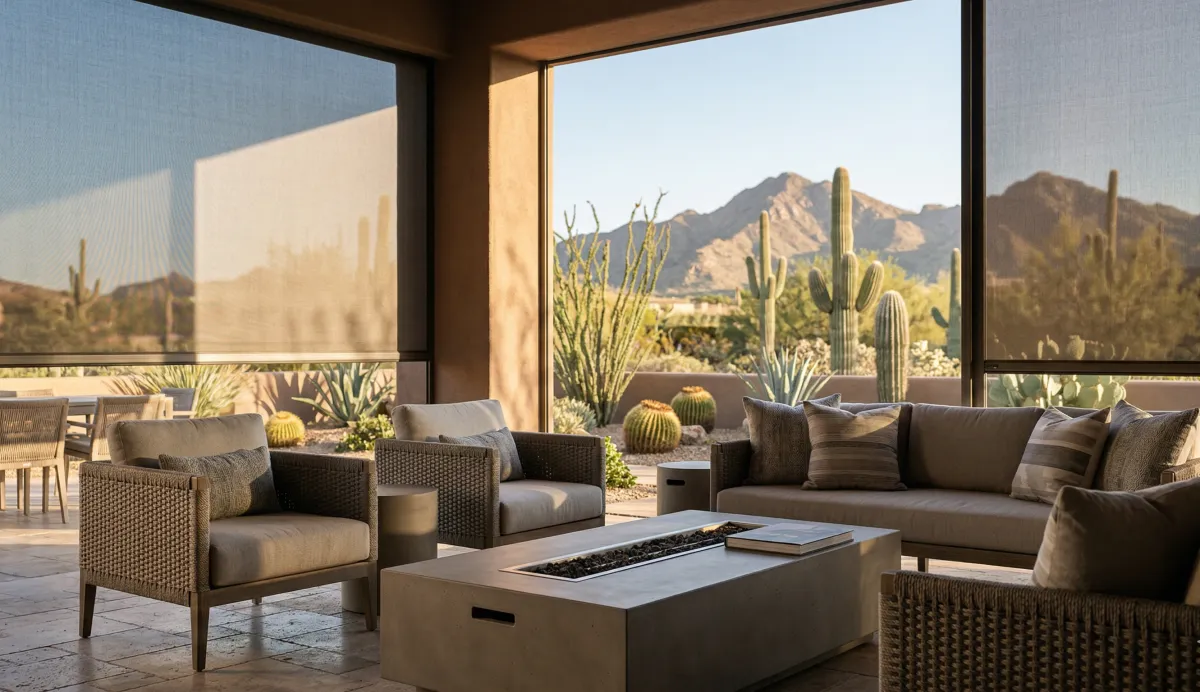
The screens descended hours ago. The outdoor space that would be punishing is instead protected — shaded, comfortable, alive with conversation and the smell of something good on the grill. The view beyond the screens shows the Sonoran Desert in its summer intensity, saguaros standing sentinel against a sky that's finally cooling toward sunset. You're part of the landscape, not hiding from it.
The pool gets used the way you imagined when you bought the house. Not as a quick dip punctuated by desperate sprints back to air conditioning, but as the centerpiece of a backyard that actually functions. The kids play outside. The adults linger over drinks. The evening extends past sunset because nothing is driving anyone in.
This is the summer you moved here for. The one the brochures promised. The one that seemed like fantasy during those brutal July weeks when the patio sat empty and the house felt like a bunker.
It's not fantasy. It's a decision you make in March.
Explore residential solutions for desert homes →
Smart Shade for Modern Living
The best protection is protection that thinks ahead — just like you.
One-Track's smart home integration means screens can deploy automatically based on temperature thresholds, time of day, or UV intensity. Before the morning sun crosses a dangerous angle, screens descend. Before the afternoon peak, protection maximizes. Before you even think about going outside, your patio has prepared itself.
Voice commands through Alexa and Google mean adjusting protection levels without leaving your comfortable seat — or your air-conditioned interior. Smartphone apps mean deploying screens before you arrive home, ensuring the patio is ready when you are. Scheduled automation means the screens handle the predictable patterns without any intervention from you.
The system learns your climate and responds accordingly. Pre-scheduled deployment for the hottest hours. Integration with weather services that anticipate conditions before they arrive. Technology that serves your living, not the other way around.
This is what modern outdoor living looks like in the desert. Not fighting the heat. Not hiding from it. Managing it — intelligently, automatically, on your terms.
Discover smart home integration options →
The Invitation
There's a window. It's open now. It closes faster than you think.
Right now, in these perfect March weeks, the decision is easy. The patio is pleasant. The contractors are available. The options are unlimited. The timeline is comfortable. Everything about this moment favors thoughtful action.
Wait until May, and the decision becomes harder. Wait until June, and it becomes desperate. Wait until you're suffering, and you'll join the chorus of homeowners who say the same thing every year: I should have done this months ago.
The desert has rhythms. The homeowners who thrive here learn to work with them, not against them. They prepare before the heat arrives. They build resilience before the monsoons test it. They make summer decisions in spring, when thinking clearly is still possible.
One-Track doesn't fight the desert. It doesn't pretend the heat is something other than what it is. It simply creates a threshold — shade and comfort on one side, the beautiful, brutal Southwest on the other. The view stays. The heat stops. The summer you imagined becomes the summer you live.
March beats to its own drum. The smart homeowners are listening.
Your summer starts with the decision you make now.
Find a One-Track dealer and schedule your spring consultation →

THE DESERT SOUTHWEST — SPRING CAMPAIGN
The March Decision: While Everyone Else Waits for the Heat to Remind Them
There's a particular kind of silence in the desert in March.
The snowbirds are still here, stretching their last weeks before the migration north. The mornings carry a crispness that feels almost impossible to reconcile with what's coming. The patios that will sit abandoned by June are full right now — dinner parties, Sunday brunches, that perfect 75-degree weather that makes real estate agents earn their commissions.
It's the best time of year in the Southwest. And it's exactly when nobody thinks about shade.
That's the trap.
Because right now, in this golden window when the desert feels like paradise, your patio works perfectly. The sun is friendly. The evenings are cool. The idea of needing protection from heat feels abstract, distant, almost silly. Why solve a problem that doesn't exist yet?
And then May arrives. Then June. Then the dashboard thermometer crosses 100 and keeps climbing, and suddenly everyone remembers. Everyone calls. Everyone wants shade screens installed now, immediately, yesterday — and discovers that "now" means a six-week backlog, a summer half-surrendered, and the bitter recognition that they should have acted when acting was easy.
The desert rewards those who think ahead. It punishes those who wait.
March beats to its own drum. The question is whether you're listening.
The Procrastination Tax
Every year, the pattern repeats with the reliability of the solstice.
March and April: quiet. Installers available. Schedules flexible. Decisions made over comfortable patio dinners, unhurried, thoughtful.
May and June: chaos. Phone lines jammed. Waitlists growing. Homeowners who delayed now competing for slots that filled weeks ago.
The same screens. The same installation. The same protection. But the experience of getting there? Entirely different.
You can plan in comfort. Or you can scramble in desperation. The screens don't care. Your summer does.
Call it the procrastination tax. The homeowners who wait until the heat reminds them pay it in stress, in delays, in weeks of suffering that could have been avoided. They pay it in rushed decisions made under pressure, in "whatever's available" instead of "exactly what I want." They pay it in the particular frustration of watching their patios bake while installation dates slide further into a summer that's already slipping away.
The homeowners who act in March? They pay nothing. They choose their screens deliberately. They schedule installations at their convenience. They watch May arrive with protection already in place, already tested, already proving its value while their neighbors are still on hold with contractors.
The desert teaches lessons about preparation. Water storage. Shade planning. The understanding that comfort in July requires decisions in March. The homeowners who've lived here longest know this instinctively. They stock up before monsoon season. They service AC units before the heat demands it. They think in seasons, not moments.
Your patio deserves the same foresight.
Schedule your spring consultation while availability is open →
The March Advantage
Right now, this week, this month — everything is easier.
Easier to evaluate. Easier to decide. Easier to install. Easier in every way that matters.
Consider what changes when you wait. In March, you can stand on your patio at 2 PM and think clearly about shade angles, about where the afternoon sun hits hardest, about which areas need protection and which can remain open. In June, standing on that same patio at 2 PM means surface temperatures approaching 150 degrees, metal railings you can't touch, and a brain focused entirely on getting back inside. The decision-making conditions aren't comparable.
In March, your contractor can work through midday installations without heat stress protocols, without mandatory cooling breaks, without the physical limitations that 115-degree workdays impose. The work happens faster. The quality stays higher. The scheduling stays predictable.
In March, the full range of options remains available. Every color. Every mesh density. Every configuration. By June, supply chains strain under demand spikes, and "exactly what you want" sometimes becomes "what we can get."
March gives you time. Time to research. Time to compare. Time to customize. Time to decide without the pressure of suffering through another week of heat while you deliberate.
The desert doesn't negotiate. But right now, while the weather is on your side, neither do you have to.
Explore the full range of customization options →
What 90% Shade Actually Means
The numbers sound abstract until you feel the difference.
Ninety percent solar blockage. That's what quality shade screens deliver. Nine out of every ten units of solar energy that would have reached you, your furniture, your surfaces — stopped before arrival. Intercepted. Redirected. Transformed from assault into ambiance.
In practical terms: a patio that registers 115°F in full Arizona sun drops to 90°F or lower under proper screening. That's not marginal. That's the difference between dangerous and comfortable. Between five minutes outside and an entire afternoon. Between exile and living.
The physics work the same in March as in July. The only difference is whether you experience them as theory or relief.
Picture yourself in late May. The first serious heat wave rolls through — that annual reminder that summer has arrived with its usual lack of subtlety. Your neighbors retreat inside, their patios abandoned to the punishment they'll endure until October. The outdoor kitchens that cost more than cars sit unused. The pool decks become sprint zones — quick dashes from air conditioning to water and back, because lingering means suffering.
But you? You're on your patio.
The screens you installed in April are doing exactly what the spec sheet promised. The shade softens the assault. The ceiling fans push the cooled air around. The space that would be uninhabitable is instead... pleasant. Comfortable. Yours.
Not fighting the desert. Just filtering it.
Your investment works because you made it before you needed it. Your comfort exists because you thought ahead. Your summer starts differently than everyone else's — not with suffering and scrambling, but with shade already in place, already proven, already paying dividends.
See how shade screens transform desert outdoor spaces →
Engineering That Earns Its Place
The desert doesn't forgive inferior products.
UV radiation at Phoenix's latitude and altitude degrades materials that perform fine in gentler climates. Temperature swings between 110-degree days and 75-degree nights stress every joint, every seal, every mechanism — thermal cycling that finds weaknesses and exploits them. Monsoon winds arrive with violence. Dust infiltrates everything. The climate is a test, and most products fail it.
One-Track passes.
The powder-coated aluminum frames handle temperature extremes without warping, without binding, without the failures that send homeowners back to the phone with their contractors. The UV-stabilized fabrics resist the degradation that turns cheaper materials brittle and useless within seasons. The colors stay true through years of desert exposure — not the faded, sun-bleached disappointment that cheaper screens become.
The Lock Tight Keder system matters here more than anywhere. Traditional screens rely on zippers — mechanisms that jam, that corrode, that fail precisely when you need them most. In the Southwest, where every component faces extraordinary stress, zipper failures aren't occasional annoyances. They're predictable breakdowns. One-Track eliminates them entirely. The precision-welded screen edge slides into an engineered track and locks. No teeth to misalign. No fabric to catch. No excuses.
Wind ratings matter during monsoon season. When haboobs roll in, when the sky turns orange with dust, when gusts hit 60 or 70 mph, One-Track screens hold their position. The Lock Tight system doesn't flap, doesn't rattle, doesn't release. The protection you deployed stays exactly where you put it until you decide otherwise.
This is engineering designed for the climate you actually live in — not the mild conditions that product specifications often assume.
Discover the technology behind One-Track's desert-proven performance →
The Summer You Choose
Close your eyes. Picture July.
Not this year's July as it would be — but this year's July as it could be.
The thermometer reads 112. The news cycles through heat warnings and record-breaking temperatures and the usual summer drama. Your neighbor's patio furniture is too hot to touch. Their outdoor kitchen sits silent, the expensive grill a monument to a season that won't really begin until October.
You're hosting dinner for twelve.
The screens descended hours ago. The outdoor space that would be punishing is instead protected — shaded, comfortable, alive with conversation and the smell of something good on the grill. The view beyond the screens shows the Sonoran Desert in its summer intensity, saguaros standing sentinel against a sky that's finally cooling toward sunset. You're part of the landscape, not hiding from it.
The pool gets used the way you imagined when you bought the house. Not as a quick dip punctuated by desperate sprints back to air conditioning, but as the centerpiece of a backyard that actually functions. The kids play outside. The adults linger over drinks. The evening extends past sunset because nothing is driving anyone in.
This is the summer you moved here for. The one the brochures promised. The one that seemed like fantasy during those brutal July weeks when the patio sat empty and the house felt like a bunker.
It's not fantasy. It's a decision you make in March.
Explore residential solutions for desert homes →
Smart Shade for Modern Living
The best protection is protection that thinks ahead — just like you.
One-Track's smart home integration means screens can deploy automatically based on temperature thresholds, time of day, or UV intensity. Before the morning sun crosses a dangerous angle, screens descend. Before the afternoon peak, protection maximizes. Before you even think about going outside, your patio has prepared itself.
Voice commands through Alexa and Google mean adjusting protection levels without leaving your comfortable seat — or your air-conditioned interior. Smartphone apps mean deploying screens before you arrive home, ensuring the patio is ready when you are. Scheduled automation means the screens handle the predictable patterns without any intervention from you.
The system learns your climate and responds accordingly. Pre-scheduled deployment for the hottest hours. Integration with weather services that anticipate conditions before they arrive. Technology that serves your living, not the other way around.
This is what modern outdoor living looks like in the desert. Not fighting the heat. Not hiding from it. Managing it — intelligently, automatically, on your terms.
Discover smart home integration options →
The Invitation
There's a window. It's open now. It closes faster than you think.
Right now, in these perfect March weeks, the decision is easy. The patio is pleasant. The contractors are available. The options are unlimited. The timeline is comfortable. Everything about this moment favors thoughtful action.
Wait until May, and the decision becomes harder. Wait until June, and it becomes desperate. Wait until you're suffering, and you'll join the chorus of homeowners who say the same thing every year: I should have done this months ago.
The desert has rhythms. The homeowners who thrive here learn to work with them, not against them. They prepare before the heat arrives. They build resilience before the monsoons test it. They make summer decisions in spring, when thinking clearly is still possible.
One-Track doesn't fight the desert. It doesn't pretend the heat is something other than what it is. It simply creates a threshold — shade and comfort on one side, the beautiful, brutal Southwest on the other. The view stays. The heat stops. The summer you imagined becomes the summer you live.
March beats to its own drum. The smart homeowners are listening.
Your summer starts with the decision you make now.
Find a One-Track dealer and schedule your spring consultation →

COMPANY
QUICK LINKS
LEGAL
FOLLOW US


© 2026 One-Track | A Fenetex Corporation Product. All Rights Reserved